
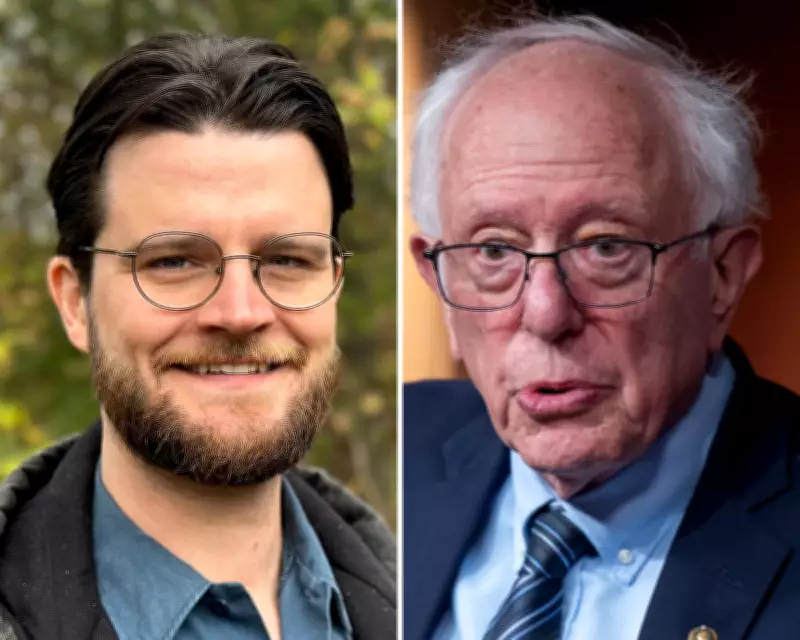
Prominent environmental organizer Will Lawrence, who is calling for a nationwide moratorium on datacenters as he runs for the Democratic nomination in a swing Michigan congressional district, has secured an endorsement from Bernie Sanders.
Background on Will Lawrence
Lawrence, co-founder of the youth-led Sunrise Movement climate justice group, was a key figure behind the campaign for a Green New Deal to battle economic and racial injustice while also fighting climate change. Now he is running for US Congress in a three-way Democratic primary to represent the party in Michigan's purple seventh district.
“I learned at Sunrise just how important it is who is in office,” Lawrence, a Lansing native, said. The group made headlines in 2018 when it stormed the office of then House of Representatives speaker Nancy Pelosi, demanding a swift end to fossil fuels and a jobs guarantee.
The Political Landscape
Voters in Michigan's seventh district voted for Donald Trump in the 2016, 2020 and 2024 US presidential elections, and also elected Republican Tom Barrett to Congress in 2024. However, the district has been labelled a “toss-up” by the Cook Political Report ahead of November's midterm elections, and is a key target for Democrats.
On Thursday morning, Sanders, the influential independent US senator from Vermont, threw his support behind Lawrence. In a statement, Sanders praised Lawrence as an “accomplished organizer” who will “demand real accountability for big tech and AI companies” as gargantuan datacenters are constructed across the US.
“Will is running an energizing, people-powered campaign and building a strong grassroots coalition that is prepared to stand up to Big Money interests,” Sanders said. “Will is exactly the kind of leader we need in Congress, and I'm proud to support his campaign.”
Lawrence's Platform and Opposition
Lawrence, who has also been endorsed by progressive Michigan congresswoman Rashida Tlaib, has been shown as the primary frontrunner by some polls. In the seventh district, which covers a southern-central swath of Michigan that includes Lansing, the state's capital, three hyperscaler-size AI datacenters are proposed; another was recently struck down by Lansing's city council.
Lawrence has endorsed Sanders's call for a national moratorium on AI datacenters until lawmakers develop stringent regulations. In his district, he also has stood alongside residents in his home town, Lansing, and elsewhere to rally against the proposals. This comes amid a broader pushback against datacenters from progressive climate champions, as they push to recast climate and environmental policies as populist pocketbook issues.
The problems with datacenters are myriad, according to Lawrence: they fuel AI, which threatens many American jobs; consume water; and can push up utility bills due to their huge electricity needs. An overwhelming majority of proposed US datacenters would also be powered by planet-warming gas. “It's a form of climate denial, it really is, if you think that we're going to be able to bring all this natural gas online and it's not going to have a devastating impact on Michigan's climate,” said Lawrence.
Reactions from Opponents
Barrett, the incumbent Republican congressperson, does not support a national datacenter moratorium. Neither of Lawrence's two Democratic primary opponents – Bridget Brink and Matt Maasdam – have thrown their backing behind a temporary ban, either.
“Whether a community chooses to have datacenters is up to those communities. The federal government should not tell local officials what businesses they can or cannot not have,” Jason Cabel Roe, consultant for Barrett's campaign, told the Guardian. “Congressman Barrett believes local communities and their elected officials are best equipped to make those decisions.”
A spokesperson for Brink, former ambassador to Slovakia, who has won the backing of Emily's List, the group that backs female candidates who support abortion rights, said she also believes that “local communities should hold the decision making power on building datacenters, with transparency and accountability from corporations and government officials”.
“Any datacenter project should insure hard-working Michigan families won't pay higher utility rates, datacenters don't strain our grid and rely on their own clean energy power and utility infrastructure, communities aren't hurt, and our environment is protected,” the spokesperson said.
Maasdam, who served as Barack Obama's military aide, did not respond to a request for comment. His campaign website says he would “make sure Michigan families are at the forefront of the AI safety conversation, protecting kids from harmful content and keeping their data and privacy secure”.
Broader Implications
While Lawrence said he had heard from Democratic and Republican Michiganders alike who are concerned about AI infrastructure expansion, some state labor unions and local officials have supported datacenter proposals in the region, seeking jobs and investment. He was “sympathetic to their concerns”, he said, but feels datacenters are a “raw deal”.
“These big tech billionaires want us to be desperate, they want us to have no development opportunities, except for these very massive datacenters that very few people want … and that threaten employment with AI in the longer term,” said Lawrence, who argued that too many elected Republicans and Democrats have been taking money from Silicon Valley, Wall Street and big oil giants.
Barrett has taken funding from political action committees tied to energy company DTE Energy and other private entities, Lawrence noted, accusing the Republican of doing “nothing but follow orders from these corporate donors and from President Trump”.
Roe, Barrett's campaign consultant, said: “Mr Lawrence might not like it, but the voters of the 7th District voted for President Trump, not Kamala Harris. They also voted by an even larger margin for Congressman Barrett.”
But Brink and Maasdam have also taken funding from big tech investors, Lawrence noted, including ones investing in datacenters. Sam Boorstyn, Brink's campaign manager, said she was “not going to stand for cynical smears from Donald Trump or her political opponents”, but did not directly respond to a question about Brink's corporate donors.
AI is at the heart of the race to represent this tight congressional district. “Datacenters put a tremendous, unprecedented and unexpected burden on the grid to increase overall demand,” said Lawrence. “And there's just no plan to do that in a clean way.”




