Vance Issues Stern Warning to Iran as High-Stakes Islamabad Peace Talks Approach
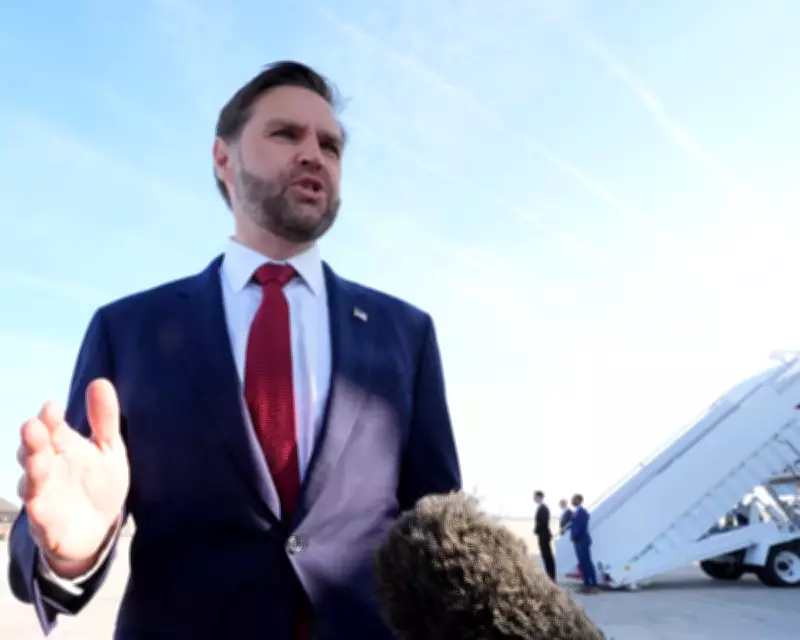
US Vice-President JD Vance delivered a firm caution to Iran on Friday, urging the nation not to "try and play" the United States during pivotal peace negotiations scheduled for Saturday in Islamabad. Vance made these remarks as he departed from Joint Base Andrews near Washington DC, en route to Pakistan for discussions that could determine whether a fragile ceasefire holds or conflict resumes with severe global economic repercussions.
Iran Sets Preconditions as Doubts Loom Over Negotiations
With mere hours remaining before the planned talks, significant uncertainty persists regarding whether they will proceed as scheduled. Iran's parliamentary speaker and delegation co-leader, Mohammad Bagher Ghalibaf, stated unequivocally on social media platform X that Tehran requires two conditions before negotiations commence: a verified ceasefire in Lebanon and the release of Iran's blocked assets. "These two matters must be fulfilled before negotiations begin," Ghalibaf declared.
It remains unclear whether Ghalibaf and Iran's Foreign Minister Abbas Araghchi will travel to Islamabad to lead their delegation. Reports from last month indicated Israel had removed both officials from its bombing target list following a request from Washington.

Trump's Bellicose Rhetoric Adds to Tensions
Former President Donald Trump amplified the already tense atmosphere by asserting that US forces were "reloading" with superior weaponry and stood ready to resume attacks should negotiations falter. "If we don't have a deal, we will be using them, and we will be using them very effectively," Trump told the New York Post. He later added on his social media platform that Iran "doesn't seem to realize they have no cards" beyond temporary disruption of international waterways.
Disputed Ceasefire Terms and Continuing Violence
A fundamental disagreement exists regarding the terms of the two-week ceasefire agreement established on April 7th. While Iranian and Pakistani mediators maintain the accord included Lebanon, both Trump and Israeli Prime Minister Benjamin Netanyahu dispute this interpretation. Israel has continued its bombing campaign in Lebanon targeting Hezbollah, Iran's principal regional ally, despite Netanyahu expressing willingness to engage in peace talks with the Lebanese government.
The human cost has been devastating, with over 300 Lebanese citizens killed by Israeli airstrikes since the ceasefire purportedly began. Lebanese President Joseph Aoun confirmed on Friday that 13 state security personnel perished in an Israeli strike on a government building in Nabatieh.
Economic Stakes and Negotiation Agenda
The economic implications are profound, with oil prices spiking following the US-Israeli attack on Iran on February 28th and Tehran's subsequent closure of the Strait of Hormuz to oil tankers. This disruption threatens approximately one-fifth of global oil and liquefied fossil gas supplies, creating political vulnerability for the US administration ahead of November congressional elections.
The Islamabad negotiations are expected to address multiple critical issues:
- Reopening of the Strait of Hormuz to international shipping
- Future of Iran's nuclear development program
- Potential sanctions relief for Tehran
- Iranian demands for war reparations
- Release of American detainees held in Iran
Logistical Preparations and Regional Dynamics
Advance teams from both the United States and Iran reportedly secured accommodations at Islamabad's five-star Serena Hotel on Friday, with Pakistani officials facilitating communication between the adversarial camps. Representatives from Saudi Arabia and other Gulf nations also arrived to safeguard their regional interests.
Pakistani authorities implemented extraordinary security measures, establishing a 2-mile perimeter around the hotel, locking down the city center, and declaring a public holiday for this unprecedented diplomatic undertaking.

Parallel Lebanese-Israeli Talks Announced
In a related development, Lebanon and Israel agreed to meet in Washington DC on Tuesday to discuss ceasefire terms and establish a timeline for formal negotiations. This conversation will be mediated by the United States at the State Department, involving Lebanon's Ambassador to the US Nada Hamadeh Mouawad, Israel's Ambassador Yehiel Leiter, and US Ambassador to Lebanon Michael Issa.
Hezbollah's Defiant Posture
Hezbollah leadership maintained a characteristically defiant stance despite news of direct Lebanese-Israeli negotiations. The group's deputy leader, Naim Qassem, issued a statement urging Lebanese authorities to "cease making gratuitous concessions" while vowing to continue fighting to "expel the occupier."
Fighting persisted in southern Lebanon throughout Friday, with Hezbollah claiming attacks on Israeli soldiers near Bint Jbeil—a town of historical significance where the group repelled Israeli forces during the 2006 conflict. Israel conducted airstrikes across Lebanon, resulting in the deadliest single attack on Lebanese security forces thus far.
Vance's Cautious Optimism Amidst Uncertainty
Despite the complex challenges, Vice-President Vance projected measured optimism before departing Washington. "We're looking forward to the negotiation. I think it's going to be positive," he stated. "If the Iranians are willing to negotiate in good faith, we're certainly willing to extend the open hand."
However, he appended a clear warning: "If they're going to try and play us, then they're going to find that the negotiating team is not that receptive." The US delegation is expected to include Trump's international negotiator Steve Witkoff and presidential son-in-law Jared Kushner, both veterans of previous discussions with Iranian officials focused on nuclear and missile programs.
The diplomatic efforts occur against a backdrop of continued violence and profound geopolitical stakes, with the outcome potentially reshaping Middle Eastern dynamics and global economic stability for years to come.