
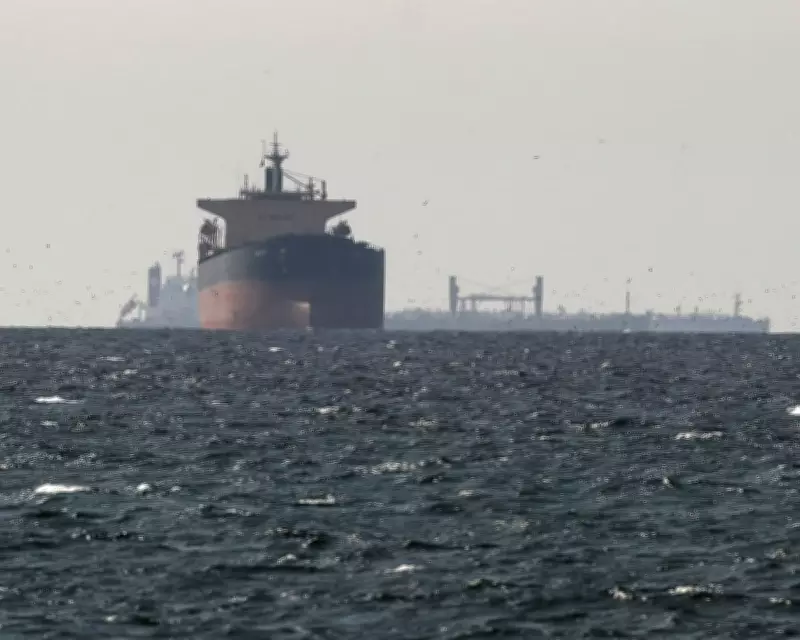
Gulf Region Stuck Between War and Peace as Ceasefire Nears Expiration
The strategic waters of the Gulf near the Strait of Hormuz remain a tense backdrop as tankers continue their voyages, while diplomatic efforts between the United States and Iran reach a critical juncture. The current two-week ceasefire agreement is set to expire in less than forty-eight hours, creating an atmosphere of uncertainty that has global implications.
Diplomatic Moves and Mixed Signals
US Vice-President JD Vance is reportedly prepared to lead a diplomatic delegation to Islamabad today, contingent upon Iran's agreement to participate in further talks aimed at resolving the ongoing conflict. Tehran has provided conflicting indications about their willingness to engage in these discussions, leaving the diplomatic landscape unclear as the deadline approaches.
Patrick Wintour, diplomatic editor for the Guardian, emphasizes the precarious nature of the current situation. "The Gulf is essentially suspended between the possibilities of lasting peace and renewed conflict," he explains. "Both outcomes feel equally plausible at this moment."
Core Issues Blocking Resolution
According to diplomatic analysis, two primary obstacles stand in the way of a permanent resolution. The first involves the longstanding nuclear dispute, specifically concerning Iran's stockpile of highly enriched uranium and the country's right to maintain enrichment capabilities on its own soil. Current estimates suggest Iran possesses approximately 440 kilograms of uranium enriched to about 60% purity.
The second major issue revolves around control and access to the strategically vital Strait of Hormuz. Questions persist about whether Iran might demand tolls or permissions for vessels passing through these crucial shipping lanes, which handle approximately one-fifth of the world's oil supply.
Escalating Rhetoric and Real Dangers
Former President Donald Trump has recently intensified his rhetoric, threatening to destroy civilian infrastructure in Iran unless Tehran concedes to American demands regarding its nuclear program and the reopening of the Strait of Hormuz. Such threats have been condemned by many experts as potential war crimes.
"The American rhetoric has become both repulsive and dangerous," Wintour observes. "Its apocalyptic nature risks creating a false sense of security, when in reality the potential for catastrophic escalation remains significant."
Iranian officials have responded with their own warnings. Mohammad Bagher Ghalibaf, Iran's parliamentary speaker and potential delegation head for any talks, stated that his country would not negotiate under threat while simultaneously hinting at "new cards on the battlefield."
Potential Consequences of Escalation
The risks extend far beyond regional conflict. Experts warn that attacks on critical infrastructure could have devastating global consequences. Iranian retaliation might target desalination plants essential to Gulf states' water supplies, potentially creating humanitarian crises within days.
Furthermore, the ongoing disruption to fertilizer supplies from the region threatens to exacerbate global food shortages, potentially triggering widespread hunger crises. Despite these dangers, financial markets have shown surprising resilience, possibly underestimating the severity of potential escalation.
Pathway to Peace Remains Possible
Despite the current tensions, diplomatic experts suggest that a lasting resolution remains achievable. A potential agreement could involve allowing Iran to maintain a civilian nuclear program while providing economic incentives through sanctions relief as de-escalation occurs.
"The situation is actually quite manageable through proper diplomatic channels," Wintour suggests. "Iranian leadership would likely respond positively to a shift toward engagement and economic cooperation rather than continued confrontation."
As the ceasefire deadline approaches, Pakistan has reportedly been preparing since Sunday to potentially host renewed talks between the conflicting parties. The international community watches closely, aware that the coming hours could determine whether the region moves toward lasting peace or renewed conflict with global repercussions.




