
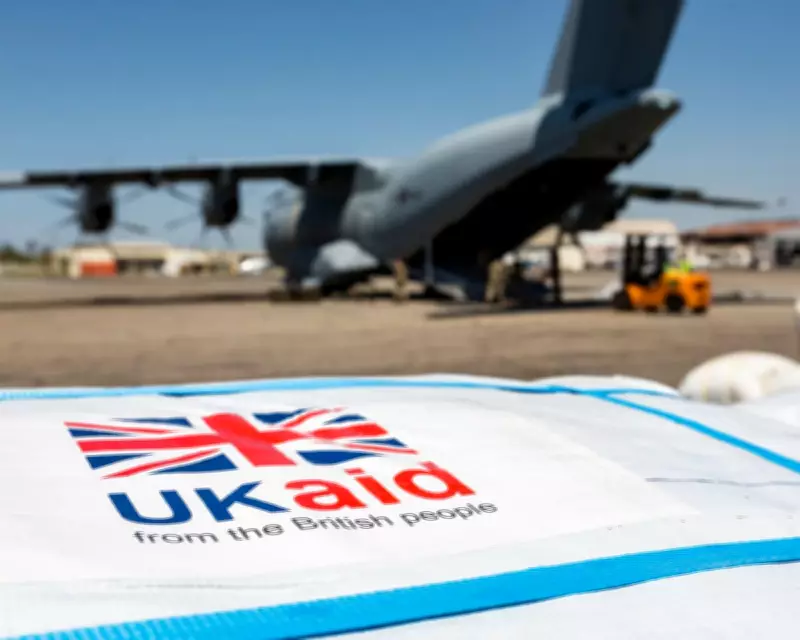
UK Foreign Aid Spending Plummets to Lowest Level in Nearly Two Decades
The United Kingdom's spending on foreign aid has reached its lowest point since 2008, according to newly released provisional data that reveals a significant reduction in international development assistance. The government allocated just 0.43% of national income to official development assistance (ODA) in 2025, representing a substantial decrease from the 0.5% allocated in 2024 and matching levels not seen since the global financial crisis era.
Steep Decline in Humanitarian Funding
The total ODA spend for 2025 amounted to slightly over £13 billion, marking an annual decrease of £1 billion or 7.4% from previous allocations. When excluding the temporary reductions during the COVID-19 crisis years of 2021 and 2022, this represents the lowest aid allocation since 2015, when approximately £12 billion was designated for international assistance. Notably, that 2015 figure represented 0.7% of national income, highlighting the dramatic shift in spending priorities over the past decade.
Gideon Rabinowitz, director of policy and advocacy at Bond, a prominent UK network of international development organizations, expressed grave concerns about the consequences of these cuts. "Severe damage has already been done by aid reductions, which are projected to be the most substantial among all G7 nations in the coming year," Rabinowitz stated emphatically.
Humanitarian Programs Forced to Close
Rabinowitz detailed specific impacts: "Life-saving humanitarian initiatives, including educational programs in Syria and healthcare services across various African nations, have already been compelled to cease operations. With even more profound cuts scheduled for implementation this year and next, the most devastating consequences have yet to materialize. What remains unequivocally clear is that marginalized communities, particularly throughout Africa, will continue bearing the heaviest burden of these political decisions."
The policy director acknowledged the importance of adequate support for refugees and asylum seekers within the UK but emphasized that "these funds must originate from the Home Office's dedicated budget rather than being diverted from resources intended for humanitarian assistance in the world's lowest-income countries."
Global Implications and International Response
The Organisation for Economic Cooperation and Development (OECD), comprising high-income nations, reported that a projected 9% to 17% decline in ODA among its members for 2025 has been primarily driven by decisions made by major providers like the United Kingdom. The organization warned that this troubling trend "would disproportionately affect the poorest nations most severely."
In 2025, the UK allocated £2.4 billion toward support for refugees and asylum seekers within its borders, constituting 18% of the total aid budget. This represented a reduction from the £2.8 million allocated in 2024, further illustrating the tightening of humanitarian resources.
Government Defense and Policy Shifts
The government announced in February its intention to reduce ODA spending to 0.3% by 2027 to finance increased defense expenditures, while simultaneously pledging to restore international aid to 0.7% of national income once fiscal conditions permit. Campaigners and aid organizations have strongly criticized this strategic shift, arguing it will cause extensive damage and diminish the UK's international influence.
Foreign Secretary Yvette Cooper confirmed adjustments to ODA allocations last month, asserting that Britain would maintain its position as a "major player" in overseas aid and development despite redirecting funding toward defense priorities. She clarified that the UK would transition toward becoming an "investor" rather than merely a "donor," providing technical expertise and support alongside financial contributions.
The government has prioritized assistance to conflict-ravaged nations, including humanitarian support to Ukraine, Gaza, Lebanon, and Sudan. However, humanitarian experts maintain that these measures cannot compensate for the broader reduction in development assistance, which they argue leaves vulnerable populations increasingly exposed to disease, conflict, and humanitarian crises worldwide.




