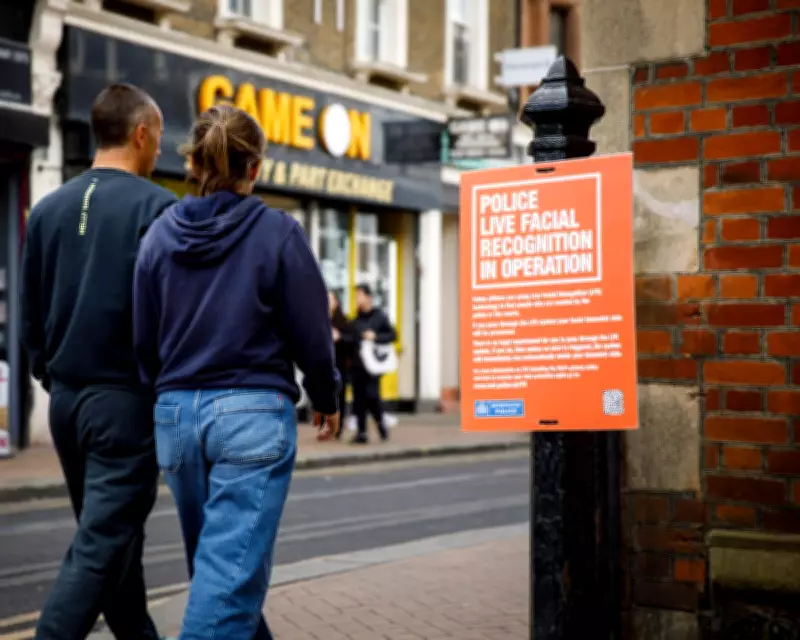
The Metropolitan Police are deploying live facial recognition cameras in central Croydon as part of a pilot programme across London. The technology scans faces in real time, comparing them against watchlists, and alerts officers when a potential match is found. Advocates argue it is effective and here to stay, but critics warn of a creeping surveillance system with insufficient safeguards.
How the Technology Works
Live facial recognition systems capture faces on camera and instantly compare them against databases compiled by police or private operators. When a possible match is detected, officers receive an alert and can decide whether to intervene. The process is swift, with officers converging on flagged individuals within seconds, often before the person realizes they have been identified.
Rapid Uptake Outpacing Regulation
The use of facial recognition is skyrocketing. So far this year, the Metropolitan Police in London have scanned over 1.7 million faces, an 87% increase compared to the same period in 2025. This rapid adoption mirrors trends seen with other technologies, where deployment has raced ahead of clear regulatory frameworks.
Cases of Wrongful Identification
In one notable case, Ian Clayton, a retired health and safety professional from Chester, was falsely identified as a thief by a shop using Facewatch, a live facial recognition system. He described being thrown out of a store as "very Orwellian" and felt "guilty until proven innocent." Such errors highlight the technology's flaws, especially as deployment widens.
Public Opinion Divided
Public reaction is mixed. Some people accept the technology, arguing that if they have nothing to hide, there is nothing to worry about. Others express concern about mistaken identity and the lack of awareness when cameras are in use. A third group strongly opposes the technology, viewing it as an infringement on civil liberties. Campaign group Liberty warns that police could use facial recognition to intimidate protesters, track children, and that data shows systems are more likely to incorrectly flag black and Asian individuals.
Calls for Stronger Oversight
Currently, oversight is fragmented among several bodies, including the Information Commissioner's Office and the Equality and Human Rights Commission. Watchdogs have warned that this patchwork approach is struggling to keep up with technological advances. The Home Office has indicated it is considering a new legal framework for facial recognition.
As the technology continues to advance, the key question remains whether regulations can keep pace to ensure benefits are realized without causing harm. The direction of travel is clear: facial recognition is here to stay, but the rules governing its use must evolve to protect citizens' rights.