
Escapees from Syria's Camps Face Uncertain Future Amid Repatriation Calls
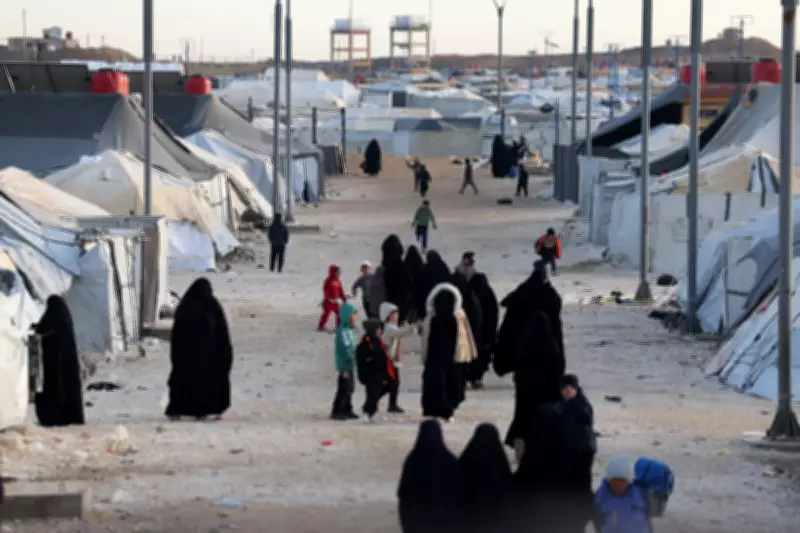
A young Albanian woman's escape from the squalid al-Hawl camp in Syria's northeastern Hasakeh province offers rare hope, but as the facility empties, many remain stranded in a dangerous post-conflict zone. This situation has prompted urgent international calls for governments to repatriate citizens detained for years without charge or trial.
Twelve-Year Ordeal Ends in Emotional Reunion
In early February, Xhetan Ndregjoni received the news he had been anxiously awaiting near Turkey's border with Syria. His niece, Eva Dumani, was finally on her way after escaping al-Hawl camp, where she had been held without charge since childhood. "I don't have the words to describe that moment," Ndregjoni said of their emotional reunion.
The family's ordeal began over a decade ago when Dumani, then nine years old, and her seven-year-old brother were kidnapped from their Albanian home and taken to Syria by their father, who was later killed fighting for Islamic State. Dumani's release represents a rare positive development amid what human rights organizations describe as an unfolding catastrophe in northern Syria.
Camp Collapse Creates Security Vacuum
The gradual emptying of al-Hawl camp has left thousands of women and children from more than 40 countries abandoned in a volatile post-conflict zone. These individuals, many with alleged ties to IS, now face increased vulnerability to exploitation and have raised fresh security concerns among international observers.
Devorah Margolin, a senior fellow at the Washington Institute for Near East Policy, warned that governments can no longer ignore the situation. "People are going to come back whether you want them to or not, specifically if they've escaped," she said. Margolin emphasized that proactive planning for trauma-informed care, reintegration, and security monitoring represents better security practice than allowing individuals to return without oversight.
International Response Remains Inadequate
Approximately 6,000 foreign nationals from countries including Serbia, Bosnia, and Albania were detained at al-Hawl following IS's collapse in 2019. Most have endured years in what Human Rights Watch described as "inhuman, degrading, and life-threatening" conditions, characterized by chronic shortages of food and medicine, along with violence from women still loyal to IS ideology.
Beatrice Eriksson of Repatriate the Children highlighted the immediate threats facing these vulnerable populations. "Responsible countries need to step in now and assist their citizens to get home, there's no more time to waste," she said. Eriksson warned that non-state groups in Syria have significant interest in recruiting, coercing, and exploiting these children and their mothers.
Individual Escapes Highlight Systemic Failures
Alongside Dumani's escape, Belgian authorities reported that a woman charged in absentia for IS membership returned in February and was arrested upon arrival. Additionally, a western European woman managed to smuggle herself from al-Hawl to Lebanon, where she sought assistance at her country's embassy.
At the smaller al-Roj facility, where many western European and Australian citizens are detained, more than 30 Australians recently attempted to leave independently but were turned back at the last moment. The camp houses individuals including Shamima Begum, who traveled to Syria from the UK at age fifteen.
Albanian Cases Illustrate Broader Challenges
Elona Shuli, the eldest of three sisters brought to Syria as children and married to an IS fighter at thirteen, remains hopeful for repatriation by Albania. Clutching her two children, she spoke while glancing nervously at an Albanian woman standing nearby. A relative revealed that more extremist Albanian women act as "enforcers" toward Shuli and her sisters, attempting to maintain their alignment with IS ideology.
Despite the Albanian government claiming it cannot locate Shuli's exact position in al-Roj camp, The Guardian found her within minutes by providing her name to camp administration. This discrepancy highlights the communication gaps and bureaucratic obstacles hindering repatriation efforts.
Successful Reintegration Possible Despite Trauma
Research by Human Rights Watch indicates that many repatriated children can reintegrate successfully, despite having endured conditions so severe that their cumulative psychological impact may "amount to torture." This finding underscores the importance of timely intervention and proper support systems.
Eriksson praised Dumani's uncle as a "true hero" for facilitating her escape but expressed concern that families are forced to take matters into their own hands. Dumani's grandmother had previously traveled to Syria to retrieve her grandchildren but was detained and died after six years without charge.
Dangerous Escape and New Beginnings
After escaping al-Hawl earlier this year, Dumani walked for four hours to reach a main road, where smugglers transported her to Turkey. Albanian officials subsequently assisted her journey from Turkey to Albania, where she was finally reunited with her family.
"We had been waiting for this moment for twelve years," Ndregjoni recalled. "It was incredibly emotional when she saw her brother and mother." Now twenty years old, Dumani has begun high school, eager to compensate for the education she missed during her detention.
Ongoing Concerns for Those Left Behind
Ndregjoni's focus has now shifted to the approximately twenty-five Albanians still trapped in northern Syria. "We ask the government to bring back home the other children who are in this situation," he urged. "It's really important for them to have their kids at home too."
Across Europe, there has been minimal public acknowledgment of the evolving situation in Syria, despite longstanding concerns about IS-linked individuals returning. The collapse of al-Hawl and uncertainty surrounding al-Roj mean that women and children risk navigating a conflict zone alone, with many having contacted their governments for assistance without receiving responses.




