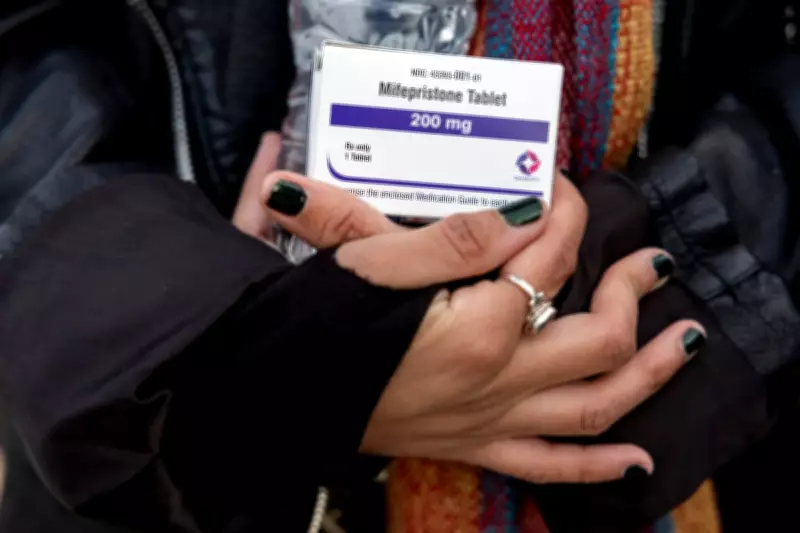
The US Supreme Court upheld nationwide access to mail-order mifepristone, an abortion medication, in a shadow-docket decision on Thursday. The ruling came in response to a lawsuit filed by Louisiana in October, which aimed to curtail the US Food and Drug Administration's (FDA) rules on prescribing mifepristone remotely, arguing that it interfered with the state's ban on abortion.
Background of the Case
The Fifth Circuit ruled in Louisiana's favor on 1 May, effectively banning mail-order mifepristone for the entire country. Two mifepristone manufacturers, Danco Laboratories and GenBioPro, filed an emergency request with the Supreme Court, which granted a temporary stay until at least Thursday. In a 7-2 decision with dissents from Justices Clarence Thomas and Samuel Alito, the court sided against the Fifth Circuit, ending the ban for now.
Dissenting Opinions
In his dissent, Thomas called the mailing of mifepristone to patients a "criminal enterprise" and noted that the 1873 Comstock Act, which broadly banned using the mail to send anything "obscene, lewd or lascivious," including items designed for abortion, should apply to mifepristone. Alito wrote that the scheme undermines the 2022 decision in Dobbs v. Jackson Women's Health Organization, which overturned Roe v. Wade and eliminated the federal constitutional right to abortion.
Legal Arguments and Standing
The two mifepristone manufacturers submitted an emergency appeal arguing that Louisiana had no standing. The Supreme Court granted the stay and sent the case back to the Fifth Circuit. The suit is expected to return to the court on an official appeal in another term. Medication accounts for approximately two-thirds of abortions in the US, and access to mailed medication has helped keep abortion rates steady despite bans in several states.
Safety and FDA Regulations
Years of research have shown that abortion medications are safe and effective. In 2023, the FDA ended a requirement to prescribe mifepristone in person, opening up remote dispensation via telehealth. The recent legal challenges, after the Dobbs decision, have been based on politics rather than evidence, experts say. In 2024, the Supreme Court ruled in FDA v. Alliance for Hippocratic Medicine that anti-abortion groups did not have standing to challenge FDA rules on mifepristone dispensing.
Louisiana's Claims and Potential Impact
In Louisiana v. FDA, the state argues that mailing mifepristone circumvents its abortion ban and that the FDA's 2023 decision was not based on science, violating the Administrative Procedure Act. Louisiana also claims the FDA rules violate the Comstock Act. The FDA asked for more time to conduct a safety review, but a judge ruled in April that the case would be on hold until the review is complete; Louisiana appealed. Conservative lawmakers expressed frustration with FDA Commissioner Marty Makary, who was pushed out of the agency earlier this week.
Broader Implications
The case has potential repercussions for the entire drug industry by allowing a single state to surpass the FDA to regulate medications nationwide. While states may regulate access to abortion, the FDA has the power to regulate medications nationwide. Following the decision, the FDA stated it will press forward with its science-based safety review of the mifepristone REMS and provide updates as key milestones are reached.
Alternative Regimens and Political Response
With other legal challenges on the horizon, abortion providers have plans to offer an alternative medication regimen using misoprostol alone, which can end pregnancies but may take longer and cause more discomfort. Earlier on Thursday, the entire Senate Democratic caucus reintroduced a resolution affirming that mifepristone is safe and effective, emphasizing that policy must be based on evidence. Senator Jeanne Shaheen of New Hampshire stated that healthcare providers have safely prescribed mifepristone for decades and that limiting access would be a blow to reproductive freedoms.