Pakistan's Military Leadership Takes Center Stage in US-Iran Mediation Efforts
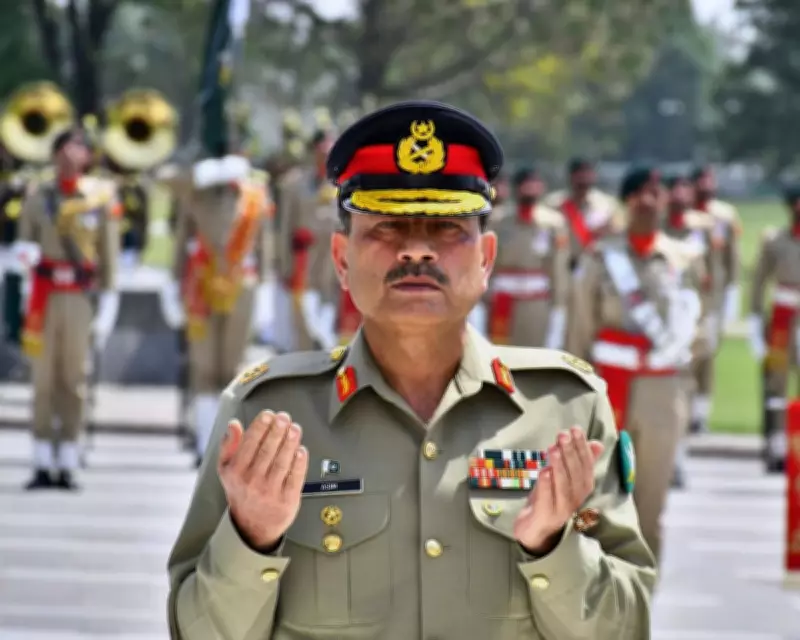
In a significant diplomatic development, Pakistan's Chief of Army Staff General Asim Munir held a crucial telephone conversation with United States President Donald Trump on Sunday, focusing specifically on the escalating conflict between the US and Iran. This high-level communication represents Pakistan's emerging role as a potential mediator in one of the world's most volatile geopolitical standoffs.
Islamabad Emerges as Potential Peace Talks Venue
Diplomatic sources have revealed that negotiations between American and Iranian officials could potentially commence in Islamabad as early as this week, though no formal agreement has been finalized. While Qatar, Turkey, and Egypt have also been considered as possible locations for peace talks, sources indicate Tehran has expressed a preference for Pakistan's capital city as the negotiation venue.
Pakistan's Prime Minister Muhammad Shehbaz Sharif reinforced these diplomatic efforts by speaking directly with Iranian President Masoud Pezeshkian on Monday. According to official statements from both governments, the leaders "agreed on the urgent need for de-escalation, dialogue and diplomacy" to resolve the conflict that began nearly a month ago.

Key Figures Positioned for Negotiation Roles
Pakistani diplomatic sources have identified US Vice President JD Vance as the probable chief negotiator for the American side should formal talks proceed. This selection appears strategic, as Vance is widely regarded as a skeptic of the US decision to bomb Iran and has maintained relative silence on the conflict compared to other administration officials.
From the Iranian side, parliamentary speaker Mohammad Bagher Ghalibaf has been mentioned as the most likely lead negotiator, though he has previously dismissed reports of talks between the two nations as "fake news." Iranian diplomatic sources have expressed "zero trust" in Washington and specifically rejected the possibility of negotiations involving Trump's Middle East envoy Steve Witkoff or the president's son-in-law Jared Kushner, who previously led nuclear negotiations with Iran.
"With the previous negotiating team, there's no chance," one diplomatic source emphasized. "The Iranian side regards the request for negotiations as another round of deception for the US-Israeli regime to find a loophole to aggravate the strikes again."
Trump's Ultimatum and Market Reactions
President Trump has issued a five-day deadline following his weekend ultimatum threatening to "obliterate" Iran's power plants and energy infrastructure if Tehran does not reopen the Strait of Hormuz, a crucial shipping route currently blockaded by Iranian military forces. Despite these threats, Trump indicated willingness to halt US strikes, claiming "strong talks" were occurring between Iranian officials and his administration.
"We have had very, very strong talks. We'll see where they lead. We have major points of agreement, I would say, almost all points of agreement," Trump told reporters on Monday. The announcement of potential negotiations helped stabilize global markets, bringing oil prices down sharply to below $100 per barrel, the lowest level in several days.
Pakistan's Strategic Position and Regional Relationships
General Asim Munir's diplomatic initiative is bolstered by his close relationship with President Trump, who has referred to the Pakistani army chief as his "favorite field marshal." Munir has visited Washington twice during Trump's presidency, establishing personal rapport that now facilitates these sensitive diplomatic channels.
Pakistan occupies a unique position in the region, maintaining complex ties with Iran while hosting the world's second-largest population of Shia Muslims after Iran itself. Additionally, Pakistan has cultivated strong relationships with Gulf countries that have borne the brunt of Iran's retaliatory strikes and recently signed a defense pact with Saudi Arabia.
The country is already experiencing severe economic consequences from the conflict, as most of Pakistan's oil and gas imports travel through the Strait of Hormuz. Costly shortages and fuel price increases have created additional urgency for Pakistan to help resolve the regional crisis.

Official Statements and Diplomatic Caution
Pakistani official sources confirmed that Iran has identified Islamabad as its preferred venue for talks, stating, "It's not been finalized yet and meetings are ongoing. But we would be glad to host the Americans and Iranians for talks."
The Pakistani foreign ministry released an official statement affirming, "If the parties desire, Islamabad is always willing to host talks. It has consistently advocated for dialogue and diplomacy to promote peace and stability in the region."
The White House maintained diplomatic caution regarding the reports, with a spokesperson stating, "These are sensitive diplomatic discussions and the United States will not negotiate through the news media." Meanwhile, Iranian officials have denied any direct talks with the Trump administration while acknowledging that "certain friendly states" have been conveying messages regarding potential negotiations.
Diplomatic sources have identified Pakistan, Oman, Turkey, and Egypt as nations actively communicating with both US and Iranian officials in attempts to bring hostilities to an end, highlighting the complex multilateral efforts underway to prevent further escalation in the Middle East.