Lebanon's Fragile Ceasefire and the Quest for Lasting Peace
A 10-day ceasefire announced by former US President Donald Trump on Thursday offers a desperately needed pause in the devastating conflict engulfing Lebanon. However, this temporary truce must be approached with immense caution and skepticism, given the deep scars inflicted by recent Israeli airstrikes and the complex political dynamics at play.
Devastating Impact on Lebanese Civilians
The human cost of this conflict has been staggering. Israeli forces have reportedly killed more than 2,100 people in Lebanon, including at least 172 children, with thousands more injured. One in five Lebanese citizens has been displaced from their homes, some permanently, as Israel has occupied significant territory and systematically destroyed villages. The destruction of the last bridge connecting southern Lebanon to the rest of the country on Thursday symbolizes the isolation and devastation facing the nation.
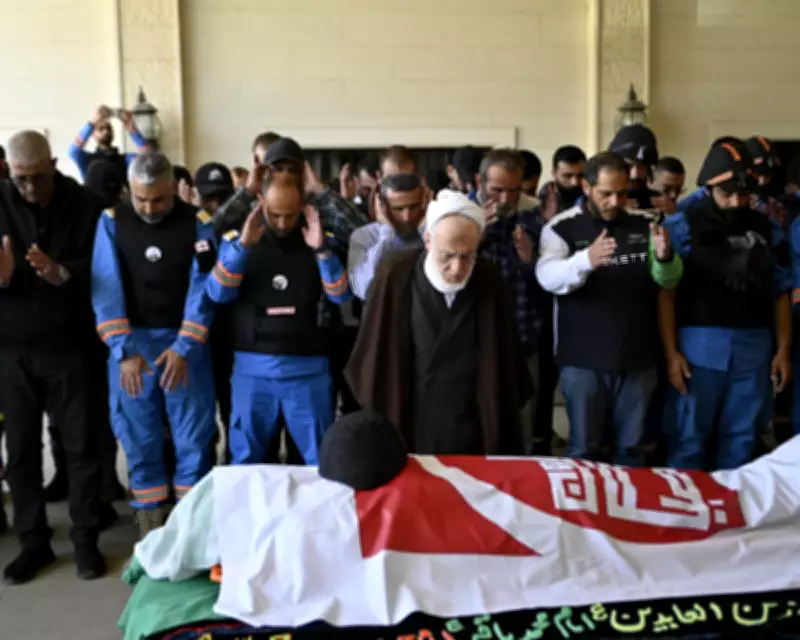
Medical personnel have been particularly targeted, with at least four paramedics killed just this week – part of scores of healthcare workers who have lost their lives. A school was also struck in recent attacks, demonstrating how civilian infrastructure has become part of the battlefield.
Political Complexities and Limited Control
Lebanon finds itself caught in a war not of its making, with solutions lying largely outside its control. While Tuesday's direct talks between Lebanon and Israel represented a significant departure from previous diplomacy, the Lebanese government faces severe limitations. It does not control Hezbollah, the militant group whose rocket attacks in retaliation for Iran's supreme leader's killing triggered this conflict, yet Lebanon bears the consequences of those actions.
The government has attempted to assert its authority, announcing the expulsion of Iran's ambassador a month ago, though he remains in place. Lebanese President Joseph Aoun has rejected a US request to speak directly with Israeli Prime Minister Benjamin Netanyahu, demonstrating the boundaries of what Lebanon can accept politically.
Fragile Diplomacy and Competing Interests
The ceasefire's prospects remain irrevocably tied to broader US-Iranian discussions, with a vast gulf separating the positions of all parties involved. Israel demands Hezbollah's disarmament in the midst of ongoing hostilities, while Hezbollah insists on complete Israeli withdrawal. Netanyahu's surprise visit to southern Lebanon this weekend and his announcement of plans to expand what Israel calls a "buffer zone" suggest permanent war may suit his political interests and those of his far-right coalition partners.
There is growing anger within Lebanon toward Hezbollah for triggering this conflict, but Israel's devastating attacks have simultaneously made the Lebanese government and military appear impotent, potentially driving citizens toward militant groups for protection they cannot find elsewhere.
International Pressure and the Path Forward
Increasing international disquiet, including from traditional Israeli allies like the United States, must translate into genuine pressure for lasting peace. Lebanon faces what many describe as a dismal choice between Iranian and Israeli domination, with the specter of sharpened social and communal divisions in a country that endured years of civil war.
While any pause in hostilities is welcome, history offers little comfort. Israel continued strikes in Lebanon despite previous ceasefire agreements, and hundreds of Palestinians have been killed since Gaza's ceasefire was declared. This latest truce remains fragile when those negotiating it prioritize their own interests over civilian protection. The international community must ensure this ceasefire becomes more than a temporary pause, transforming instead into a sustainable peace that truly ends the bloodshed and addresses Lebanon's profound humanitarian crisis.