
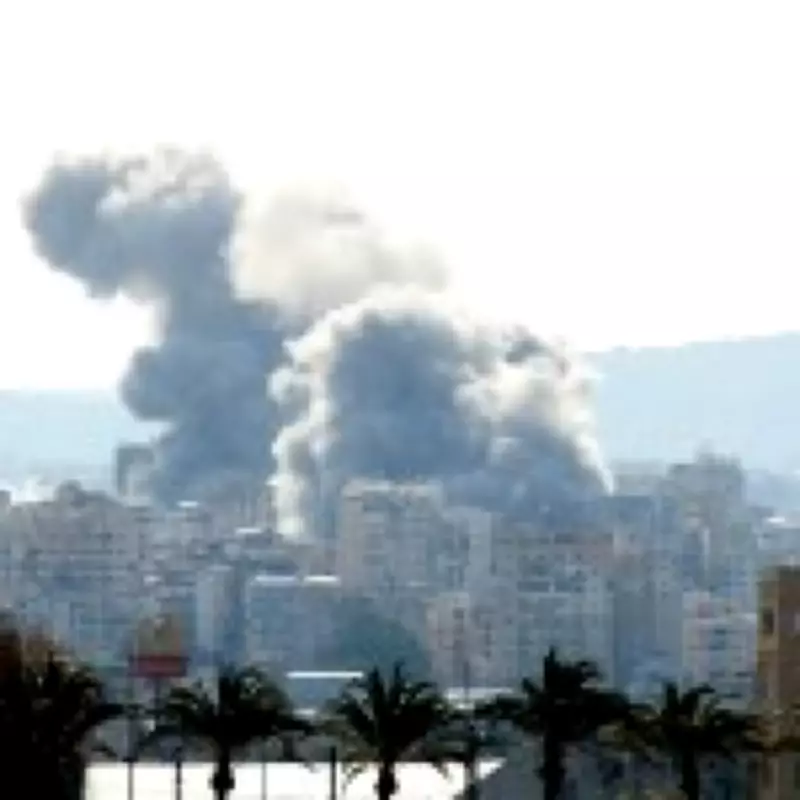
Historic Direct Talks Between Lebanon and Israel Commence in Washington
In a groundbreaking diplomatic move, Lebanon and Israel are set to engage in their first direct talks in decades, taking place in Washington today. This historic meeting follows over a month of intense conflict between Israel and Hezbollah, marking a potential turning point in regional tensions.
Key Participants and Context of the Talks
The talks will be facilitated by Secretary of State Marco Rubio, with Israeli ambassador Yechiel Leiter and Lebanese ambassador Nada Hamadeh Moawad representing their respective nations. According to a US State Department official, these discussions aim to explore ways to ensure long-term security on Israel's northern border and support Lebanon in asserting control over its territory and political future, particularly from Iran-backed Hezbollah.
This meeting is the first direct dialogue between the two countries since 1993, highlighting its significance amid ongoing hostilities. The Israeli military continues its invasion into southern Lebanon, with some officials stating the goal is to establish a depopulated 'security zone' extending from the border to the Litani River, approximately 20 miles inland.
Humanitarian Impact and Displacement
The conflict has resulted in severe humanitarian consequences. The Lebanese Health Ministry reports that Israeli strikes have killed at least 2,089 people in Lebanon, including 252 women, 166 children, and 88 medical workers, with 6,762 others wounded. More than one million individuals have been displaced, underscoring the urgency of diplomatic efforts to halt the violence.
Regional Implications and Iran's Role
The talks could also pave the way for broader regional peace, including potential discussions to end the war in Iran. Tehran has demanded a cessation of strikes in Lebanon as a precondition for talks with the US. However, Hezbollah and its critics remain skeptical, arguing that Lebanon's government lacks leverage and should instead rely on Iran's position as a key ally and patron.
Hezbollah, weakened after its last war with Israel ended in November 2024, continues to launch drones, rockets, and artillery daily into northern Israel and against ground troops within Lebanon. The group's secretary-general, Naim Kassem, has delivered a fiery speech urging Lebanon to cancel the talks, viewing them as a concession to Israel. Hezbollah advocates for a return to the 2024 agreement, which involved indirect talks mediated by the US, France, and the United Nations peacekeeping mission in southern Lebanon.
Lebanese and Israeli Stances
Lebanon's top political authorities, critical of Hezbollah's decision to fire rockets toward Israel on March 2 in solidarity with Iran, proposed direct talks to prevent further escalation. They hoped this would deter Israel from launching a ground invasion. President Joseph Aoun, who came to power vowing to disarm non-state groups like Hezbollah, emphasized that "Israel's destruction of Lebanese territories is not the solution, nor will it yield any results." He advocates for diplomatic solutions, stating they have "consistently proven to be the most effective means of resolving armed conflicts globally."
Beirut seeks a truce as a prerequisite for talks, similar to Pakistan-brokered negotiations between the US and Iran. However, Israel has ruled out a ceasefire, citing Hezbollah's continued "indiscriminate" attacks. Israel did not respond positively to Lebanon's proposal until last week, after conducting 100 strikes across Lebanon, including in the heart of the capital, Beirut.
Broader Diplomatic Efforts and Future Prospects
These talks represent a critical juncture in Middle Eastern diplomacy, with potential implications for regional stability and international relations. The involvement of the US underscores its role as a mediator in complex geopolitical conflicts. As the discussions unfold, the world watches closely to see if this historic dialogue can lead to a sustainable peace agreement and address the deep-rooted issues fueling the conflict.




