Islamabad Transforms into Fortified Diplomatic Hub for Critical Iran-US Negotiations
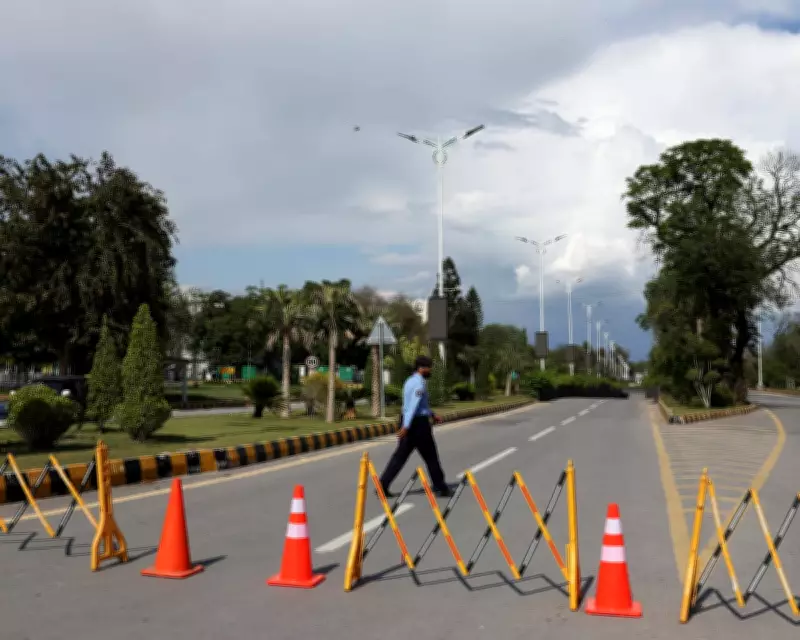
The streets of Islamabad stand eerily empty and heavily guarded as Pakistan's capital undergoes unprecedented security measures to host what could be historic peace negotiations between Iran and the United States. With army personnel deployed across the city and a public holiday declared, the atmosphere is one of tense anticipation for talks that could potentially end a devastating Middle East conflict.
Unprecedented Security Measures Transform Capital
As delegations began arriving on Thursday night and Friday morning, Islamabad implemented security protocols rarely seen in peacetime. The army and paramilitary rangers have taken control of key areas, with roads leading to potential negotiation venues completely sealed off. The exclusive Serena hotel, cleared of all guests, has emerged as the likely epicenter of discussions, with a 3-kilometer security perimeter established around the five-star facility.
"Our priority is that the talks go smoothly," revealed one Pakistani official involved in the arrangements. "We don't want to be seen as a spoiler. Our role is as a facilitator and mediator. We will leave it to both parties, Iran and the US, to share any developments with the media if they want."

High-Stakes Diplomacy Amid Fragile Ceasefire
The negotiations come at a critical juncture following Pakistan's successful mediation that secured a two-week ceasefire between the warring nations. The conflict, which began when Israel and the US attacked Iran in late February, has resulted in thousands of casualties and triggered global economic disruption through Iran's blockade of the Strait of Hormuz.
However, the ceasefire remains precarious, with significant disagreements persisting. While Iran and Pakistan maintain that the ceasefire includes Lebanon, the US and Israel have insisted this constitutes a separate issue. Iranian President Masoud Pezeshkian has emphasized that peace negotiations would be "meaningless" if bombing continues in Lebanon.
Key Players and Delegations Arrive
The US negotiating team will be led by Vice-President JD Vance, supported by special envoys Steve Witkoff and Jared Kushner. Iran's delegation includes Foreign Minister Abbas Araghchi and Parliament Speaker Mohammad Bagher Ghalibaf, both veterans of the ceasefire negotiations. Senior figures from Iran's Revolutionary Guard are also expected to participate.
Adding to the diplomatic significance, officials confirmed that delegations from Gulf countries including Qatar and Saudi Arabia—nations that have suffered heavy bombardment since the conflict began—will travel to Islamabad and may engage in sideline discussions.
Multiple Venues and Uncertain Timeline
Due to extreme security concerns, Pakistani officials have prepared three to four potential venues for the critical meetings. Beyond the Serena hotel, possibilities include the prime minister's secretariat, Islamabad's convention center, or a secure military location. No definitive timeline has been established for the talks, though guests evacuated from the Serena hotel were informed the facility would remain occupied until Sunday night.
Pakistan's Diplomatic Triumph
The hosting of these negotiations represents what many are calling Pakistan's most significant diplomatic achievement in years. Prime Minister Shehbaz Sharif and Army Chief Asim Munir—credited with helping broker the initial ceasefire—expressed satisfaction with the de-escalation achieved thus far during a Thursday meeting.
Iran's Deputy Foreign Minister Saeed Khatibzadeh acknowledged Pakistan's ongoing behind-the-scenes efforts to maintain peace and protect the fragile ceasefire, claiming Pakistani intervention prevented Iranian retaliation against strikes on Lebanon.
As the world watches, Islamabad's transformed streets serve as both a symbol of hope for peace and a reminder of the high stakes involved in negotiations that could reshape Middle Eastern geopolitics for generations to come.