Hungary's New EU Approach: Constructive Policy and Compromise
In a significant shift from the previous administration's confrontational stance, Hungary's political leadership under Magyar has pledged to adopt a more constructive approach to European Union policy. This new direction emphasizes seeking compromises on contentious issues, marking a departure from the combative rhetoric often associated with former Prime Minister Orbán.
Magyar's Vision for EU Engagement
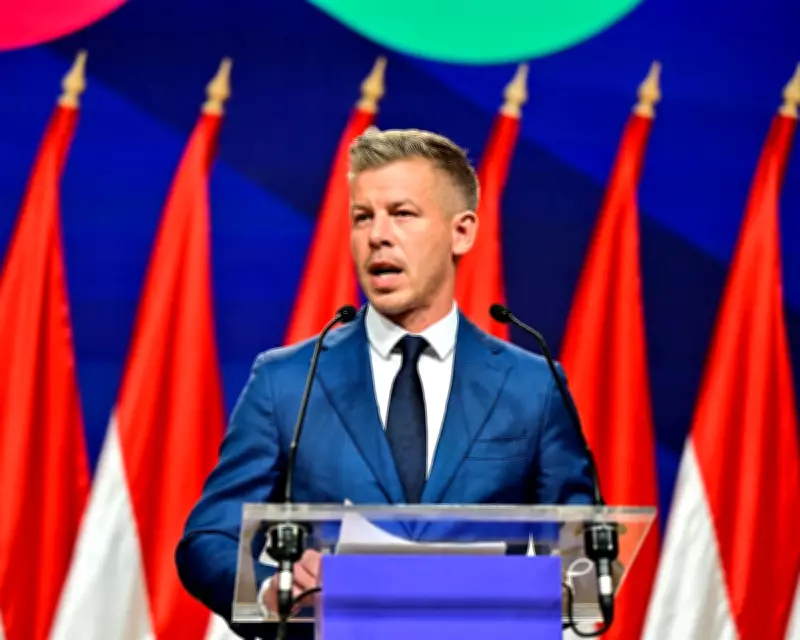
During a recent address, Magyar outlined his vision for Hungary's role within the EU and NATO. He expressed pride in Hungary's membership in these organizations, while also acknowledging the EU's complexities, including its bureaucratic nature and networks of lobbies and interests. "It's a complicated bureaucratic, compromise-seeking organization," Magyar stated, highlighting the need for pragmatic solutions.
Magyar emphasized that Hungary will not engage in disputes merely for political posturing. "I am sure we will have debates, but we are not going there to fight for the sake of fighting so we can write on billboards that Brussels is evil and needs to be stopped," he declared, in a clear swipe at Orbán's previous adversarial tactics.
Key Issues for Compromise
The new approach will focus on finding workable compromises on several critical issues that have strained Hungary's relations with the EU. These include:
- Rule of Law: Addressing concerns over judicial independence and democratic norms.
- Migration: Developing collaborative strategies for managing migration flows.
- Ukraine: Navigating Hungary's position on support for Ukraine amid broader EU consensus.
Magyar's commitment to compromise suggests a willingness to bridge gaps on these divisive topics, potentially easing tensions with EU partners.
Implications for Hungary's Foreign Policy
This shift signals a broader realignment in Hungary's foreign policy, moving away from isolationist tendencies towards greater cooperation within the EU framework. By prioritizing constructive dialogue, Magyar aims to enhance Hungary's influence and secure favorable outcomes on key issues.
As Hungary prepares for future EU negotiations, the focus will be on practical solutions rather than ideological battles. This approach could redefine Hungary's role in European politics, fostering a more collaborative environment.
Observers anticipate that Magyar's stance will be tested during upcoming Q&A sessions, where specifics of these compromises will be scrutinized. The success of this new policy may hinge on Hungary's ability to balance national interests with EU solidarity.