Cuba Initiates Major Prisoner Release Amid Easing US Fuel Restrictions
Cuban authorities have commenced the release of more than 2,000 prisoners, a significant humanitarian gesture announced during Holy Week. This move comes shortly after the United States eased a de facto fuel blockade, allowing a Russian tanker to deliver crude oil to the energy-starved island nation.
Emotional Scenes at La Lima Prison
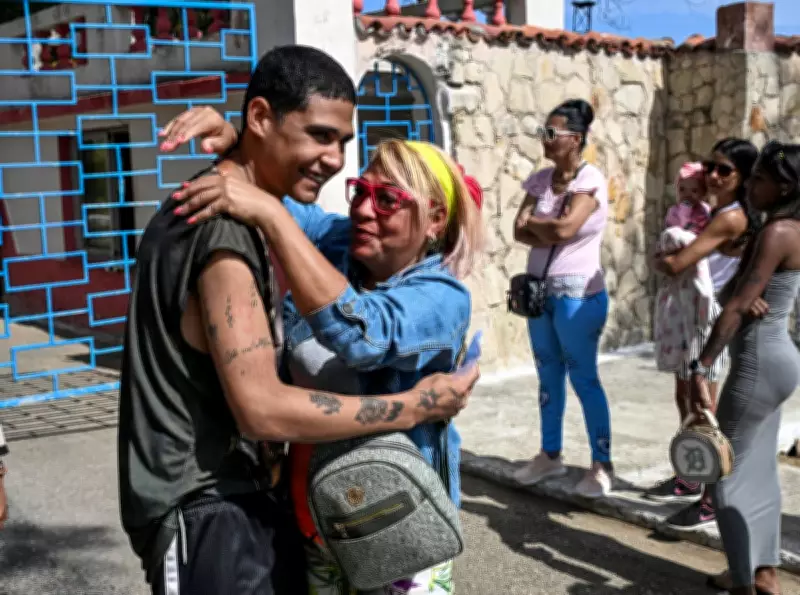
On Friday, over 20 inmates walked free from La Lima penitentiary in east Havana, holding their release papers and embracing waiting relatives. Albis Gainza, a 46-year-old who had served half of a six-year sentence for robbery, expressed gratitude for the opportunity, stating he couldn't sleep after learning of his impending release. "This needs to keep going... [and] more are released," Gainza told AFP, highlighting the emotional impact of the government's decision.
Humanitarian Gesture During Holy Week
The Cuban government announced late Thursday plans to pardon 2,010 prisoners as a "humanitarian" gesture marking Holy Week observances. This represents the second such release in less than a month, following a March 12 announcement of 51 prisoner releases as a sign of "good will" toward the Vatican, which has often mediated between Washington and Havana.
According to official statements, the selection criteria included the nature of crimes committed, good behavior in prison, health considerations, and time served. The release will specifically include young people, women, and prisoners over 60 years old scheduled for early release within the next six to twelve months.
Geopolitical Context and US-Cuba Relations
The prisoner release announcement came days after the Trump administration permitted a Russian tanker to deliver crude oil to Cuba, easing what had effectively been an oil blockade. This development occurs amid heightened US pressure on Cuba's communist government, with President Donald Trump having previously mused about "taking" the island and calling for systemic change.
Michael Bustamante, chair of Cuban studies at the University of Miami, suggested the prisoner releases might indicate progress in ongoing US-Cuba discussions. "It seems not far-fetched to think that this is a sign that some of the conversation between both governments is advancing. Perhaps slowly, but advancing," Bustamante noted, while adding that the political significance would depend on which prisoners are ultimately released.
Release Parameters and Historical Context
The Cuban government clarified that those being pardoned would not include individuals convicted of serious crimes such as murder, sexual assault, drug-related offenses, theft, illegal livestock slaughter, or crimes against authority. The release includes both Cuban citizens and foreigners, as well as Cuban citizens living abroad who were sentenced in absentia.
This marks the fifth prisoner pardon since 2011, bringing the total number of released inmates to over 11,000 during this period. Cuban officials described the decision as "a reflection of the humanitarian legacy of the revolution" and consistent with customary practices within their criminal justice system during religious observances.
Broader Implications and International Reactions
Simultaneously with the prisoner release announcement, Russia revealed plans to send a second oil tanker to Cuba. Bustamante highlighted the potential connection between these developments, suggesting one might "wonder if the Trump administration's decision to let in a Russian ship... may or may not be related here."
US Secretary of State Marco Rubio, a Cuban-American and vocal critic of Havana's government, emphasized the need for systemic change in Cuba during a Fox News interview. "You cannot fix their economy if you don't change their system of government," Rubio stated, adding that Cuba faces significant challenges and promising "more news on that fairly soon."
The prisoner releases occur within a complex geopolitical landscape where humanitarian gestures intersect with diplomatic negotiations and economic pressures, creating a delicate balance between domestic policy and international relations for both Cuba and the United States.