Cuba's Deepening Crisis Amid US Oil Blockade and Humanitarian Concerns
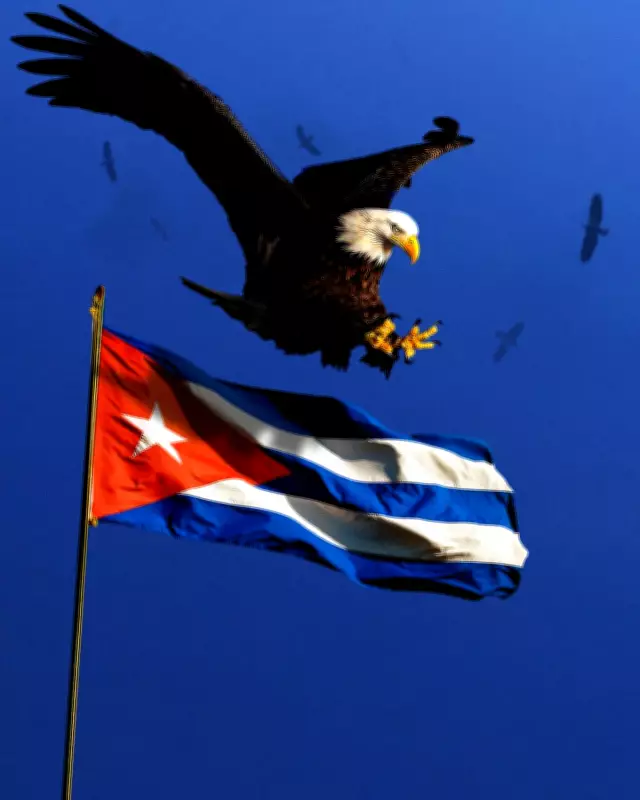
In the verdant gardens of Havana's diplomatic quarter, Siboney, ambassadors from nations traditionally allied with the United States are voicing growing frustration over Washington's aggressive tactics to destabilize Cuba's government. Simultaneously, they are drafting contingency plans to scale down their missions as the island nation faces an unprecedented crisis. Cuba, already grappling with a four-year economic slump exacerbated by hyperinflation and the emigration of nearly 20% of its population, finds its 67-year-old communist regime at its most vulnerable. Following the US military operation against Cuba's ally Venezuela in early January, the American administration is now actively pursuing regime change in Havana.
Diplomatic Frustrations and Lack of Detailed Plans
The Guardian conducted interviews with more than five high-level officials from various countries, who expressed complaints that Mike Hammer, the US charge d'affaires, has failed to outline any comprehensive strategy beyond crippling Cuba by cutting off its oil supply. One diplomat remarked, "There's talk of human rights and predictions that this is the year Cuba changes, but there is little discussion about what comes next." Some hold out hope for rumored high-level talks in Mexico between Cuban General Alejandro Castro Espín, son of former president Raúl Castro, and US officials, but so far, no progress has been made.
Instead, diplomats in Havana are bracing for an alternative approach: starving the country until civil unrest erupts, allowing the US to intervene. "We're trying to keep a cool head," said one ambassador, while another noted, "Embassies are built on planning for the unexpected – hopefully before it becomes expected."
Humanitarian Impact and Fuel Shortages
Compounding these concerns is the news that fuel shortages are hindering the UN World Food Programme's efforts to address suffering from last year's Hurricane Melissa. The organization, which maintains a low-profile presence on the island, is now preparing for a potentially larger crisis. Étienne Labande, the WFP's country director, stated, "We're already seeing the impact in the availability of fresh produce in the cities." Diplomats fear that the lack of fuel for electricity, water, and food transport could lead to extreme suffering within weeks, with urban populations at particular risk.
Cuba's latest crisis stems from an executive order signed by Donald Trump in January, imposing tariffs on any country supplying oil to Cuba. Despite protests from allies like China and Russia, this threat has proven effective. Even Mexico, which recently became Cuba's largest oil supplier, has halted tanker shipments, although President Claudia Sheinbaum warned of a humanitarian disaster and sent 800 tons of aid, criticizing the US sanctions as "very unfair."
Tourism Collapse and Daily Life Disruptions
The consequences of the US oil blockade have unfolded rapidly, surpassing expectations. All three airlines flying tourists from Canada to Cuba suspended services this week due to aviation fuel shortages, followed by two Russian airlines, with all five carriers beginning to repatriate travelers. Canadians, who accounted for 750,000 visitors in 2025, represent the largest tourist group, while Russians are the third most numerous. In response, the UK Foreign Office updated its travel advice to recommend only essential travel to Cuba.
As the blockade cripples the Cuban government's ability to earn foreign exchange, citizens outside diplomatic areas are adapting to life without fuel. One local observed, "It is starting to feel like the 1962 missile crisis. The sun was shining then too, and people went about their business, under a cloud of anxiety." The government has closed universities, secondary schools, and non-essential state offices, while reducing public transport to conserve resources.
Personal Stories and Social Media Reactions
Adrian Rodriguez Suárez, a 22-year-old nuclear physics student at Havana University, has been instructed to return home to Holguín for distance learning. He expressed concerns about electricity availability outside Havana, saying, "Studying is going to be difficult." On social media, Cubans are sharing their worries, such as one Facebook user whose March wedding was canceled, while others offer help, like a motorcycle taxi driver providing free rides for medical emergencies.
Entrepreneurs are also adapting; a man in Havana's La Lisa neighborhood is selling homemade burners for cooking over wood, which have become popular. A woman in Sancti Spíritus joked anonymously, "My mother is going crazy with this cooking on charcoal. I'd have to make a will to bequeath the charcoal stove to my daughter as her only inheritance."
Diplomatic Preparations and Quieting Tourism Hotspots
Diplomats are making plans to evacuate if the situation worsens quickly. One asked, "What is the point of us being here if we can't work?" while another stated, "We're prepared, vigilant, and hoping common sense keeps winning a few rounds." In central Havana, once-bustling tourist spots like the rooftop bar Yarini are now nearly empty. On a recent warm weekday night, only two tables were occupied—not by locals or tourists, but by war correspondents taking a break from Ukraine, anticipating the fall of one of the world's last communist states.