Cuban Border Guards Kill Four in Rare Clash Amid US Oil Embargo Crisis
The Cuban Interior Ministry has reported that border guards killed four gunmen and wounded six others on a speedboat registered in Florida off the coast of Villa Clara province. This rare incident occurred on Tuesday, heightening tensions between the United States and Cuba during an ongoing oil embargo that has triggered a severe energy and humanitarian crisis on the island.
Details of the Clash and Cuban Response
According to the ministry, one border guard was injured in the exchange of gunfire. The Cuban embassy in the US stated on social media, "In the face of current challenges, Cuba reaffirms its determination to protect its territorial waters, based on the principle that national defense is a fundamental pillar of the Cuban State in safeguarding its sovereignty and ensuring stability in the region." This clash underscores the volatile situation as Cuba faces mounting pressures from US policies.
US Oil Embargo and Humanitarian Impact
The Trump administration has slightly eased the embargo on Venezuelan oil deliveries to Cuba due to the worsening energy and humanitarian crisis exacerbated by the US blockade. The Treasury Department announced on Wednesday that it would permit American and some international companies to resell Venezuelan-origin oil and petroleum products in Cuba. This move aims to provide a potential lifeline for Cuban households and private businesses devastated by fuel import cuts from Venezuela.
The guidance, issued in "solidarity with the Cuban people," targets efforts to "improve living conditions and support independent economic activity." However, it bans transactions with Cuban government institutions, relying on the Cuban government to respect the arrangement. The embargo has led to acute energy shortages, with blackouts lasting 12 to 20 hours daily across much of the country, affecting migration, security, and economic stability in the Caribbean region.
International Aid and Diplomatic Tensions
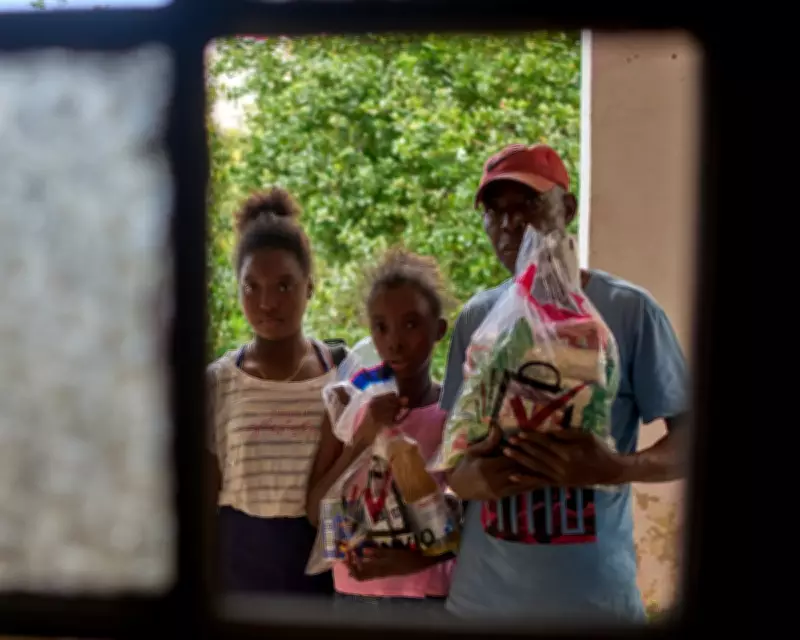
Mexico's foreign ministry sent a second shipment of humanitarian aid, including beans and powdered milk, while Canada announced $6.7 million in food aid through the United Nations. Canadian Foreign Affairs Minister Anita Anand emphasized, "This is Canadian foreign policy. We are focused on the humanitarian situation." Meanwhile, US Secretary of State Marco Rubio, a hawkish opponent of Cuba's government, has called for increased pressure on Havana.
Tensions have soared since the US operation in January to capture Nicolás Maduro, removing a key Cuban ally. The US cut a major oil lifeline from Venezuela and threatened tariffs on other suppliers like Mexico. About 10% of Cuban oil comes from Russia, with the US targeting Russian oil tankers violating sanctions. During his State of the Union speech, Donald Trump claimed the US received over 80 million barrels of oil from Venezuela, highlighting the complex geopolitical dynamics.
Regional Reactions and Future Outlook
Jamaican Prime Minister Andrew Holness, outgoing chair of the Caribbean Community, supports "constructive dialogue between Cuba and the US aimed at de-escalation, reform, and stability." As the crisis deepens, regional leaders warn of broader impacts on Caribbean stability. The new US guidance on oil sales remains unclear in enforcement, leaving Cuba's energy future uncertain amid ongoing diplomatic strife.