
Eswatini Supreme Court Upholds Legal Rights for Deported Individuals
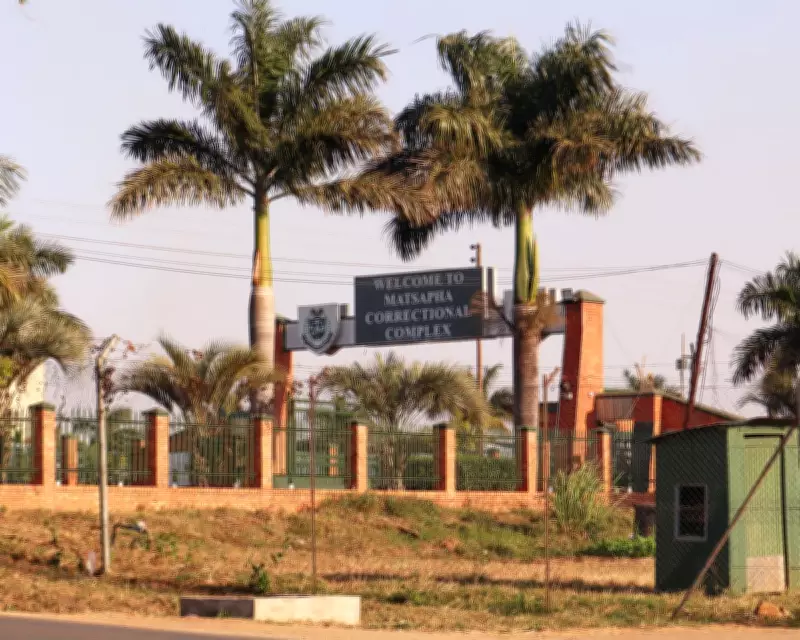
In a landmark decision, the supreme court of Eswatini has ruled that four men deported by the United States to the southern African nation possess the fundamental right to access in-person legal counsel. The men, who have been detained for approximately nine months within a maximum security prison facility, were previously denied meetings with a local attorney despite being permitted to communicate with their American lawyers via telephone.
Background of the Deportation Case
The individuals involved originate from Cambodia, Cuba, Vietnam, and Yemen, and were transferred to Eswatini in July as part of the Trump administration's intensified deportation initiatives. Notably, these men have no established connections to Eswatini, formerly known as Swaziland. The US government classified them as dangerous criminals, although their legal representatives assert that they had already completed sentences for offenses committed in the United States.
Eswatini's correctional services had consistently refused to allow a local lawyer, Sibusiso Magnificent Nhlabatsi, to visit the detainees. The government contended that the inmates demonstrated no interest in such meetings. However, the supreme court dismissed this argument in a judgment delivered on Thursday, emphasizing that no harm would result from granting access.
Judicial Reasoning and Broader Implications
The panel of three judges articulated that the detainees should have the opportunity to personally decline counsel if they so choose. This ruling highlights significant concerns regarding human rights and due process in deportation cases. Alma David, a US attorney representing several of the men, criticized the prolonged legal battle, stating that it underscores the government's resistance to affording basic rights.
Meanwhile, Eswatini government spokesperson Thabile Mdluli has previously asserted that the kingdom has adhered to national and international obligations in treating the deportees. The US Department of Homeland Security defended the deportation practices, rejecting allegations of human trafficking and affirming the administration's commitment to expansive deportation operations.
Expanding Deportation Practices and International Response
This case occurs within a broader context of the US deporting numerous individuals to third countries where they lack origins, including nations like Ghana, South Sudan, and Uganda. Human rights organizations and legal advocates have condemned these actions as akin to human trafficking, raising alarms about the erosion of protections for vulnerable populations.
Of the initial group of five deportees, one was repatriated to Jamaica in September. Subsequent arrivals included ten individuals in October, with one returned to Cambodia in March, and an additional four last month. The ongoing situation continues to draw international scrutiny, reflecting the complex interplay between immigration enforcement and human rights safeguards.




