China's Diplomatic Gains from US-Iran War Mask Deeper Economic and Energy Risks
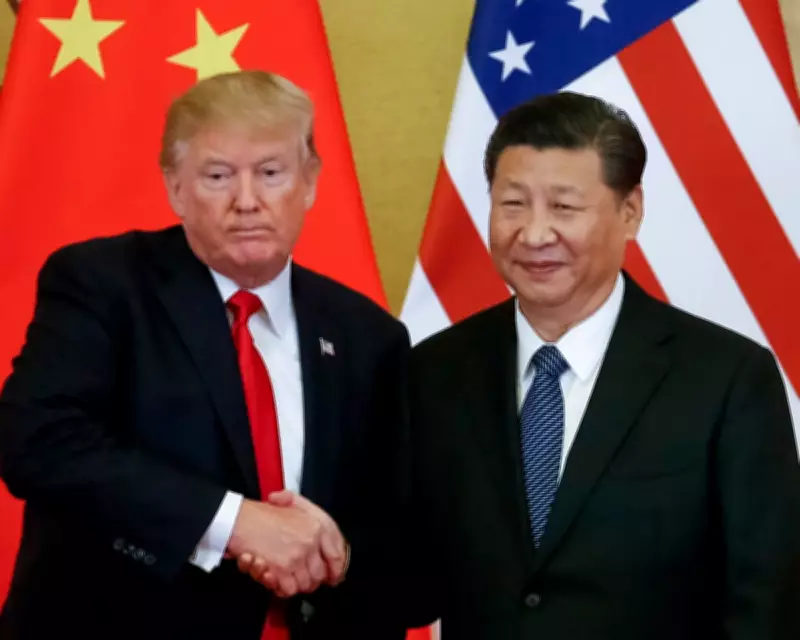
In early 2024, China's foreign minister, Wang Yi, optimistically declared it would be a "big year" for China-US relations, anticipating a planned visit by US President Donald Trump to Beijing in March. This trip, which would have been Trump's first to China since 2017, was intended to foster trade discussions with Chinese leader Xi Jinping. However, the visit was abruptly postponed by several weeks after Trump initiated strikes with Israel against Iran, sparking a war in the Middle East that has triggered a global energy crisis and severely strained international diplomatic ties.
Disrupted Superpower Relations and Accusations
The conflict has profoundly disrupted the delicate relationship between the world's two superpowers. In March, Wang Yi emphasized the need for both sides to "treat each other with sincerity and good faith." Yet, China has since accused the United States of "dangerous and irresponsible" behavior concerning its blockade in the Strait of Hormuz and has vowed to retaliate against potential US tariffs. Concurrently, US Treasury Secretary Scott Bessent criticized China on Tuesday, labeling it an "unreliable global partner" for stockpiling oil amidst the crisis.
China has declined to comment on whether these tensions will affect Trump's rescheduled visit in May. Originally focused on achieving a mutually beneficial trade deal, the trip now risks being overshadowed by the war, especially with US intelligence suggesting China may have provided military assistance to Iran—a claim Beijing firmly denies.
Short-Term Advantages and Emerging Long-Term Threats
When the conflict erupted on February 28, analysts predicted some immediate benefits for China. Rising oil prices were seen as more detrimental to the US, the war undermined Trump's global credibility, it diverted crucial US military resources, and it shifted political attention in Washington away from Beijing and security concerns in the Asia-Pacific region. China's substantial fossil fuel reserves and diversified energy portfolio initially shielded it from the worst impacts of the oil price shock.
However, these perceived advantages are rapidly fading. Two primary risks now threaten China's stability. First, despite its energy stockpiles, the nation faces potential shortages. Pump prices for drivers have already increased, which, while not drastically affecting daily life, jeopardizes Beijing's long-term strategic planning. Shen Dingli, a Shanghai-based international relations scholar, warned that the conflict "deeply undermines China's energy security," a critical factor in any future plans regarding Taiwan. "China needs to think: what are the consequences of a Taiwan contingency due to an energy cutoff?" Shen stated.
Although oil constitutes less than one-fifth of China's total energy mix, its share is significantly higher in key sectors like transportation and aviation, which are vital for military operations. China purchases over 80% of Iran's oil, and before the US counter-blockade in the Strait of Hormuz this week, these imports flowed largely uninterrupted, accounting for approximately 12% of China's oil supply.
Economic Vulnerabilities and Global Recession Fears
Second, the war in the Middle East heightens the risk of a global recession. China's economy is heavily reliant on exports, which make up around one-fifth of its GDP. A worldwide economic downturn would severely impact the country's growth prospects. Andrea Ghiselli, a lecturer in international politics at the University of Exeter, noted, "In the beginning, China had something to gain. But now I think they really want this to end. The Chinese don't want any of this."
Diplomatic Maneuvering and Realpolitik Realities
Despite these risks, China continues to reap diplomatic benefits by positioning itself as a more stable global partner compared to the US. In recent days, Xi Jinping has engaged with leaders from Spain, Vietnam, Russia, and Abu Dhabi. His meeting with Abu Dhabi's Crown Prince, Sheikh Mohammed bin Zayed Al Nahyan, yielded the most direct Chinese statements on the conflict, though Xi avoided direct criticism of the US. He urged the world not to "revert to the law of the jungle" and proposed a four-point plan for the Middle East emphasizing peace and rule of law.
Chinese official media reported that Spain's Prime Minister Pedro Sánchez "actively" supported this proposal. Additionally, Beijing was credited last week with encouraging Iran toward a ceasefire with the US, although this agreement remains fragile.
Nevertheless, some experts argue that realpolitik may favor US military might over China's promises of stability. For instance, Indonesia is negotiating with the US to allow American military aircraft access over its airspace, and Japan is reportedly hosting a delegation of 30 NATO envoys this month. Shen Dingli highlighted US influence, stating, "The US has sabotaged [Venezuela's Nicolás] Maduro, has trapped Cuba, will likely make Iran accept American terms, has forgiven Putin for his war with Ukraine and has successfully coerced NATO into accepting American terms." He added, "America is at its peak imperialist time in its history. That is the message that every country receives."
As tensions persist, China's initial gains from the US-Iran war may prove fleeting, with long-term pain looming on the horizon for its energy security and economic resilience.