UK Government Announces Charter Flights for Stranded Britons in Middle East
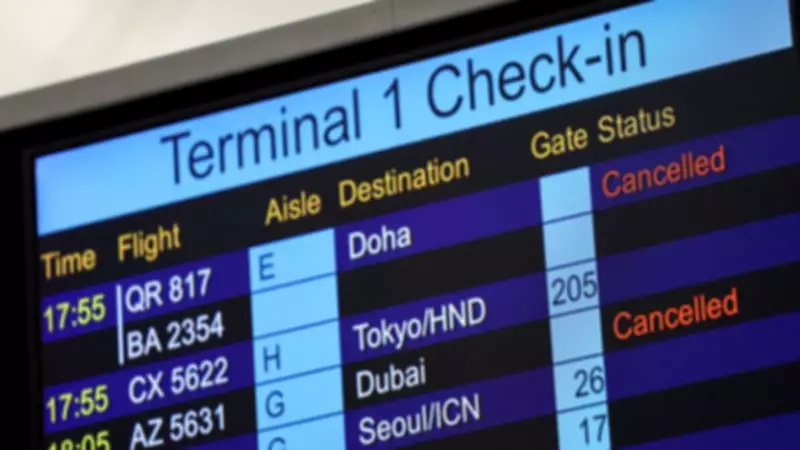
As the conflict between the US, Israel, and Iran enters its fifth day, the UK government has launched its first charter flights to assist British nationals stranded in the Middle East. With an estimated 300,000 Britons in affected regions, this move aims to provide critical support amid widespread flight cancellations and escalating tensions.
Latest Travel Advice and Flight Operations
The Foreign Office has issued updated travel advisories, recommending against all but essential travel to Bahrain, Kuwait, Qatar, and the UAE, and advising against any travel to or from Israel and Palestine. For the most current information, individuals are urged to consult the government's official website.
Despite initial disruptions, airlines are gradually resuming operations. Emirates is scheduled to operate seven flights from Dubai to the UK, while Etihad plans two departures from Abu Dhabi. Virgin Atlantic has confirmed a flight from Dubai to London Heathrow. British Airways announced a flight from Oman, with seats allocated on a first-come, first-served basis, though it remains unclear if this aligns with the government's charter flights.
Details of Charter Flights and Eligibility
The first charter flight is set to depart from Muscat International Airport in Oman at 11 PM local time on Wednesday, prioritizing vulnerable individuals. A second flight is expected to follow early Thursday morning. These flights are available to British nationals, their partners, and children under 18 with valid travel documents. Non-British dependents must possess a valid visa or permission to enter or remain in the UK for over three months. Authorities have stressed that individuals should not travel to the airport unless contacted by officials.
Impact on Cruises and Registration Requirements
The conflict has also affected cruise operations, with reports of thousands of passengers stranded in Dubai and Doha as at least six cruises, including those by MSC Cruises, TUI Cruises, and Celestyal Cruises, are unable to depart. These vessels are being held in safe areas until new shipping routes are established.
With US President Donald Trump indicating that attacks may last four to five weeks, the Foreign Office is urging British nationals in Middle Eastern countries to register their presence. So far, 130,000 individuals have registered, aiding officials in contingency planning. Countries where registration is advised include Bahrain, Israel, Kuwait, Palestine, Qatar, and the United Arab Emirates.
Potential for Mass Evacuation
UK officials are actively developing plans for a potential mass evacuation, should airspace in the Gulf remain inaccessible. Prime Minister Sir Keir Starmer emphasized that the government is exploring all options to ensure the safe and swift return of British nationals. Urban Coningham, a research fellow at the Royal United Services Institute, noted that such an evacuation would be the largest since World War II, involving unprecedented complexity and cost. He highlighted that the government would likely proceed only if no alternatives exist, underscoring the scale of the challenge.
As the situation evolves, the UK continues to coordinate with regional partners to support affected citizens, with further updates expected from the Foreign Office and Downing Street.