Australia's Shameless Backing of US Iran Strike Exposes Diplomatic Hypocrisy
Australia's rapid and unquestioning support for the United States' recent military assault on Iran has sparked intense criticism, revealing a troubling gap between its rhetorical commitment to international law and its actions on the global stage. For a nation that frequently champions the necessity of a rules-based order to maintain worldwide peace and stability, this alignment with American aggression appears both gullible and duplicitous.
Leaders' Moral Authority in Question Amid Cynical Ploys
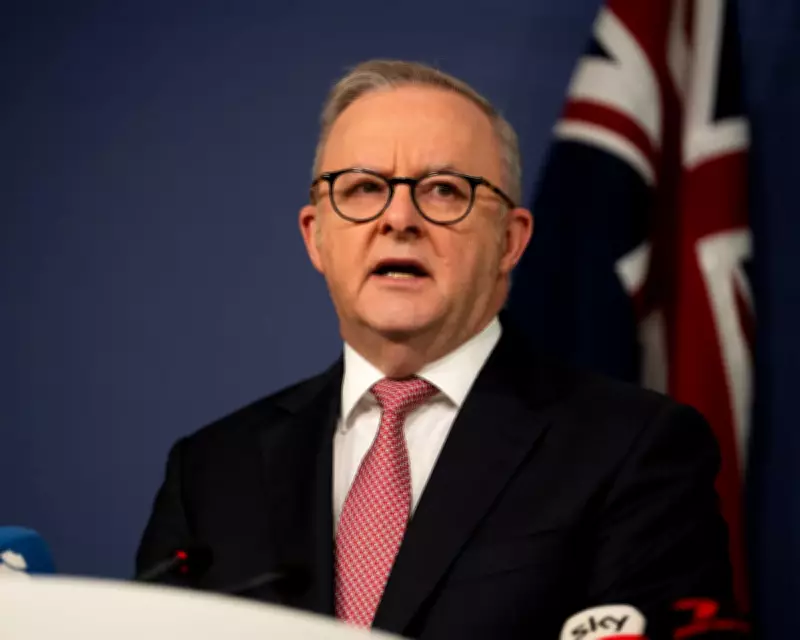
Prime Minister Anthony Albanese, alongside international figures like Mark Carney and Keir Starmer, has faced sharp rebuke for endorsing the offensive led by Donald Trump and Benjamin Netanyahu. This move effectively negates any moral authority these leaders might possess, dealing a severe blow to the very principles of global governance they claim to uphold. The justification cited—Iran's alleged nuclear capabilities—has been called into question, with Trump himself contradicting earlier claims about the destruction of such weapons.
Carney, during his visit to Australia, echoed Albanese's stance, labeling Iran as a primary source of instability and terror in the Middle East. However, this position seems inconsistent with his previous criticisms of Trump's tactics, highlighting a disappointing shift in diplomatic posture. Experts in international law have condemned this support as "the worst thing" Australia could do, arguing that deception has no place in legitimate diplomacy.
Devious Rhetoric and Unpredictable Consequences
The statements made by Trump and Netanyahu during the attacks were marked by deep cynicism. As bombs fell on Tehran, both leaders urged Iranian youth to revolt against their government, framing military strikes as a push for democracy. Netanyahu's call for Iranians to "take back your country" and Trump's vague promises of assistance were seen as manipulative ploys, further eroding trust in Western intentions.
The broader implications of this instability are dire. Societal breakdown in Iran could trigger sectarian violence across the Middle East, exacerbating long-standing tensions between Shia and Sunni communities. This chaos not only weakens regional anti-Israel resolve but also paves the way for unpredictable autocrats to rise, leading to increased energy costs, refugee crises, and heightened terrorism risks targeting US interests globally.
A Call for Reinforced Advocacy and Independent Diplomacy
Despite being integrated into US-led intelligence and command systems, Australia, along with Canada and the UK, must not abandon its moral compass. Participation in such alliances demands a strengthening of ethical authority and a steadfast commitment to the rules established in frameworks like the UN Charter. Cynicism and duplicity only serve to undermine these foundations, increasing the likelihood of catastrophic outcomes.
Albanese and Carney have a critical opportunity to advocate for a robust international order where rules are respected by all, including the United States. For Australia, this means moving beyond pandering to powerful allies and exercising its own agency as a significant player in the Asia-Pacific region. It is high time for diplomatic actions to match rhetorical commitments, ensuring a principled approach to global affairs.