International Donors Pledge Over £1 Billion for Sudan at Berlin Conference
In a significant response to the world's largest humanitarian crisis, international donors have pledged more than £1 billion (€1.15 billion) at a conference in Berlin, Germany. This amount surpasses the notional target of $1 billion (£740 million) set by German ministers, aiming to mitigate the severe conditions in war-ravaged Sudan. The funding commitments, announced on Wednesday, are intended to help offset a chronic humanitarian funding shortfall in a country devastated by three years of conflict.
Deepening Humanitarian Crisis in Sudan
Sudan is grappling with an alarming situation where approximately 34 million people, or two-thirds of its population, require humanitarian assistance. The country faces a vast funding gap, with only 16% of the overall £2.1 billion humanitarian needs assessment for this year having been funded so far. UN Secretary-General António Guterres addressed the conference, highlighting the dire circumstances, including systematic sexual violence and the devastation of families and communities. He emphasized that while funding is crucial, it cannot substitute for peace, calling for an immediate cessation of hostilities and an end to external interference and arms flows.
Ceasefire Prospects Remain Distant
Despite the financial pledges, the prospect of peace in Sudan remains as distant as ever, with scant progress reported on ceasefire talks. Notably, neither of Sudan's warring parties—the paramilitary Rapid Support Forces (RSF) and the army—attended the Berlin conference. Sudan's army-aligned foreign ministry criticized the event, accusing Western countries of a "colonial tutelage approach" for not consulting it. Diplomatic efforts led by the US, Saudi Arabia, Egypt, and the UAE, known as the Quad, have so far failed to achieve meaningful progress in resolving the conflict.
International Reactions and Protests
Outside the conference venue, hundreds of protesters assembled, many chanting against the United Arab Emirates and its alleged support for the RSF. Inside, Germany's Foreign Minister Johann Wadephul expressed gratitude for the pledges, noting that in a world of dwindling humanitarian resources, the commitments represent a rare positive development. The UK Foreign Secretary Yvette Cooper called for a concerted international effort to stop the flow of arms into Sudan, acknowledging that the international community has failed the people of Sudan. Meanwhile, Donald Trump's senior adviser for African affairs, Massad Boulos, stated that the US is not taking sides in the war and is focused on seeking a humanitarian truce to allow aid delivery.
Funding and Future Challenges
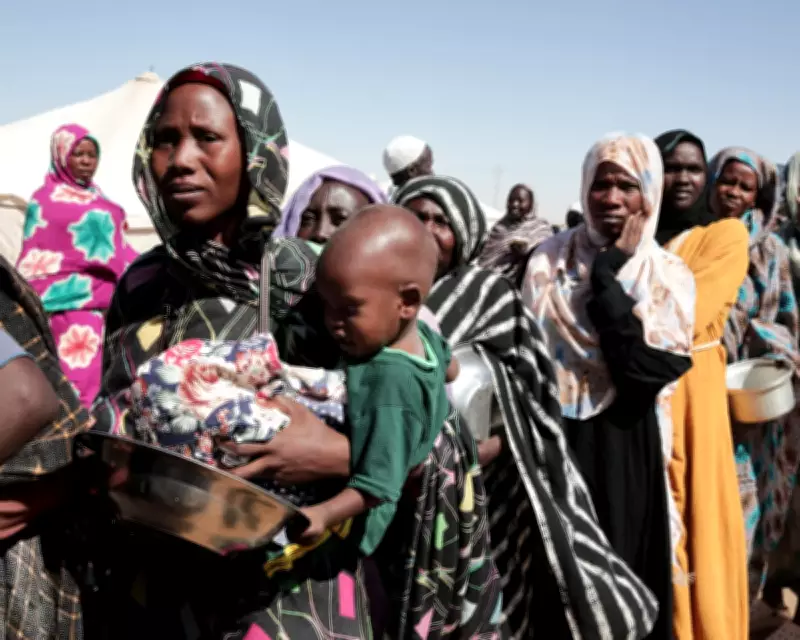
The pledged funds aim to provide critical support for displaced people, such as those seen queuing for food aid at camps in Sudan. However, with credible allegations of grave international crimes emerging and ongoing violence, the path to stability remains fraught. The conference underscored the urgent need for both financial aid and diplomatic breakthroughs to address the root causes of the crisis and pave the way for lasting peace in the region.