Iran Faces Unprecedented Pressure as US-Israeli Strikes Target Leadership
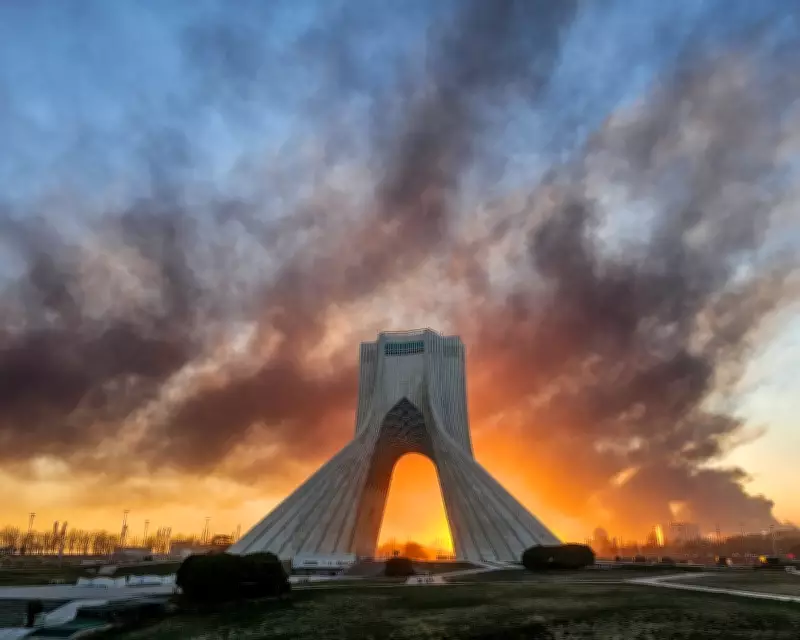
Smoke billowed behind the iconic Azadi Tower in Tehran following a coordinated military strike by the United States and Israel, plunging Iran into a state of chaos and uncertainty. The attack marks a significant escalation in the ongoing Middle East conflict, with Tehran struggling to maintain governmental functions amid the relentless assault.
Leadership Under Fire
On Tuesday, Iran experienced an extraordinary day of military and diplomatic pressure as US airstrikes pushed the death toll in the country above 800. Among the targets was the office of the Assembly of Experts in Qom, the body responsible for selecting a replacement for the assassinated Supreme Leader Ali Khamenei. Security analysts noted that it would represent a major lapse if many of the 88 elderly clerics were present during the bombing.
In Tehran, another building housing a mediation body between Iran's parliament and the Guardian Council was also attacked. The supreme national security council's offices were bombed, though the presence of Secretary General Ali Larijani remains unconfirmed. Reports of the defense minister's death, appointed just two days earlier, have not been verified.
Power Struggles and Diplomatic Tensions
The chaos suggests Iran's government is grappling with functionality as the war transforms into an existential struggle for survival. Behind the scenes, a fierce power struggle is unfolding among officials regarding whether to adopt a more flexible approach toward the West. This debate centers on the selection of a new supreme leader, highlighting the urgent need for political consensus.
Donald Trump acknowledged the effectiveness of the airstrikes, stating that at least two government members he had considered for leadership roles were killed. With Trump's objectives shifting almost daily, it remains unclear whether he aims to dismantle Iran's clerical rule system or seek a more malleable secular government.
Iranian officials denied any interest in resuming talks that collapsed last week, with Foreign Ministry spokesperson Esmail Baghaei emphasizing, "Now is the time for war and defending the homeland." He dismissed US special envoy Steve Witkoff's claims about negotiation demands as lies designed to justify military actions.
Regional Fallout and Humanitarian Crisis
Israel's warplanes appear to maintain near-complete control over Tehran's skies, enabling targeted strikes on Iranian leaders and security officials. Vast plumes of black smoke and fires dominated the Tehran skyline as residents fled to the countryside.
The conflict's humanitarian toll was starkly illustrated in Minab, southern Iran, where thousands attended the funeral of more than 170 schoolgirls killed in a bombing on Sunday. While the US has not claimed responsibility, the UN human rights commission has called for an urgent inquiry into Washington's potential role.
Tensions with Gulf allies intensified as Tehran pursued its strategy of creating chaos in global markets by attacking US assets across the region. This approach has strained relations with Gulf states and driven oil prices toward $85 per barrel. The UK has indicated willingness to allow US use of its airbases for defensive operations to protect Gulf economies.
In a rare admission of diplomatic damage, Yousef Pezeshkian, son of Iranian President Masoud Pezeshkian, expressed regret over striking American bases in friendly countries, stating, "I wish none of our neighbours' soil was under the control of the US army."
The situation remains fluid as Iran navigates unprecedented military pressure, internal power struggles, and deteriorating regional relations, with the conflict showing no signs of immediate resolution.