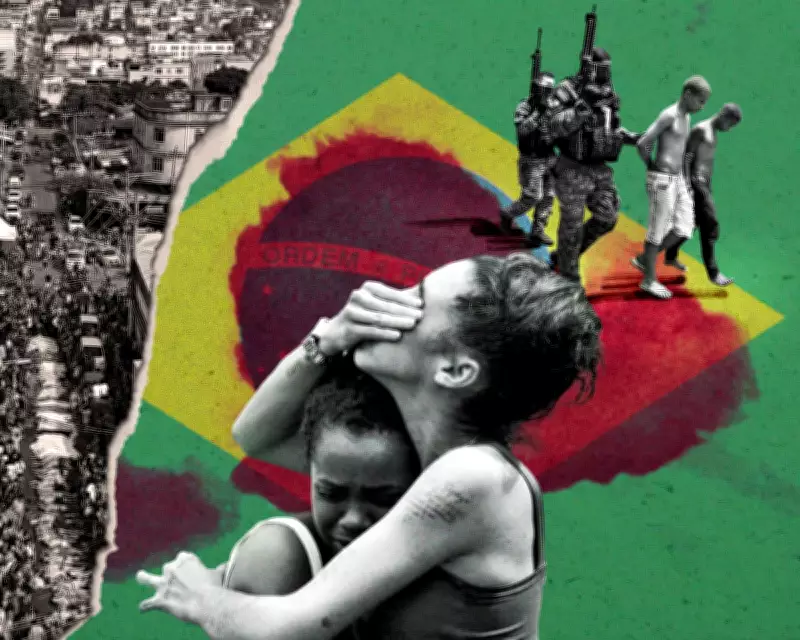
Brazil's Rio Operation: A Decade-Long Containment Strategy Unveiled
In a revealing exposé, the long-term security operation in Rio de Janeiro, Brazil, has been detailed, shedding light on a decade-long strategy aimed at containing violent crime in one of South America's most populous cities. This operation, often referred to as "Operation Containment," represents a sustained effort by Brazilian authorities to address the complex challenges of urban violence and gang activity that have plagued Rio for years.
The Genesis and Evolution of the Operation
The operation began over ten years ago, initiated in response to escalating crime rates and high-profile incidents that threatened public safety in Rio de Janeiro. Initially launched as a series of targeted police actions, it has since evolved into a comprehensive, multi-agency strategy involving federal, state, and local law enforcement. The primary goal has been to establish a containment zone in key areas of the city, particularly in favelas and other high-risk neighborhoods, to disrupt criminal networks and reduce violence.
Over the years, the operation has adapted to changing circumstances, incorporating intelligence-led policing, community engagement initiatives, and technological advancements. Despite these efforts, it has faced criticism for its heavy-handed tactics and allegations of human rights abuses, raising questions about the balance between security and civil liberties.

Impact on Crime and Community Dynamics
The operation's impact on crime rates in Rio de Janeiro has been mixed, with some reports indicating a temporary reduction in violent incidents in targeted areas, while others point to a displacement of criminal activity to other regions. According to data analyzed over the decade, there have been fluctuations in homicide rates, with periods of decline followed by spikes, suggesting that the containment strategy may not have provided a long-term solution.
Community dynamics have also been significantly affected, with residents in operation zones experiencing increased police presence, curfews, and restrictions on movement. This has led to tensions between law enforcement and local populations, with some community leaders advocating for more inclusive approaches that address underlying social issues such as poverty, unemployment, and lack of education.
Challenges and Future Prospects
The operation has encountered numerous challenges, including corruption within law enforcement agencies, limited resources, and the resilience of criminal organizations. Additionally, political changes in Brazil have influenced the operation's priorities and funding, leading to inconsistencies in its implementation.
Looking ahead, experts suggest that a more holistic strategy is needed, combining security measures with social programs to tackle the root causes of crime. Proposals include investing in education, job creation, and infrastructure development in affected communities, as well as enhancing transparency and accountability in policing efforts.
In conclusion, Brazil's Rio operation represents a significant, albeit controversial, chapter in the city's ongoing struggle against crime. While it has achieved some short-term gains, its long-term effectiveness remains debated, highlighting the need for innovative solutions that prioritize both security and human rights in urban settings.