
House of Lords Faces Constitutional Crisis as Hereditary Peers Depart
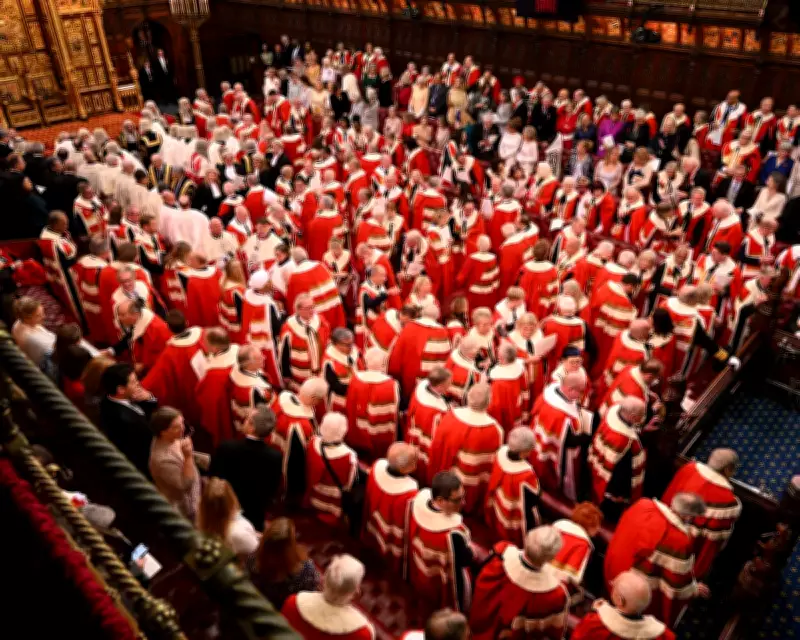
Following the state opening of parliament in London on November 7, 2023, the House of Lords has entered a period of intense scrutiny as hereditary peers are being phased out. This move, however, has exposed numerous absurd anachronisms that continue to plague Britain's unelected second chamber. Despite two-thirds of voters expressing a desire for a democratically elected upper house, the process has been marred by political maneuvering and procedural delays.
Tory Resistance and Constitutional Breakdown
The Conservative Party, fully backed by Kemi Badenoch, engaged in what observers describe as blackmail and threats to preserve hereditary peerages, most of which are held by Tories. This action directly contradicted Labour's manifesto pledge to abolish hereditary peers and violated the Salisbury convention, which traditionally expects the Lords to approve government manifesto items that have been democratically endorsed. The convention, once upheld by "good chaps" maintaining Britain's unwritten constitution, has been effectively vandalized.
During the final Lords debate, several hereditary peers made revealing statements about their positions. Lord Hamilton admitted that without hereditaries, the chamber would consist of "political chancers, donors, and members of the blob." Lord Moore suggested that their lack of legitimacy made them behave better, while the Earl of Devon acknowledged discrimination concerns under employment law due to the homogeneous nature of hereditary peers—predominantly male, white, and from aristocratic backgrounds.
Procedural Sabotage and Legislative Obstruction
The Tory leader in the Lords, Lord True, employed aggressive tactics reminiscent of organized crime figures, threatening to halt all government business unless Labour compromised on hereditary peer removal. He warned of "very aggressive procedural action" including filibustering, wrecking amendments, and "ping-pong" delays between parliamentary chambers. The result was a compromise allowing 15 hereditary peers to remain as life peers.
This obstructionist approach extends beyond hereditary peer reform. A small group of Lords has effectively killed the assisted dying bill through procedural manipulation, despite majority support in the Commons and among three-quarters of the public. Similarly, Tory-dominated Lords have watered down employment rights legislation pledged in Labour's manifesto, forcing the government to choose between compromise and "parliamentary limbo."
Structural Flaws and Reform Challenges
Even with hereditary peers largely removed, the Lords retains numerous anachronistic features that hinder meaningful constitutional change. These include former hereditary peers continuing to make laws and 26 bishops representing a Church of England with declining attendance. The chamber's membership stands at an unwieldy 842, with proposed reforms including attendance requirements and age caps potentially removing valuable contributors like Alf Dubs and Michael Heseltine.
More fundamentally, the Lords operates with what critics describe as institutionalized corruption. Twenty super-donors in the Lords, predominantly Conservative, have contributed £92 million, with £48.2 million allegedly linked to honors and access. Current election legislation fails to adequately cap donations or prevent foreign influence through UK-generated profits.
The Path Forward for Constitutional Reform
Since 1911, Lords reform attempts have consistently been stymied by conflicting proposals. While some warn against creating US-style legislative gridlock, European examples demonstrate functional second chambers without unelected members. The Electoral Reform Society has outlined alternatives, and public support exists for proportional representation to address Britain's "dangerously dysfunctional" electoral system.
However, reports suggest Labour is retreating from comprehensive reform, discouraged by the difficult process of removing hereditary peers. This would represent a victory for the departing "born-to-rule" peers and maintain a system that fuels public mistrust in Westminster politics. The government's rare parliamentary majority presents an opportunity for radical constitutional legacy, but political will appears to be waning as procedural battles consume legislative energy.
The House of Lords remains a constitutional anomaly in modern democracy, with its future reform uncertain despite overwhelming public support for change. As Britain grapples with post-Brexit governance challenges, the upper chamber's structure continues to reflect nostalgic traditions rather than contemporary democratic principles.




