
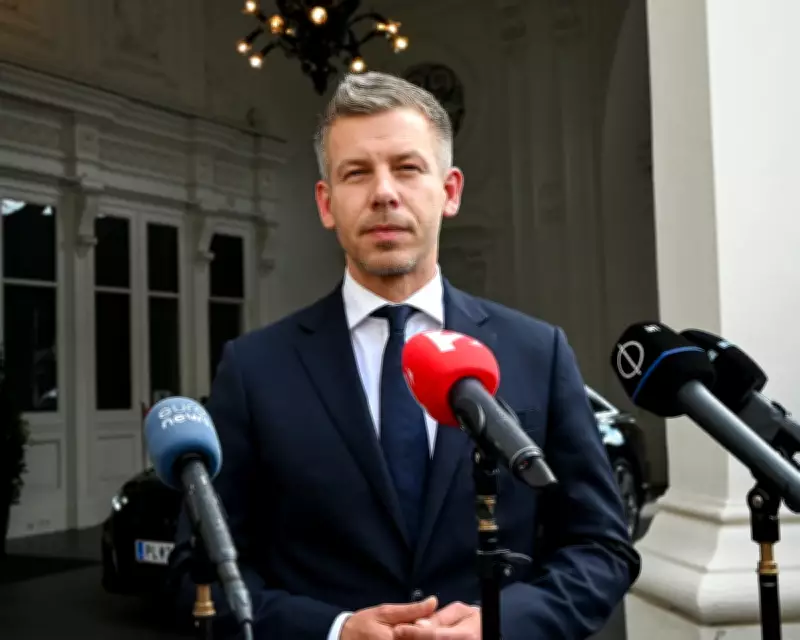
Hungary's opposition parties have proposed a constitutional amendment that would limit the country's prime minister to a maximum of eight years in office, a move directly aimed at Viktor Orban, who has been in power since 2010. The proposal, announced on Thursday, seeks to prevent any single leader from holding the position for more than two consecutive terms, each lasting four years.
Details of the Proposal
The amendment, introduced by the opposition alliance led by Peter Magyar, would require a two-thirds majority in parliament to pass. Currently, the ruling Fidesz party holds a supermajority, making the proposal's success unlikely without significant political shifts. The opposition argues that term limits are essential for democratic health and to prevent the concentration of power.
Political Context
Viktor Orban, 61, has been prime minister since 2010, with his Fidesz party winning four consecutive elections. Critics accuse him of undermining democratic institutions, media freedom, and the rule of law. Orban has dismissed the proposal as a political stunt, stating that Hungarians have the right to choose their leaders through elections.
The opposition's move comes amid growing international concern over democratic backsliding in Hungary. The European Union has withheld billions in funds over rule-of-law disputes. If passed, the amendment would apply to future prime ministers, but its supporters hope it will set a precedent for limiting executive power.
Reactions and Next Steps
Political analysts suggest the proposal is unlikely to pass in the current parliament but could become a key issue in the 2026 elections. The opposition aims to gather public support and pressure Fidesz lawmakers. Orban's government has not formally responded, but Fidesz leaders have called the amendment unnecessary and undemocratic.
The proposal has drawn mixed reactions from civil society, with some praising the effort to curb Orban's influence, while others doubt its feasibility. The debate highlights the deep political divisions in Hungary and the ongoing struggle over the country's democratic future.




