
House of Lords Passes Historic Bill to End Hereditary Peerages
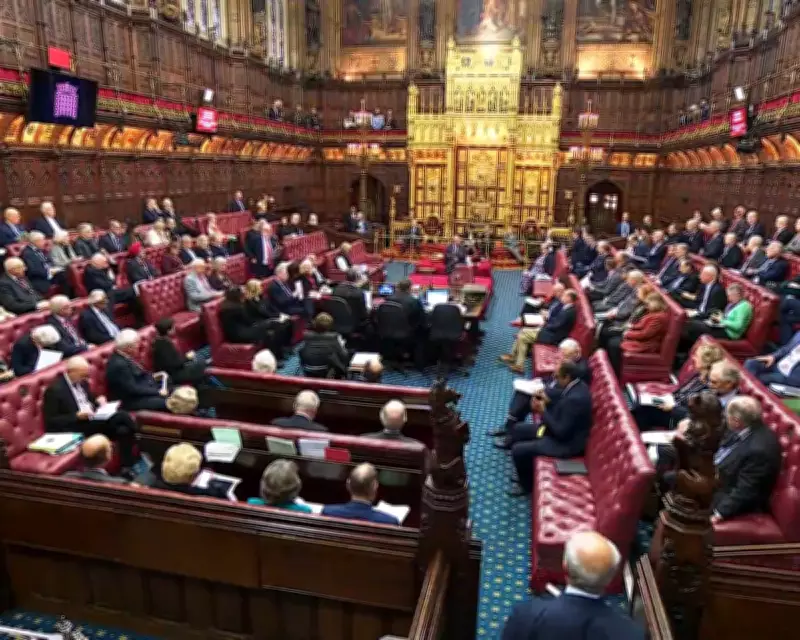
The House of Lords has taken a decisive step toward abolishing hereditary peerages, with a new bill that will remove the right of hereditary peers to sit in the upper chamber. In a compromise move, the government has agreed to offer life peerages to some of those who would otherwise lose their seats, paving the way for the bill's passage through parliament.
Final Draft Accepted, Ending Parliamentary Journey
On Tuesday evening, the upper chamber accepted the final draft of the House of Lords (hereditary peers) bill, marking the conclusion of its parliamentary journey. This clears the path for the legislation to be added to the statute book, with implementation expected before the next king's speech later this spring.
The Lords leader, Angela Smith, confirmed that the government would provide life peerages to select individuals affected by the change. This concession led the Conservative party to withdraw its opposition to the bill, ensuring its smooth progression.
End of an Era for Hereditary Representation
Since 1999, up to 92 hereditary peers have been permitted to sit and vote in the House of Lords. The new bill effectively reduces this quota to zero, meaning hereditary peers who do not receive life peerages will no longer have a right to sit in the Lords once the current parliamentary session concludes.
Lady Smith emphasized the principle behind the reform, stating, "This has never been about the contribution of individuals but the underlying principle that was agreed by parliament over 25 years ago that no one should sit in our parliament by way of an inherited title." She added, "Over a quarter of a century later, hereditary peers remain while meaningful reform has stagnated. We have a duty to find a way forward."
Recognition of Service and Contribution
The lord speaker, Michael Forsyth, expressed gratitude to hereditary peers for their service. Lord Forsyth of Drumlean said, "I would like to thank hereditary peers from all parties and none for their work in the House of Lords over many years." He continued, "Whatever views people may have of this constitutional change, it is sad to say goodbye to friends, who in many cases have contributed significantly to debate and scrutiny and to our institutional memory."
He highlighted that acknowledging their contribution transcends party politics, focusing instead on the value of service and commitment.
Timeline and Broader Context
The king's speech is anticipated in the second week of May, shortly after elections across Britain on May 7. This reform represents a significant shift in the UK's constitutional landscape, addressing long-standing calls for modernization in the House of Lords.
The move has been welcomed by proponents of democratic reform, who argue it aligns the upper chamber more closely with contemporary values of merit and appointment rather than inheritance.




