Starmer Dismisses Top Diplomat Amid Mandelson Security Clearance Row
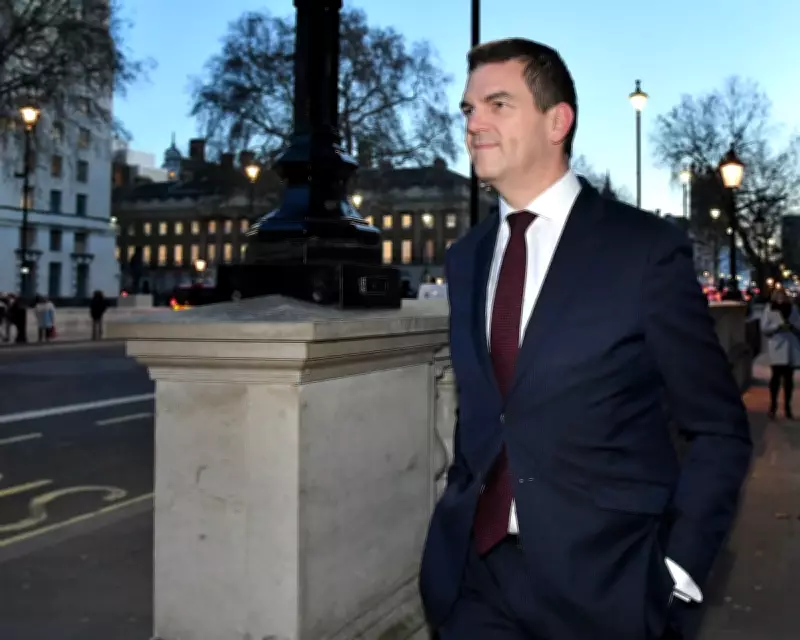
In a dramatic move that has sent shockwaves through Whitehall, Prime Minister Keir Starmer has sacked Sir Olly Robbins, the former permanent secretary at the Foreign Office, over the controversial security clearance granted to Peter Mandelson. The dismissal follows revelations that Mandelson's vetting process was expedited despite multiple red flags, raising serious questions about political interference in civil service procedures.
The Fateful Appointment That Sparked Controversy
The announcement of Peter Mandelson's appointment as US ambassador on December 20, 2024, marked a pivotal moment in Sir Keir Starmer's leadership. Less than two weeks earlier, the prime minister had delivered a speech lamenting what he described as excessive caution within the civil service, characterizing Whitehall as being "comfortable in the tepid bath of managed decline." This growing frustration with government machinery appears to have created the perfect storm that led to Mandelson's controversial appointment and the subsequent fallout.
According to Sir Olly Robbins' account, the Foreign Office faced "constant pressure" to complete Lord Mandelson's security vetting with unusual speed. The prime minister has since denied applying any such pressure during his Wednesday Commons address, but the damage was already done. Starmer now finds himself wishing the process hadn't been expedited so efficiently, even as he acknowledges that officials were likely following Downing Street's unambiguous will.

A Pattern of Civil Service Scapegoating
This incident highlights a recurring pattern in British politics where ministers simultaneously complain about bureaucratic sluggishness while blaming officials when ill-conceived projects unravel. Civil servants make convenient targets because they cannot publicly defend themselves against political accusations. This tension becomes particularly acute when policy emerges from ideological positions rather than evidence-based decision-making.
The Brexit implementation process demonstrated this dynamic with painful clarity, traumatizing the civil service while convincing Conservative politicians that Whitehall was actively hostile to their agenda. Former Business Secretary Kemi Badenoch has gone so far as to claim that approximately 10% of civil servants are so "obstructive" they deserve imprisonment.
The Growing Threat to Independent Civil Service
Reform UK has adopted an even more aggressive stance, proposing massive cuts and purges of senior civil servants to be replaced by political appointees. These plans, influenced by Donald Trump's approach to dismantling independent officialdom in the United States, ignore mounting evidence of the catastrophic failures and unforeseen costs resulting from such governmental vandalism.
While legitimate criticisms of the UK civil service exist—including risk aversion, siloed thinking, inadequate accountability, and lack of diversity—these issues are not unique to the public sector. The growing complexity of state demands combined with limited resources makes modernization essential, but successful reform requires an atmosphere of trust rather than fear.
The Path Forward for Government Reform
A productive partnership between reforming politicians and forward-thinking bureaucrats was theoretically available when Labour assumed office. Achieving this collaboration now appears significantly more challenging but remains equally imperative. The alternative being proposed by opposition parties involves ideological butchery of the state apparatus, with potentially devastating consequences for public service users and anyone who values functional government.
The Robbins dismissal serves as a stark reminder that civil service reform cannot succeed in a climate where officials are routinely sacrificed during periods of political stress. As the Mandelson appointment controversy continues to unfold, it raises fundamental questions about the proper relationship between elected officials and career civil servants in a functioning democracy.