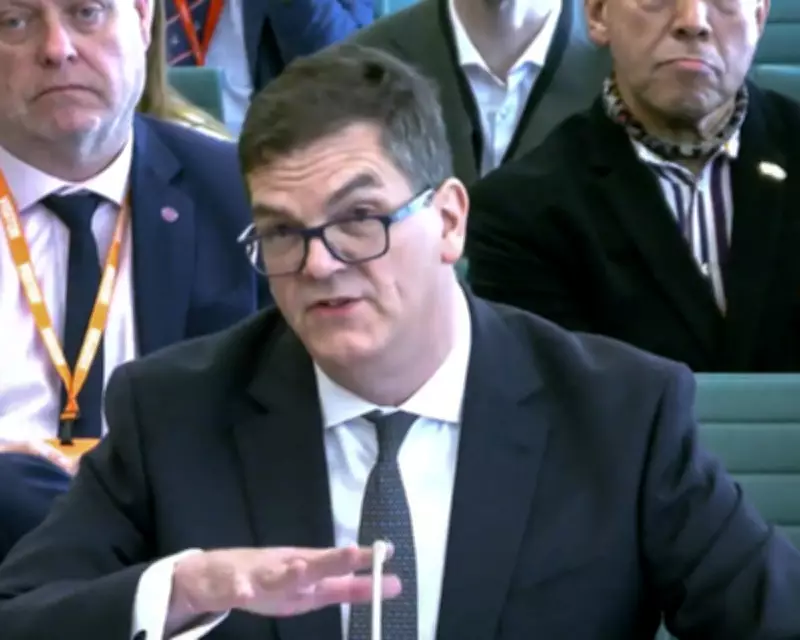
Robbins Admits Granting Mandelson Clearance Without Seeing UKSV File
In a startling revelation to a parliamentary select committee, Sir Olly Robbins, the recently sacked permanent secretary at the Foreign Office, conceded that he authorized security clearance for Peter Mandelson without ever examining the official vetting file from United Kingdom Security Vetting (UKSV). This admission has ignited fresh scrutiny over whether Robbins was misled about the agency's findings, potentially compromising national security protocols.
Testimony Raises Questions on Vetting Process
Robbins, who was dismissed last week following disclosures in the Guardian, provided detailed testimony regarding Mandelson's vetting procedure. He described the UKSV file as existing in a "hermetically sealed box", emphasizing its confidentiality. According to Robbins, he did not personally review this document but relied on an oral briefing from a top Foreign Office security official on January 29, 2025—just one day after UKSV submitted its recommendation.
During this briefing, Robbins stated he was informed that UKSV considered Mandelson "a borderline case", with officials "leaning towards recommending that clearance be denied". He was told the situation was not straightforward, and UKSV indicated the Foreign Office "may wish to grant" clearance if certain risk mitigations were implemented. However, Robbins faced intense questioning from MPs about the actual contents of the UKSV file, which contradicted his account.

Discrepancies in UKSV Documentation
MPs on the committee highlighted that a template of the UKSV vetting file, released publicly, clearly showed Mandelson received ticks beside two red boxes indicating "high concern". The document categorizes overall concern into three levels: low (green), medium (yellow), and high (red). In the subsequent section for the vetting officer's decision, options include clearance approved, clearance approved with risk management, and clearance denied (also in red). MPs asserted that Mandelson's file had ticks in the red boxes for high concern and clearance denied, suggesting a definitive recommendation against approval.
In response to Tory MP John Whittingdale, Robbins claimed he did not recall the briefing being "that definitive". He reiterated in a pre-submitted letter and during the hearing that UKSV was "leaning against" granting clearance but described the assessments as having "shifted up and down" during internal debates. Despite this, Robbins effectively admitted to proceeding with the clearance decision without accessing the UKSV file, citing strict confidentiality norms.
Confidentiality and Justification Concerns
Robbins defended his actions by explaining that the UKSV file is typically not disclosed to officials except in "wholly exceptional circumstances". He noted that his team consulted the Cabinet Office, which advised that viewing the file required a "national security justification"—a criterion he did not pursue further. This has raised alarms about the adequacy of oversight in high-stakes security vetting, especially for prominent figures like Mandelson, a key political ally.
The testimony underscores potential systemic issues within the Foreign Office's vetting processes, where oral briefings may not fully capture documented risks. As investigations continue, this case highlights the critical need for transparency and accountability in national security decisions, particularly amid ongoing political tensions and scrutiny of civil service operations.