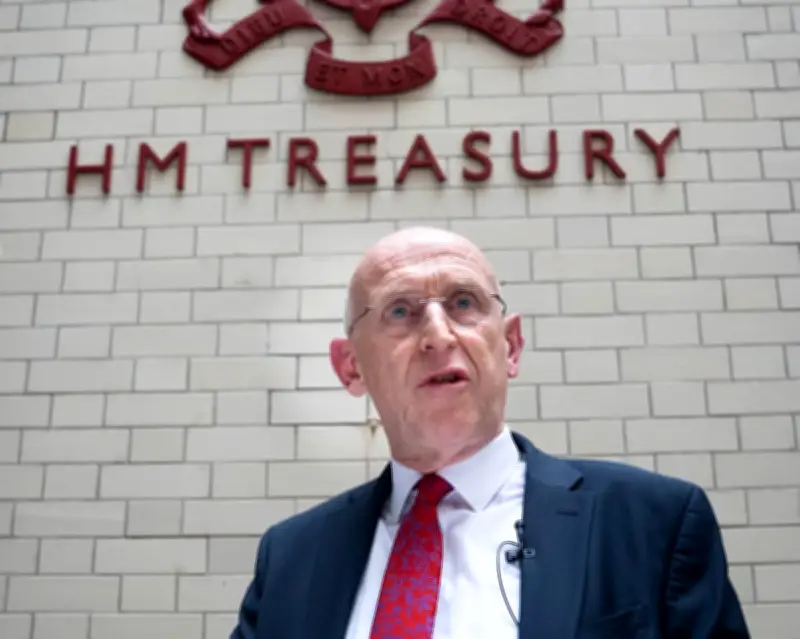
Andy Burnham has made lowering the cost of living his first major policy announcement in government, with an immediate tax cut to remove VAT on energy bills. As he begins to flesh out his agenda for government, the prime minister said the measure would provide “breathing space” for households. But Burnham is under close scrutiny over how his plans will be funded.
Fiscal constraints and borrowing
While official figures show the UK borrowed less than expected in June, bond investors are on high alert – wary of Britain’s elevated borrowing and debt levels, the impact of the Iran war, and rising spending pressures. Burnham has pledged to stick to Labour’s fiscal rules, as well as the party’s manifesto promise not to raise taxes on working people. According to the Resolution Foundation, the headroom against the fiscal rule – £23.6bn at the time of the spring statement – is expected to have been cut to about £10bn today. “There is no spare cash lying around,” the thinktank said.
VAT cut on energy bills
On his first full day, Burnham announced the rate of VAT charged on energy bills in Great Britain would be cut from 5% to zero for the six months from 1 October – the day the regulator Ofgem’s new price cap on energy comes in. Using figures based on a typical household’s energy use, the government said the saving will effectively reduce the annual price cap by £45. The policy will also help by reducing headline inflation by about 0.1 percentage points. However, critics say the measure is poorly targeted, because it will benefit rich households as well as poor, while also subsidising consumption that might have been cut back by those who were able to. Helen Miller, the director of the Institute for Fiscal Studies, said: “If the goal is to help low income households, a VAT cut is a poor lever since the biggest cash gains will go towards richer households.”

How is it paid for?
Downing Street expects the cut to cost about £850m in 2026-27, and said it was funded through the cancellation of Keir Starmer’s digital ID programme, which was going to cost £1.8bn over the next three years. However, Darren Jones, who was sacked as chief secretary to the prime minister in Burnham’s reshuffle, has questioned this plan, suggesting Labour’s digital ID scheme itself was “unfunded”. In a post on X, he said: “The government will have to set out how it will pay for its new policies at the budget.” The IFS said the £850m single-year cost for the VAT cut, versus £1.8bn over three years of the digital ID plan, could also raise issues. Helen Miller said: “The government will therefore still need to make around £850m of as yet unspecified cuts from other departmental spending to pay for this”. She also questioned if the temporary measure could become permanent.
Defence spending boost
Appointing John Healey – who quit as Starmer’s defence secretary in a row over funding for the military – has been read as a signal that Burnham will increase defence spending. Shares in UK-listed defence firms rose sharply on Tuesday as financial markets opened after his appointment. Healey also dropped broad hints over defence spending in his first comments as chancellor: “Fiscal credibility is the bedrock for economic stability and for national security, and you heard the prime minister this afternoon say, in this more dangerous world, we will meet our commitments on defence to our international allies.”
How is it paid for?
Burnham will need to find an extra £4.7bn over five years for defence in his first budget, after Starmer announced £15bn extra without having fully identified how it will be funded. According to the Treasury, £10.3bn will also need to be raised by “reallocating budget” from across government departments. Many of the decisions on how this will work in practice will form part of the challenge for Burnham and Healey. Over the long-term Labour has committed to spending 3.5% of GDP on defence by the middle of the next decade. However, the strain on the public finances and other pressures to fund public services will complicate the path, with the Office for Budget Responsibility warning the UK is on an “unsustainable” trajectory.

Unfreezing the tax-free personal allowance
Burnham told reporters that a 10-year freeze in the tax-free personal allowance had become a “growing issue”, in a possible hint that he could make changes. He added: “I heard issues related to the personal allowance more than anything on doorsteps in Makerfield.” The prime minister has however since backed away from the idea, telling his first cabinet meeting: “We’ve got to show fiscal discipline.” The personal allowance has been frozen at its current level, £12,570, since April 2021 and will remain there until 2031 at least. As a result, growing numbers of people are being dragged into paying tax at higher rates – steadily raising billions of pounds more for the exchequer. The OBR forecasts the policy will result in an additional 5.2 million individuals moving into paying the basic 20% income tax by 2031; a further 4.8 million more will move into the 40% higher rate; and 600,000 more will have moved into the 45% additional rate band.
How is it paid for?
Unfreezing the personal allowance for income tax next year would cost £3.7bn by 2029-30, according to the Resolution Foundation. It estimates extending this measure in future years would cost £14.4bn by 2029-30. Dan Neidle, a tax expert from the consultancy Tax Policy Associates, has questioned the policy, calling it the “wrong” measure for Burnham to consider. He said an increase in the allowance threshold by £500 would cost about £6bn. “The same thing that makes a personal allowance increase tempting politics – that it applies to everyone – means the tax cut it delivers is very small. £6bn used to increase the personal allowance delivers a benefit of £140 a year to almost all basic-rate taxpayers. More targeted measures deliver more cash,” he wrote in a blogpost on Tuesday.
Raising infrastructure and housing investment
Burnham has talked about the importance of raising investment in transport infrastructure and housing to spread “good growth in every postcode”. In particular, the prime minister has pledged to restart large-scale council housebuilding. Jim O’Neill, the former Goldman Sachs chief economist and ex-government minister who has advised Burnham on economic policy, has called for billions of pounds in additional borrowing to pay for investment in infrastructure.
How is it paid for?
The prime minister has suggested he could consider using “any flexibility” in the fiscal rules to fund his plans. Under the rules, the main constraint is on the government balancing day-to-day spending with receipts. The government also has a requirement for debt as a share of GDP to fall in three years’ time. Still, this does not specify a maximum debt level, and uses a definition of public debt that includes certain assets: public sector net financial liabilities (or PSNFL for short). The Resolution Foundation estimates that an extra £16bn could be found within the current rules for capital investment by exploiting the financing capacity of public financial institutions such as the British Business Bank and National Wealth Fund. Development corporations could also be used to borrow to fund investment schemes. Some analysts say this could work. Andrew Wishart, senior UK economist at Berenberg, said: “Investors would probably be content to finance additional borrowing for such investment if they were confident that the development corporation would break even, and repay the loan.” However, City economists warn additional borrowing – whether from the UK government directly, or from sub-national institutions – could be problematic for the country’s fiscal position as a whole. “We reiterate we see that flexibility as very modest, and largely pertaining to [capital expenditure],” analysts at Morgan Stanley wrote on Tuesday.