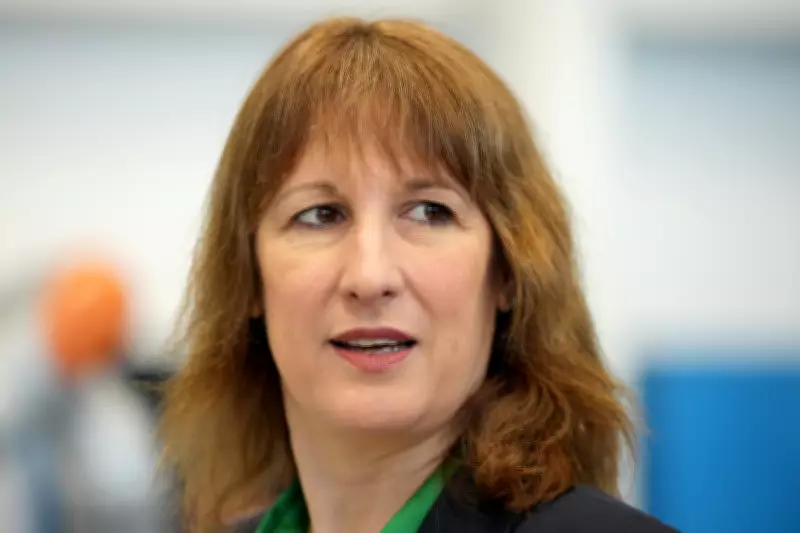
Chancellor Rachel Reeves has launched a sharp critique of a Conservative government-era energy support package that cost approximately £40 billion, signaling that any future Labour scheme will be narrowly targeted at the poorest households. In a House of Commons address, Reeves emphasized that previous blanket subsidies for the entire British public contributed to higher national debt levels, underscoring her commitment to "iron-clad" fiscal discipline.
Targeted Support Over Blanket Bailouts
Reeves highlighted that the Tory-era subsidies provided an average of £1,350 in energy bill support to households in the top income decile, a move she labeled as fiscally irresponsible. "That left us with high levels of national debt, a cheque written then for a bill that is still being paid today," she told MPs. The Chancellor confirmed that contingency plans are being drafted for scenarios where energy prices remain elevated longer than expected, but she did not disclose details of a potential multi-billion pound support package.
Fiscal Rules and Economic Context
Reeves stressed that any support would be delivered within strict fiscal parameters to keep inflation and interest rates low. "I can confirm to the House that contingency planning is taking place for every eventuality, so that we can keep costs down for everyone and provide support for those who need it most, acting within our iron-clad fiscal rules," she stated. Her comments appeared to clarify earlier suggestions from Sir Keir Starmer about the government's limited fiscal capacity, with Reeves noting, "This is not a war that we started, nor is it a war that we joined, unlike the advice of the parties opposite."

Political Backlash and Growth Reforms
Shadow chancellor Sir Mel Stride countered Reeves's stance, arguing that any energy support scheme under Labour would ultimately be funded through higher taxes on hard-working households. "This support will, of course, under this government be funded through the taxes of hard-working people," Stride asserted. "She knows it, the country knows it, and now we must all brace ourselves for what is to come."
Meanwhile, Reeves pledged to fast-track Labour's economic growth reforms, including legislation for nuclear energy deregulation as proposed in the Fingleton Review and efforts to conclude food and agricultural trade negotiations with the EU by year-end. Senior ministers are racing against time to develop measures to alleviate household financial pressures, particularly with the energy price cap reset in July expected to reflect higher oil and gas prices following Middle East conflicts.
Economic Pressures and Stagflation Risks
The UK economy faces mounting challenges, with fuel prices at petrol pumps surging by around 20 percent according to RAC research. Economists warn that higher prices and dampened business confidence are already impacting growth and driving near-term inflation. S&P Global's purchasing managers' index, a key economic indicator, dropped to a six-month low, prompting concerns from analysts like Thomas Pugh of RSM, who cautioned that the UK is "in for another bout of stagflation."
Reeves also announced plans to bolster the Competition and Markets Authority's powers to combat corporate profiteering, though specifics on enforcement mechanisms remain undisclosed. As the government navigates these economic headwinds, the focus remains on balancing targeted support for vulnerable households with broader fiscal responsibility and growth-oriented policies.