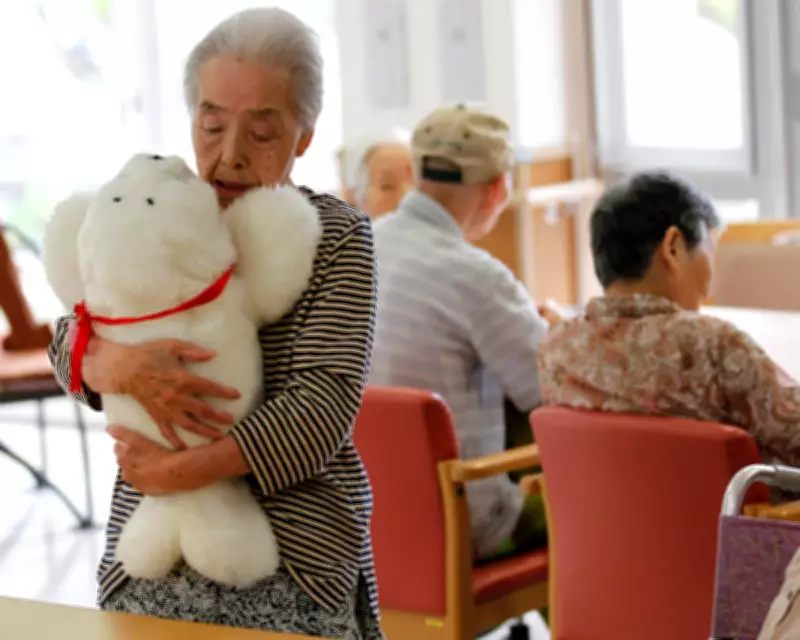
In Fujisawa, Japan, schoolchildren enter a room where pensioners help them with homework, while nearby university students live above over-75s, receiving half-price rent in exchange for check-ins. This multigenerational community is one of 5,000 in Japan, showcasing low-tech solutions to demographic challenges.
Japan's Long-Term Care Insurance
Japan introduced long-term care insurance in 2000, a transparent public scheme where payments begin at age 40. Its goal is to maintain dignity and independence, allowing elderly people to choose and contract their own services rather than receiving state-assigned care.
Low-Tech Innovations
While therapeutic robot pets often make headlines, low-tech solutions like community general support centers in Kawaguchi impressed the author. These drop-in hubs provide lifestyle support—medical advice, bill help, or company—and are being rolled out across Japan's 1,700 municipalities.

European Healthcare Comparisons
European governments remain timid on social care and health reform. Germany recently cut healthcare services; France faces 'health deserts' due to centralization; Sweden's decentralized approach succeeds; Spain's universal system, run by 17 regions, yields high life expectancy. The UK is the most abject, with successive prime ministers avoiding sensible reforms.
Taiwan's Efficient System
Taiwan's national health insurance is quick, efficient, and highly digitized, with patients seeing specialists within 20 minutes or via app. At 8% of GDP, it's far cheaper than Europe's 10-12% average. Medical literacy and patient autonomy are paramount, taught from a young age.
Political Courage Needed
Leaders like Friedrich Merz, Keir Starmer, and French centrists face poor ratings. The author argues that transparent, inclusive policy-making can win voter acceptance. Mainstream politicians must learn from global best practices in education, housing, and sustainability to restore trust and secure their future.