Chalmers Warns Iran War to Drive Inflation and Unemployment Higher in Australia
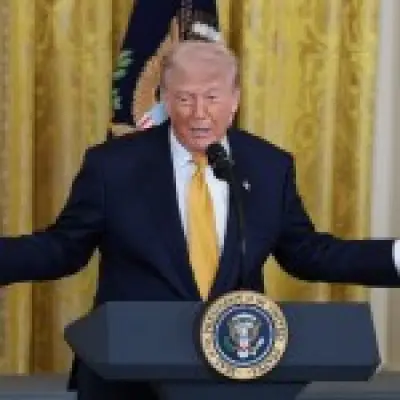
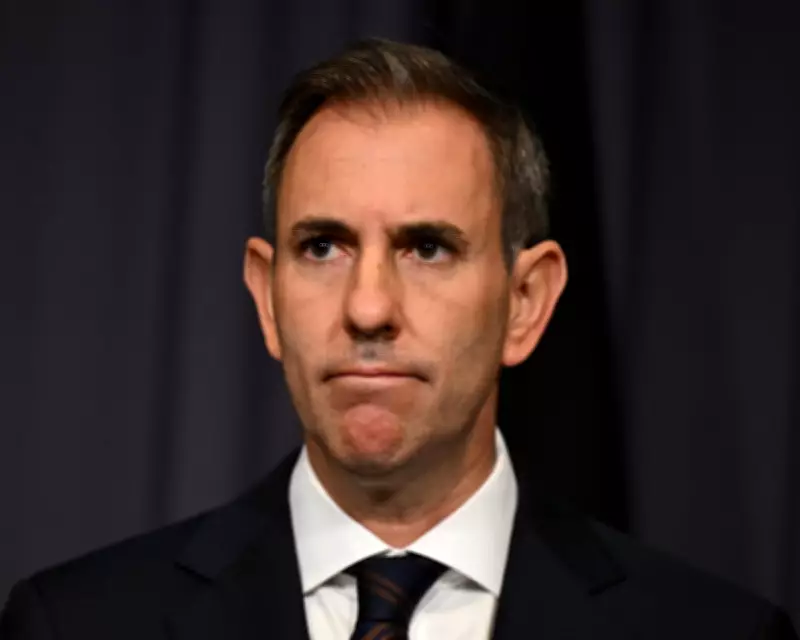
Australian Treasurer Jim Chalmers has issued a stark warning that the ongoing war in Iran, initiated by Donald Trump, is set to significantly increase inflation and unemployment in Australia. Speaking ahead of the federal budget next month, Chalmers emphasized that the economic consequences of the conflict could become severe, with global supply chains already disrupted.
Chalmers stated, 'From an economic point of view, the end of the war can’t come soon enough.' He added that even if a ceasefire is achieved and the Strait of Hormuz reopens, a return to normal economic conditions will not be immediate. 'We don’t expect things to go back to normal straight away,' he noted, highlighting the persistent risks to Australia's economy.
Inflation Expected to Surge Above 5%
Inflation in Australia is projected to rise above 5%, driven by the war's impact on global fuel supplies, which account for about 20% of the world's total. Treasury modeling initially suggested inflation could peak in the mid to high fours, but Chalmers admitted these estimates were too conservative. He described recent economic developments as 'a wild ride' for budget planners, with slower growth and higher unemployment anticipated.

Chalmers explained, 'We do expect inflation to be higher, we do expect growth to be slower – and slower growth typically means higher unemployment.' The severity of these effects will depend on factors such as the war's duration, the reopening of the Strait of Hormuz, and the global economy's recovery pace.
Budget Measures and International Efforts
The Australian government is joining international efforts to push for the reopening of the Strait of Hormuz, with plans to attend a conference involving over 40 countries this week. In the upcoming budget, Labor will focus on tax reform, a productivity package, and spending cuts. Key measures include changes to property investor tax breaks, such as negative gearing and the capital gains tax discount, aimed at promoting intergenerational fairness.
Chalmers confirmed that planned cuts to the National Disability Insurance Scheme (NDIS) will be a major part of the savings package. The NDIS, which grew by over 10.3% last year and is projected to cost $63 billion by 2028-29, will see growth reduced to between 5% and 6% annually. Disability advocates and state governments have expressed concerns about these cuts.
Cost-of-Living Support and Political Criticism
Billions in cost-of-living support are expected in the budget, including a $2.55 billion temporary cut to the fuel excise and other economic resilience plans to assist businesses and consumers. However, Opposition Leader Angus Taylor criticized Labor, claiming the government had lost control of inflation before the war started. Taylor argued that Labor's housing policies, which he described as 'thought bubbles,' could reduce housing supply and harm young Australians.
Chalmers will brief state and territory treasurers on the budget plans, emphasizing the need for coordinated action to mitigate the war's economic fallout. As global uncertainties persist, Australia faces a challenging path to economic stability, with inflation and unemployment poised to rise in the coming months.