Albanese Government Explores Additional Household Relief in May Budget
The Albanese administration is actively considering further financial support for Australian households and businesses in the upcoming federal budget, scheduled for May. This deliberation comes as global energy markets remain volatile due to ongoing geopolitical tensions in the Middle East, particularly affecting oil supplies through the Strait of Hormuz.
Minister Warns of Prolonged Economic Impact
Infrastructure Minister Catherine King emphasized that while peace negotiations between the United States and Iran represent the "best chance" for stabilizing fuel prices, the economic repercussions will persist regardless of immediate resolutions. King cautioned about a "long tail" effect from the crisis, noting that even if the strategic Strait of Hormuz reopens promptly, supply chain disruptions and price pressures will linger.
"We're very hopeful in terms of the ceasefire, but we're realistic about that as well," King stated during an interview with ABC's Insiders program. "This is a complex geopolitical area that's not an easy area for quick and easy resolution."

Existing Measures and Future Considerations
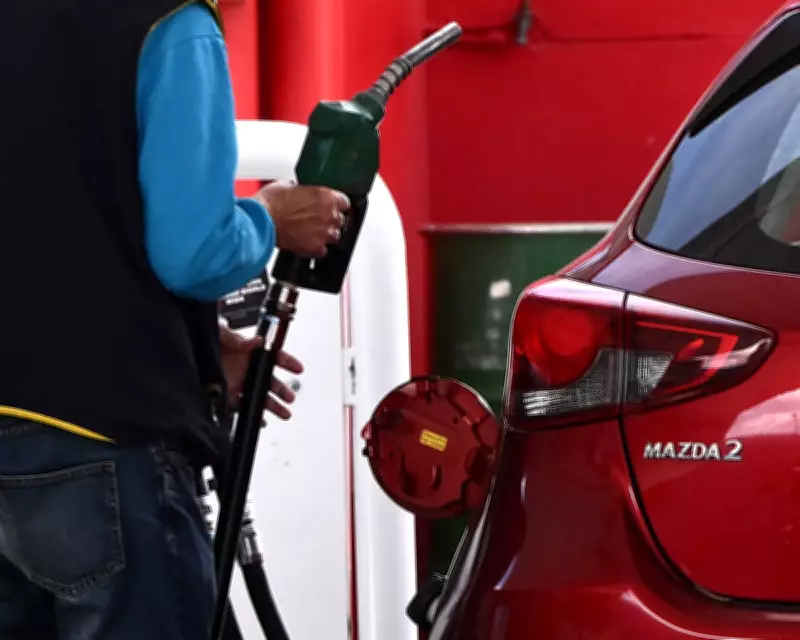
Australia has already implemented temporary relief measures, including halving the fuel excise until the end of June and suspending heavy vehicle road user charges. However, the government is monitoring international developments closely to determine whether additional assistance is warranted in the May budget package.
Treasurer Jim Chalmers echoed these concerns at a community event in Queensland, highlighting that global energy shocks and their cascading effects are central to budget preparations. "The pressures on people won't just disappear the moment the ceasefire sticks or the day the Strait of Hormuz is properly opened," Chalmers remarked. "Even after the drones stop, it will take some time to get the global economic show back on the road."
Public Awareness Campaign and Political Criticism
In response to the crisis, the government plans to launch a multimedia campaign encouraging Australians to reduce fuel consumption. Dubbed "every little bit helps," this initiative aims to provide practical guidance for managing fuel supply chain pressures. However, Shadow Defence Minister James Paterson has criticized the campaign, estimated to cost approximately $20 million, labeling it as "political propaganda" rather than an effective solution.
Focus on Renewable Energy and Electric Vehicles
Minister King outlined the government's strategy to enhance energy security through renewable fuels and electrification, contrasting this approach with proposals for increased fossil fuel use. "We cannot rely on the rest of the world for our energy security," she asserted. "We've got to be able to generate it here and actually then use it here as well."
The discussion also extends to electric vehicle (EV) policies, including debates over tax breaks for EV owners. While these incentives have improved affordability, their budgetary impact has grown significantly, prompting considerations about potential adjustments. King acknowledged the need to balance encouragement of EV adoption with fiscal responsibility, noting that her department has conducted modeling on road user charges but sees no immediate legislative pathway.
Budget Priorities and Economic Challenges
The May budget is expected to address fuel security, supply chain resilience, and broader economic reforms. Treasurer Chalmers emphasized the necessity of balancing immediate cost-of-living pressures with long-term fiscal obligations. As global events continue to strain Australia's economic outlook, the government faces the dual challenge of managing rising inflation, stagnant productivity, and persistent cost-of-living concerns while planning for sustainable energy futures.