
Silicon Valley Divided Over AI's Open-Source Future
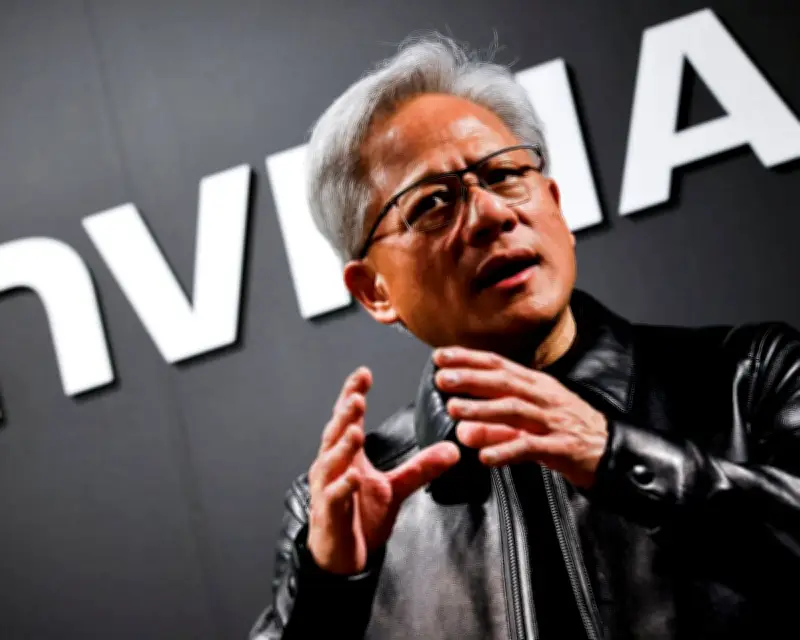
Nvidia CEO Jensen Huang, Microsoft CEO Satya Nadella, and Elon Musk have recently advocated for open-source AI, following the release of China's Kimi K3 model. Huang, in his first X post, stated: 'Open models strengthen safety and cybersecurity, accelerate innovation and diffusion, and enable sovereignty.' He linked to a Microsoft-led open letter signed by SpaceX, Nvidia, Palantir, and Andreessen Horowitz, arguing open models create opportunities for innovation.
Notably absent was Anthropic, which argues open-source AI is dangerous due to regulatory challenges. OpenAI, which signed the letter, has previously made similar arguments. Dean Ball, OpenAI's head of strategic futures, warned on X that open-source could lead to 'full AI communism' and benefit China.
Economic Incentives Fuel the Debate
Venture capital firms are concerned about rising AI costs, while chipmakers like Nvidia benefit from widespread demand. Anthropic and OpenAI have a lead in proprietary models, and cheaper open-source alternatives challenge their dominance. The release of Kimi K3, a Chinese open-source model rivaling US counterparts, has intensified the debate, rattling Silicon Valley and the White House.
The Trump administration is split: Treasury Secretary Scott Bessent accused Chinese models of stealing US intellectual property and suggested sanctions, while some officials prefer the status quo due to US reliance on cheaper models.
Social Media Companies Settle Another Lawsuit
Following a March jury loss for Meta and YouTube over youth harm, another California trial was averted. A 15-year-old Florida boy, RKC, sued YouTube, TikTok, Snap, and Meta, claiming addiction from age eight led to depression. YouTube, TikTok, and Snap settled; Meta settled without payment, calling the suit 'baseless.' RKC's lawyers said he withdrew to focus on recovery.
This is the second major trial avoided since March. A Kentucky school district suit over addictive design also settled. However, thousands of cases remain, including 42 state suits against Meta. Meta lost a $375m New Mexico case in March, and a Tennessee trial began Monday, with the state calling Meta 'an addiction machine.' A federal suit from 29 states is set for August 18 in Oakland.
EU Fines Google $1bn, a Slap on the Wrist
The European Union fined Google about $1bn for violating the Digital Markets Act by prioritizing its services. The same day, Google reported $120bn in quarterly profits, a 24% increase. The fine is a small dent compared to profits. More concerning was a 7% stock drop after Google revised capital expenditure to nearly $205bn, turning free cashflow negative. Investors worry spending may not pay off.




