
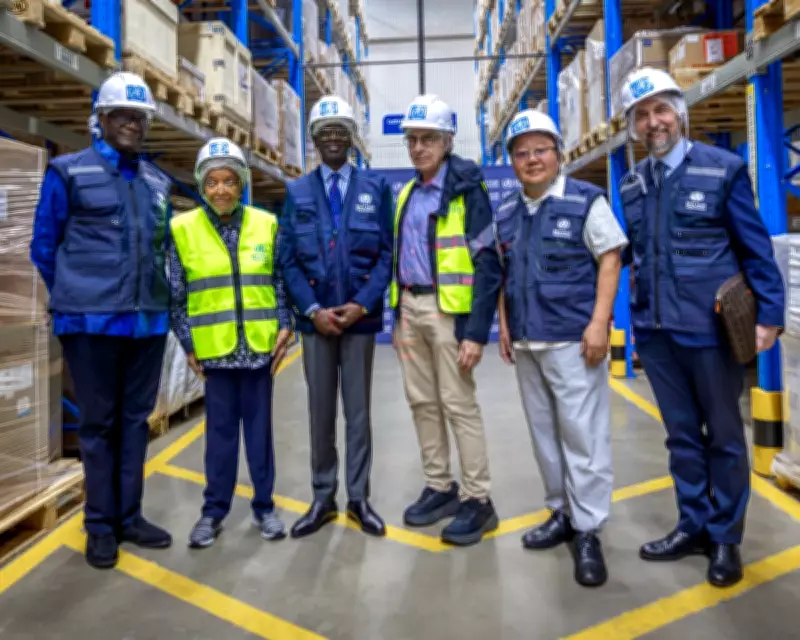
A group of former world leaders, known as the Elders, gathered at a World Health Organization (WHO) emergency hub in Nairobi last Thursday to participate in a simulation of a pandemic outbreak. The exercise aimed to assess Africa's preparedness for health emergencies and to advocate for stronger response mechanisms.
The Simulation Scenario
Participants were presented with a hypothetical scenario: health workers in eastern Chad reported deaths from respiratory failure, with initial samples suggesting a novel bird flu variant. However, Chad's government hesitated to notify the WHO due to fears of economic repercussions and stigma. The group discussed how to ensure compliance with international health regulations.
Key Discussions
Ernesto Zedillo, former president of Mexico, emphasized the need for incentives to encourage governments to report outbreaks. He cited South Africa's experience during the COVID-19 pandemic, where it faced travel bans after detecting a new variant. Zeid bin Ra'ad bin Zeid al-Hussein, former UN high commissioner for human rights, called for strengthening verification systems modeled on successful sectors. Ellen Johnson Sirleaf, former Liberian president, argued that weak healthcare systems often hinder reporting, rather than a lack of political will.
Broader Context
The simulation occurred amid a hantavirus outbreak and just before an Ebola outbreak in Uganda and the Democratic Republic of Congo, which has killed at least 139 people. Negotiators recently missed a deadline to finalize a global pandemic treaty, highlighting distrust between rich and poor countries, especially over vaccine equity.
Integrated Response Needed
Participants stressed the need for collaboration between health and climate experts. Denis Mukwege, Nobel laureate, underscored the importance of multilateralism and rapid response. Dr. Mohamed Janabi, WHO regional director for Africa, noted that Africa faced 146 emergency disease outbreaks last year, emphasizing the need for effective management.
The exercise concluded with a call for stronger international cooperation to address overlapping health and climate crises.




