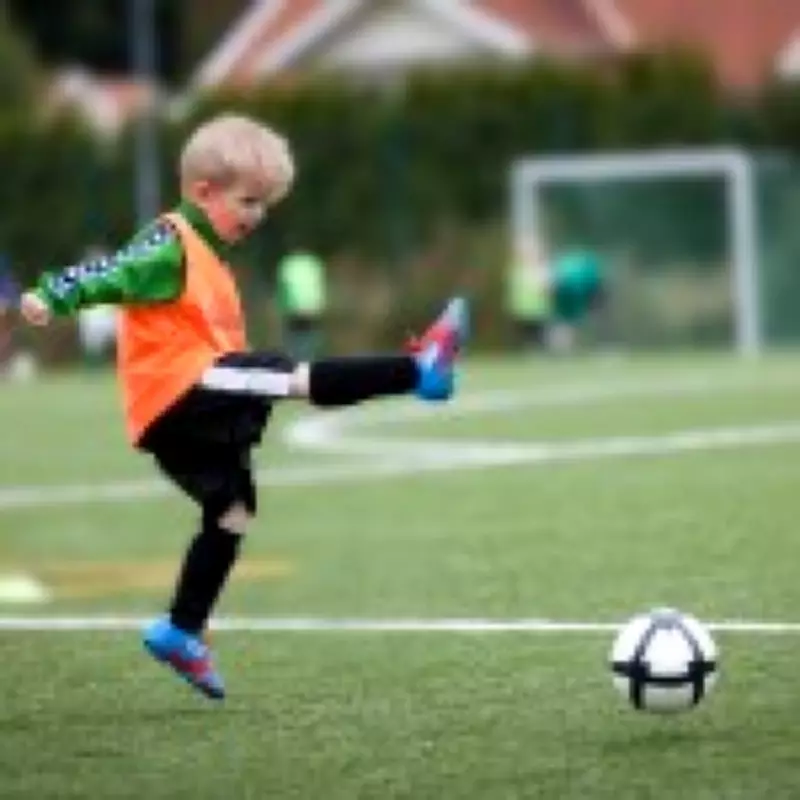
A mother of a nine-year-old boy shares her perspective on why teaching children to lose is an essential part of growing up. Her son, Leo, struggles with defeat, often crying over board games or threatening to quit cricket after a poor performance. Instead of shielding him from disappointment, she chooses honesty, believing that children must learn they won't always win.
The Viral Debate: Runner-Up Stickers
The article references commentator Michelle Dewberry's controversial comments about not wanting her five-year-old son to receive a runner-up sticker at football training. Dewberry argued that children need to learn they can be the best only through effort and resilience. The author agrees with this sentiment, emphasizing that sports teach teamwork, discipline, and how to support others' success.
Balancing Resilience and Empathy
However, the author parts ways with Dewberry when the conversation turns to mocking sensitivity or dismissing children's feelings. Teaching resilience does not mean suppressing emotions or shaming kids for being disappointed. Children need compassion alongside honesty. The healthiest adults are those who learned to process defeat without shame.

- Children should learn that effort matters more than ego.
- Coming second or last does not diminish their value.
- Parents should acknowledge feelings: 'I see you're disappointed.'
Why Losing Matters
Not everyone wins, and that is life. Real resilience comes from raising children who can lose gracefully, congratulate winners sincerely, and try again. The article concludes that teaching competitiveness over compassion risks creating adults who see kindness as weakness.