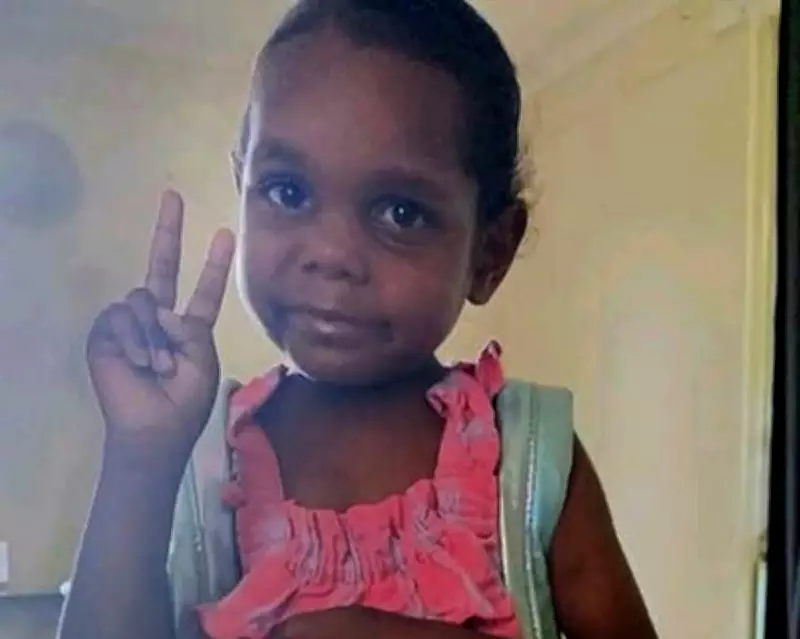
The tragic death of baby Kumanjayi in Alice Springs has sent shockwaves through Australia, exposing a deep crisis of neglect in the Northern Territory's remote Indigenous communities. The infant's passing is not an isolated incident but a symptom of systemic failures that have plagued these communities for decades.
Systemic Failures in Remote Health Services
Kumanjayi's death underscores the inadequacy of healthcare services in remote areas. Despite repeated warnings from community leaders and health professionals, access to timely medical care remains severely limited. The lack of basic infrastructure, including clean water and proper housing, exacerbates health risks for vulnerable children.
Government Inaction and Broken Promises
Successive governments have failed to deliver on promises to improve living conditions and health outcomes. The Northern Territory government's response has been criticized as reactive rather than proactive, with too little focus on prevention. The tragedy has reignited calls for a royal commission into child protection and Indigenous health.
Community Grief and Demands for Change
Local elders and families are mourning Kumanjayi while demanding accountability. They emphasize that the baby's death reflects a broader pattern of neglect, including insufficient funding for clinics, lack of cultural safety in healthcare, and inadequate support for mothers and infants. Community-led solutions, such as birthing centers and mobile health units, have been proposed but remain underfunded.
Broader Implications for Indigenous Policy
Kumanjayi's case is a stark reminder of the disparities faced by Indigenous Australians. The gap in life expectancy, infant mortality, and chronic disease rates persists despite decades of policy interventions. The federal government must prioritize closing the gap with concrete actions, not just rhetoric. This includes investing in Indigenous-controlled health services, addressing social determinants of health, and ensuring that remote communities have a voice in decision-making.
As the nation mourns, the question remains: how many more children must die before meaningful change occurs? The time for urgent, sustained action is now.