Veteran's Psilocybin Retreats Offer PTSD Relief Amid FDA Approval Debate
After three combat deployments in Afghanistan, where he sustained traumatic brain injuries from concussive blasts, former Army Ranger Jesse Gould developed severe post-traumatic stress disorder. To cope, he turned to alcohol, drinking almost every night. Traditional treatments like medication and talk therapy felt like mere maintenance rather than a path to healing. At 38, Gould refused to accept a lifetime on pharmaceuticals.
From Personal Healing to a Mission
In February 2017, inspired by a podcast about ayahuasca, Gould traveled to Peru to try the psychedelic substance. The experience profoundly shifted his mental state. The PTSD, depression, and hypervigilance that had plagued him diminished significantly. Having lost over a dozen comrades to suicide, Gould believed psychedelics could save lives. Within months, he founded the Heroic Hearts Project, a nonprofit organization hosting retreats where veterans can use ayahuasca or psilocybin mushrooms to address trauma.
State Legislative Momentum and Medical Caution
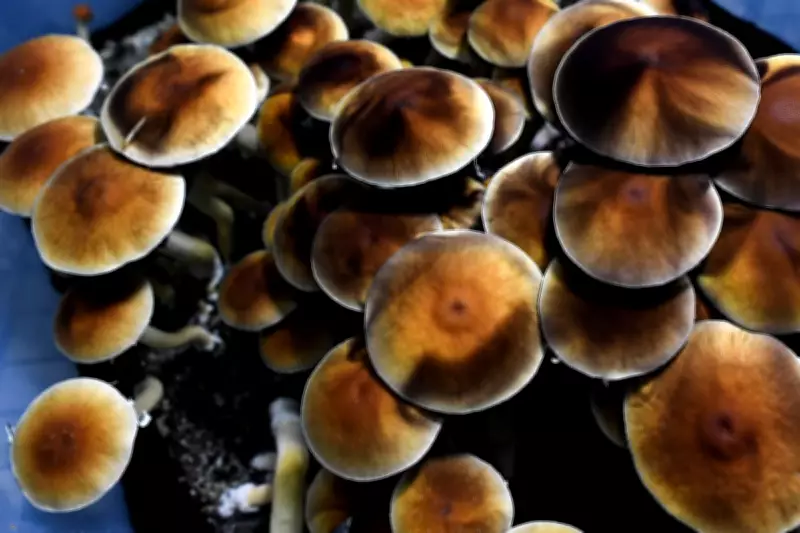
State lawmakers are increasingly recognizing the potential therapeutic benefits of psilocybin, commonly known as "magic mushrooms." Colorado, New Mexico, and Oregon have legalized it for therapeutic use, with Colorado also permitting personal use. At least eight additional states are considering similar legislation. However, researchers urge caution, noting that while psilocybin has been used safely for centuries under controlled conditions, states should ideally wait for Food and Drug Administration approval before legalization.
Joseph Zamaria, a clinical psychologist at the University of California, San Francisco, explains that psilocybin induces a "heightened state of learning" and disrupts the brain's default mode network. This disruption can help individuals detach from harmful, self-referential narratives often internalized after trauma. "If we can loosen the hold of those narratives on somebody's mind, they may be able to work through the trauma more easily," Zamaria said.
Research Findings and Legislative Efforts
A 2025 study published in the Journal of Psychopharmacology involving 22 adults with PTSD found that psilocybin, when administered with psychological support, was safe, well-tolerated, and associated with symptomatic improvement. This research supports legislative initiatives across the United States.
Andy Smith, a Democratic Minnesota state representative, co-sponsored bipartisan legislation allowing residents aged 21 and over with conditions like PTSD and depression to use psilocybin with licensed facilitators. Similar bills have been introduced in Iowa, Massachusetts, Missouri, New Hampshire, New Jersey, and New York. Smith, who witnessed friends return from the Iraq war profoundly changed, stated, "We don't have a lot of tools to help in those areas, but psychedelic medicine shows great potential."
Expert Concerns and Safety Protocols
Despite promising results, experts like Albert Garcia-Romeu, associate director of the Center for Psychedelic and Consciousness Research at Johns Hopkins University, highlight limited data on psilocybin for PTSD and potential unknown risks. "It's a pretty safe substance," Garcia-Romeu acknowledged, "but there are small subsets of people that if they take it – or if they take it at the wrong time – they can become psychotic or manic or even violent." He advocates for FDA approval to ensure standardized, authoritative guidelines.
Gould emphasizes that Heroic Hearts Project mitigates risks through a robust intake process, excluding individuals with schizophrenia, certain bipolar disorders, or personality disorders. The organization has hosted over 1,500 veterans and spouses without a single psychotic episode. "These experiences absolutely carry risk, and I don't take that lightly. That is exactly why screening, preparation and integration matter so much," Gould said, noting a waitlist exceeding 2,000 veterans.
The Urgency of Action
When questioned about waiting for federal approval, Gould points to alarming veteran suicide statistics. In 2023, the suicide rate among U.S. veterans was 35 per 100,000 people, more than double the general population's rate, according to the Centers for Disease Control and Prevention. "I don't want to repeat that cycle," Gould asserted. "So even if it's states figuring it out and it's a little bit clunky, I prefer that than just saying, 'Hey, there is no other option.'"
As states navigate the complex landscape of psychedelic therapy, veterans like Gould continue to champion alternative treatments, balancing hope with rigorous safety measures to address the mental health crisis within their community.