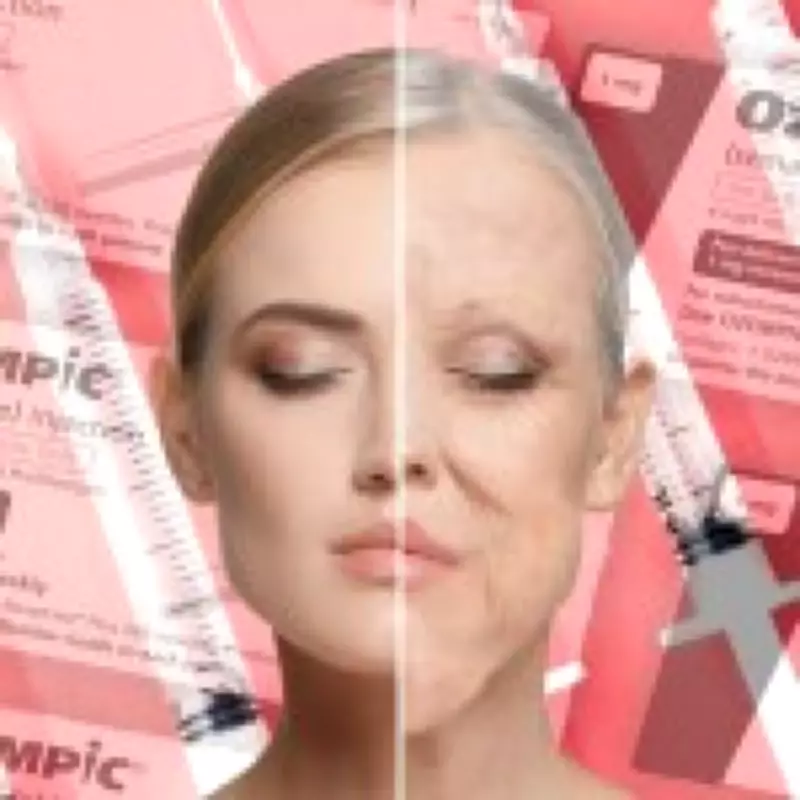
Facial Cosmetic Procedures Surge as Weight-Loss Drug Side Effects Reshape UK Aesthetic Trends
The British Association of Aesthetic Plastic Surgeons (BAAPS) has disclosed that facial enhancements represent the most rapidly increasing category of cosmetic surgeries throughout the United Kingdom during 2025. This notable shift coincides with the widespread adoption of weight-loss medications such as Ozempic, Mounjaro, and Wegovy, which are contributing to a phenomenon commonly referred to as 'Ozempic face.'
Statistical Shifts in Surgical Preferences
According to the annual audit conducted by BAAPS, brow lift procedures have experienced the most substantial growth, escalating by an impressive 27%. This is followed by eyelift surgery, which has increased by 8%, and combined face and neck lifts, rising by 11%. In stark contrast, breast augmentation, while maintaining its position as the most popular cosmetic surgery overall in the UK, has witnessed a significant decline of 8%.
Furthermore, Superficial Gluteal Lipofilling (SGL), promoted as a safer alternative to the Brazilian Butt Lift (BBL), has plummeted dramatically by 38%. BAAPS characterizes this collective movement as a departure from procedures associated with 'exaggerated curves,' aligning with evolving aesthetic preferences influenced by pharmaceutical weight management.
The Ozempic Face Phenomenon Explained
Medical experts attribute this surgical trend directly to the side effects of rapid weight loss facilitated by drugs like Ozempic. An estimated 1.6 million UK adults utilized some form of weight-loss medication between early 2024 and early 2025, with an additional 3.3 million expressing interest in commencing treatment within the following year.
Dr. Adil Sheraz, a consultant dermatologist and spokesperson for the British Skin Foundation, describes 'Ozempic face' as 'the sagging, ageing, and lacklustre appearance of the facial skin and structures.' He elaborates: 'The face possesses a layer of fat that essentially stretches the skin. Ozempic induces rapid and effective weight loss, which consequently leads to rapid depletion of subcutaneous facial fat. However, the overlying skin cannot contract at an equivalent rate, resulting in a sagging, droopy, and wrinkled appearance.'
Dr. Paul Jarrod Frank, a New York dermatologist credited with coining the term, reports observing this condition daily since these drugs entered mainstream use. He notes a predictable pattern where patients suddenly require facial fillers following significant weight loss, a change directly linked to their medication use.
It is crucial to recognize that this facial alteration is not exclusive to Ozempic but can occur with any form of rapid weight reduction. Dr. Sheraz adds that older individuals may be more susceptible due to naturally diminished collagen and elastin, which reduces the skin's adaptive capacity.
Cost Analysis of Popular Facial Procedures
The financial investment for these corrective surgeries varies considerably:
- Blepharoplasty (Eyelid Surgery): This procedure, which removes excess skin or fat from the eyelids to address drooping or bags, typically costs between £2,500 and £6,000. Lower blepharoplasty generally commands a higher price than upper eyelid lifts.
- Face and Neck Lift: Costs are highly dependent on the procedure's invasiveness. While 'mini' face lifts may start around £5,000, a comprehensive combined face and neck lift can range from £10,000 to £12,000 or more.
- Surgical Eyebrow Lift: Considered a moderately priced option, most clinics quote between £3,000 and £4,000 for this surgery.
Risks and Regulatory Concerns Surrounding Weight-Loss Drugs
The recreational or off-label use of semaglutide-based drugs like Ozempic, particularly for weight loss in individuals without type 2 diabetes, raises significant medical and safety concerns. Novo Nordisk, the manufacturer of Ozempic, emphasizes that the most common adverse events for its indicated use are gastrointestinal, including nausea, diarrhea, and vomiting, typically mild and transient.
However, using these medications without proper medical supervision is strongly discouraged. Potential risks include:
- Impaired nutrient absorption and changes to intestinal health.
- Pancreatic inflammation (pancreatitis).
- Hypoglycemia (low blood glucose), which in severe cases can lead to seizures.
Nutritionist Rhiannon Lambert warns that these products often exploit vulnerabilities and promote unrealistic body ideals, potentially encouraging disordered eating patterns. The online purchase of such drugs, especially through unregulated channels, poses additional dangers.
The Alarming Rise of Counterfeit Medications
A particularly disturbing trend is the proliferation of fake weight-loss drugs. A report from the Medicines and Healthcare products Regulatory Agency (MHRA) in January revealed that over 6,500 counterfeit products claiming to contain Ozempic were seized in the UK within a span of just over two years.
The case of Michelle Sword, 47, illustrates the severe risks. After purchasing what she believed was Ozempic from a Facebook-based supplier, she injected a pen that was later found to contain insulin. This caused her to collapse into a diabetic coma within 20 minutes. Although she eventually stabilized, the incident underscores the critical importance of obtaining medications through legitimate, verified pharmacies.
Pharmacist Ahsan Bhatti, owner of Quick Meds online pharmacy, issues a stern warning: 'Under no circumstance should you trust weight-loss pens sold on apps such as TikTok, messaging apps, or via unverified websites.'
This convergence of pharmaceutical weight management, its unintended aesthetic consequences, and the subsequent surgical correction defines a new chapter in UK cosmetic medicine, highlighting complex intersections of health, beauty standards, and consumer safety.