London Woman's Skin 'Left Like Alien' After Decades of Steroid Cream Use
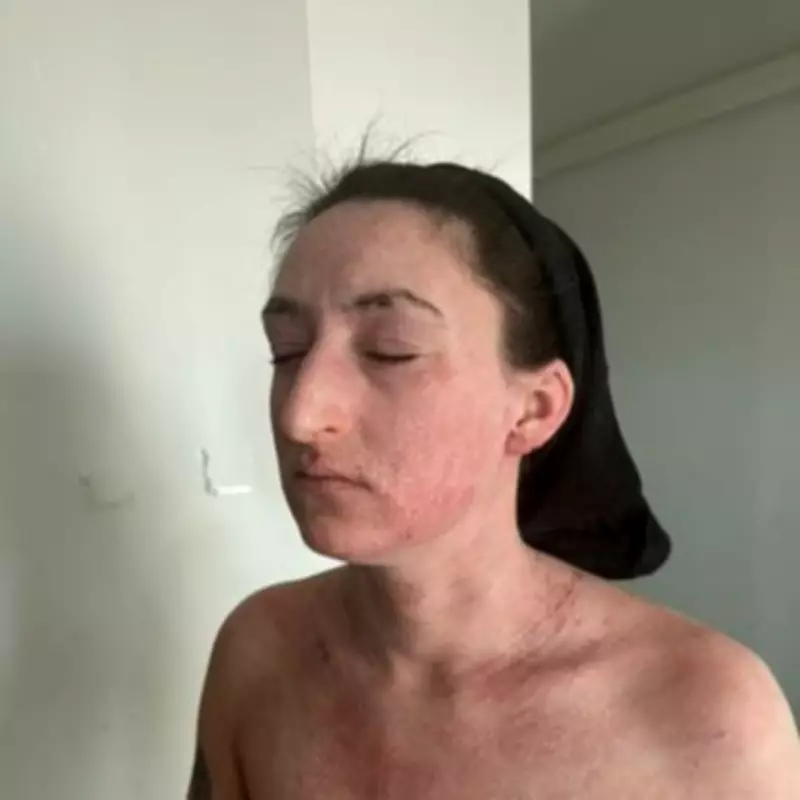
Rosemary Hook, a 29-year-old technician at the Bartlett School of Architecture, University College London, has described her skin as 'alien-looking' and endured being bedbound with 'oozing', elephant-like texture after 28 years of using steroid creams for eczema. She believes this triggered a severe case of topical steroid withdrawal (TSW), a condition she says is under-researched and not widely recognised by the NHS.
A Lifelong Struggle with Eczema and Steroid Dependency
Rosemary was first prescribed steroid creams at just three months old to treat full-body eczema. Over the years, she was given creams of increasing potency, but she reports they did not make 'much of a difference'. The medication's information leaflets advised limiting use to one week at a time, yet she used them continuously. After moving to London in 2016, her condition dramatically worsened, with her skin turning red and inflamed across her entire body, causing severe pain that left her immobile at times.
She explained, 'My skin became thickened in places, almost like an elephant skin texture, but at the same time incredibly fragile. I had deep cracks in areas, and even small movements could cause the skin to split or tear.' This led to large, constant flaking and shedding, with areas that would ooze or bleed, making basic tasks like getting dressed painful and exhausting.
The Vicious Cycle of Topical Steroid Withdrawal
Desperate for answers, Rosemary turned to social media, where she discovered others discussing TSW—an extreme withdrawal response to prolonged steroid cream use. She became convinced she was caught in a 'vicious cycle', where stopping the medication caused instant worsening of symptoms, indicating dependency. 'The rebound effects, of my skin burning and being so red, made me give in and use them again,' she said.
Over the past decade, she has seen 'countless' specialist dermatologists in London, claiming she was 'dismissed and laughed at' for raising concerns. Instead, doctors prescribed immunosuppressants, including a type of chemotherapy drug, to manage symptoms. Her hair fell out in clumps, and she struggled with anxiety and depression, isolating herself due to her appearance and mobility issues. 'I was just in complete survival mode for a very long time,' she added.
Seeking Relief Through Plasma Therapy in Thailand
In 2025, Rosemary's skin deteriorated further, becoming 'bright red and swollen'. Through social media research, she found a clinic in Thailand offering Cold Atmospheric Plasma (CAP) therapy, which uses ionised gas to promote skin healing and reduce inflammation. She began treatment in December 2025, costing £200 per weekly full-body session.
She described the therapy as 'amazing' and 'life-changing', stating, 'I can now recognise myself in the mirror. I can be fully independent again in terms of daily activities.' However, she faces up to five years of ongoing treatment, with sessions becoming less frequent over time. After two months of weekly sessions in Thailand, she plans to return to the UK for continued care at a specialist clinic.
Financial Burden and Fundraising Efforts
The treatment has been a 'financial burden', though her employer has allowed medical leave. Rosemary has set up a fundraiser with a goal of £6,000 to help fund future treatments. 'It would just take all of the worry away, if I met the target, and would mean I'd get my life back,' she said. According to the NHS website, people using topical corticosteroids long-term should consult doctors to review treatment, as stopping abruptly after more than 12 months can cause severe withdrawal reactions.
Rosemary's story highlights the challenges of managing chronic skin conditions and the potential risks of prolonged steroid use, urging greater awareness and research into TSW.