
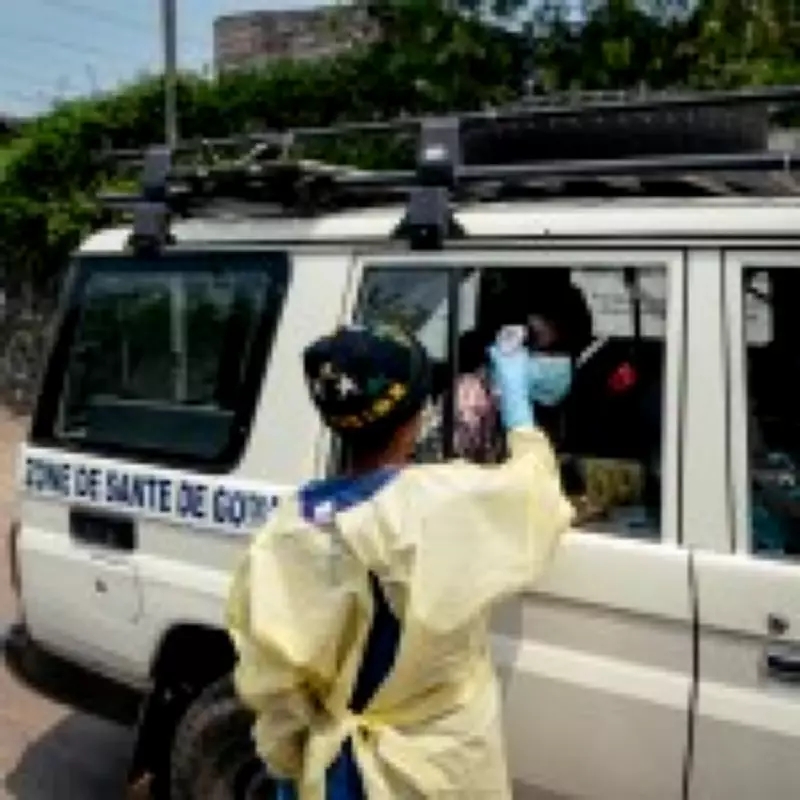
An outbreak of a rare and incurable strain of Ebola has claimed the lives of at least 130 people in Central Africa, with fears that the death toll will continue to rise. The World Health Organization (WHO) has declared the situation a public health emergency of international concern, as more than 500 suspected cases of the Bundibugyo strain have been reported across the Democratic Republic of Congo (DRC) and Uganda.
WHO Declares Emergency
Dr. Tedros Adhanom Ghebreyesus, the WHO director-general, confirmed that he declared the health emergency before convening an emergency committee for the first time. He stated, “I did not do this lightly. I am deeply concerned about the scale and speed of the epidemic.” He highlighted several factors contributing to the severity of the outbreak, including the high number of suspected cases, urban transmission, infections among healthcare workers, and significant population movement in the affected regions.
Rising Cases and Urban Spread
Beyond the confirmed cases, there are over 500 suspected cases and 130 suspected deaths. Dr. Tedros emphasized that these numbers are expected to change as field operations scale up, including enhanced surveillance, contact tracing, and laboratory testing. Cases have been reported in urban areas such as Kampala, Uganda, and Goma in the DRC, raising concerns about further spread. Additionally, deaths among health workers indicate healthcare-associated transmission.
International Response
The International Rescue Committee (IRC) launched an emergency response to the outbreak yesterday. Health officials anticipate that the number of cases will continue to rise. An American doctor in the DRC is among the newly confirmed cases. In response, the United States has banned entry for anyone who has been in the DRC, Uganda, or South Sudan within the past three weeks.
Risk Assessment and Detection Delays
According to the European Centre for Disease Prevention and Control, the likelihood of infection for people in Europe is considered very low. It is understood that the spread of the virus went undetected for weeks. Matthew M. Kavanagh, director of the Georgetown University Centre for Global Health Policy and Politics, explained, “Because early tests looked for the wrong strain of Ebola, we got false negatives and lost weeks of response time. We are playing catch-up against a very dangerous pathogen.”
Transmission and Symptoms
The Bundibugyo strain is transmitted through close contact with bodily fluids of sick or deceased patients, including sweat, blood, feces, or vomit. There is currently no vaccine or specific cure for this strain, making containment efforts critically important.




