UK drivers who opt for Chinese-made hybrid and electric vehicles (EVs) are encountering significant difficulties in obtaining insurance, according to new research. While these cars often offer lower purchase prices, insurers are hesitant to provide coverage, and when they do, premiums can be nearly double those for comparable petrol vehicles from Europe, the US, or South Korea.
Insurance Rejection Rates High for Chinese Models
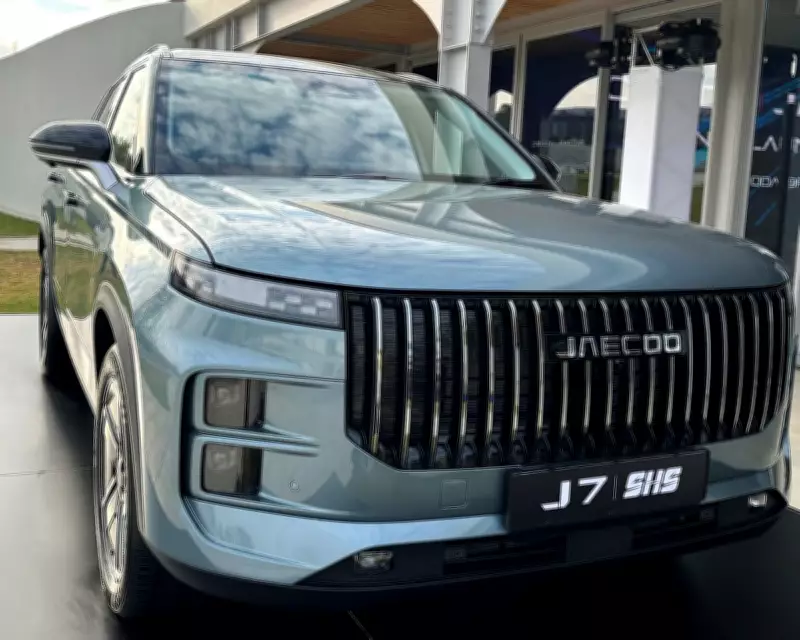
A survey by car sales site Carwow revealed that half of insurance quote requests for Chinese-brand vehicles were declined. The study examined four models: the hybrid Jaecoo 7, the XPeng G6, the BYD Seal U, and the Skywell BE11. Five insurers were approached for quotes for a 27-year-old man living in Hampshire. Axa declined to quote on all four vehicles, while Hastings Direct offered coverage only for the BYD. Direct Line turned down two models, Admiral declined one, and only Aviva provided quotes for all four.
Sky-High Premiums for Chinese EVs
When coverage is available, the cost is often exorbitant. The average annual premium for the Jaecoo 7 was £1,103, almost double the £577 for a petrol Skoda Karoq, which Carwow selected as a comparable SUV. The XPeng G6 cost an average of £936 to insure, significantly higher than the £639 for a petrol Hyundai Kona. The BYD Seal U averaged £876, compared to £730 for a petrol Kia Sportage, while the Skywell BE11 cost £685, versus £638 for a petrol Ford Kuga.

Why Insurers Are Cautious
Iain Reid, head of editorial at Carwow, explained that limited options reduce drivers' ability to shop around for competitive rates. “For some motorists, this could make some models impossible to insure at all,” he said. “Insurers are still building up repair data, parts supply chains and long-term claims histories for many of these newer models, which is making some providers cautious.”
Stephen Kennedy, an insurance expert at Defaqto, noted that EVs are typically more expensive to repair after accidents, and insurers lack sufficient data on new vehicles to accurately price policies. “It’s a bit of a chicken and egg situation. If they haven’t sold policies for these types of vehicles, they don’t have the data to be able to work out how much they should be charging,” he said.
Future Outlook and Industry Response
Despite the current challenges, Reid expects costs to decrease as more data becomes available. However, he stressed that immediate relief is limited for drivers seeking coverage now. “On paper, Chinese cars come in at an average of £901 a year to insure – about £255 more than equivalent petrol models at £646. But the bigger issue isn’t just price; it’s availability,” he added.
Chinese brands like BYD, XPeng, and Jaecoo have seen a surge in UK registrations, with sales data from the Society of Motor Manufacturers and Traders (SMMT) showing significant year-on-year growth. Industry representatives acknowledge the insurance challenges. Oliver Lowe, head of product at Omoda and Jaecoo UK, said the company is working closely with insurers to reduce costs. “Anything that’s risk-based is slow to change and adapt to new challenges very quickly. That’s completely understandable,” he said, adding that similar concerns arose when Japanese and Korean brands first entered the UK market.
Insurers like Axa, which declined all quotes in the study, cited insufficient data for new market entrants. Aviva, which offered coverage for all four models, reviews pricing as more data becomes available. Admiral said it has not increased EV premiums more than petrol car premiums and continues to provide competitive cover. The Association of British Insurers noted that limited claims history makes risk evaluation difficult.
As Chinese manufacturers become more established on British roads, insurance availability and pricing are expected to improve, mirroring the trajectory of other foreign brands in the past.