Deadly Explosion Rocks Islamabad Mosque During Friday Prayers
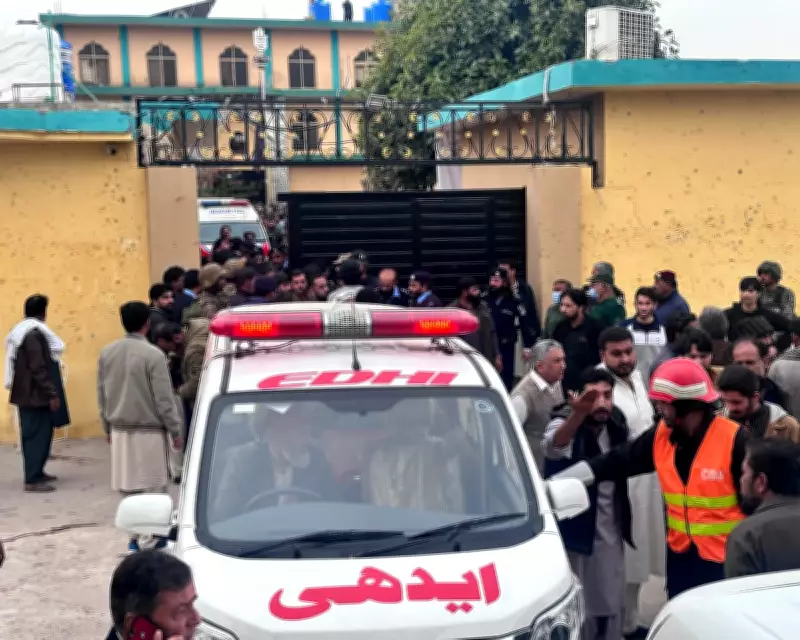
Emergency services in Pakistan's capital have transported numerous injured individuals to hospital following a catastrophic explosion at the Khadija al-Kubra mosque. The blast occurred during Friday prayers on the outskirts of Islamabad, resulting in a significant loss of life and widespread injuries.
Official Casualty Figures and Investigation
According to official statements, the bombing has claimed at least 31 lives while injuring 169 others. Police authorities are actively investigating whether this devastating attack was perpetrated by a suicide bomber. There are serious concerns that the death toll may increase further, as medical reports indicate many of the injured are in critical condition.
Television broadcasts and social media footage have shown chaotic scenes of police officers and local residents desperately carrying wounded worshippers to nearby medical facilities. The visual evidence reveals a harrowing aftermath within the mosque's carpeted prayer area.

Eyewitness Accounts of the Tragedy
Hussain Shah, who was praying in the mosque's courtyard when the explosion occurred, described the moment of impact. "I immediately thought that some big attack has happened," he recounted. Upon entering the main prayer hall, Shah witnessed approximately thirty bodies and a significantly larger number of injured people crying out for assistance.
The eyewitness testimony paints a picture of utter chaos and devastation following the sudden, loud explosion that disrupted the peaceful Friday prayers.
Political Condemnation and Security Concerns
Pakistan's President Asif Ali Zardari and Prime Minister Shehbaz Sharif have both issued separate statements strongly condemning the attack. Zardari described the targeting of innocent civilians as "a crime against humanity" while Sharif has ordered a comprehensive investigation to identify and punish those responsible.
Interior Minister Mohsin Naqvi has also denounced the violence and instructed authorities to ensure the provision of optimal medical care for all victims. The attack occurred while Uzbekistan's President Shavkat Mirziyoyev was attending an official event with Prime Minister Sharif several miles from the explosion site.
Historical Context and Security Challenges
This represents one of the deadliest attacks in Islamabad since the 2008 Marriott hotel bombing that killed 63 people. The capital has experienced relative security compared to other regions, though Pakistan has witnessed increased militant violence in recent months.
While no group has immediately claimed responsibility, suspicion is likely to fall on militant organisations such as the Pakistani Taliban or Islamic State, both of which have previously targeted Shia worshippers. The attack follows closely on recent violence in Balochistan province where approximately 50 people were killed in assaults attributed to separatist groups.
Community Response and Medical Needs
Prominent Shia leader Raja Nasir Abbas Jafri has expressed profound sorrow over the attack and raised serious questions about security failures in the federal capital. He has urgently appealed for blood donations as hospitals in Islamabad face critical supply shortages while treating the overwhelming number of casualties.
The bombing has highlighted ongoing security challenges in Pakistan and raised significant concerns about the protection of religious minorities during worship. As investigations continue, the nation mourns this tragic loss of life during what should have been a peaceful religious gathering.