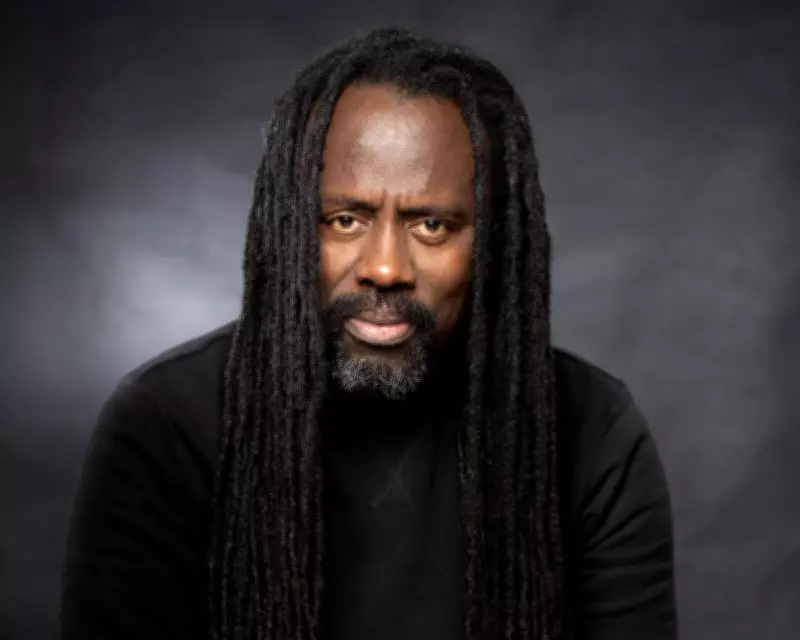
On 21 February 1986, Paul Boakye was diagnosed HIV positive at the age of 22. It was the day of his sister's 21st birthday, and the news transformed his life forever. He had gone to a clinic in Chelsea to pick up test results, knowing nothing about HIV or AIDS at the time. Instead of celebrating that night, he spent days in a darkened room, crying uncontrollably, grappling with the prospect of imminent death.
A Life Altered by Diagnosis
Initially, Boakye expected to die, as that was the common prognosis for HIV patients in the 1980s. His ex-partner Colin, from whom he contracted the virus, died in 1993. Many friends were lost to HIV and AIDS. Doctors told Boakye he would not live to see 30, yet he is now 62 years old.
The Path to Testing
Boakye only went for testing because Colin had attempted suicide. During an emergency blood transfusion, doctors discovered Colin was HIV positive. Boakye had ended their three-year relationship and moved to Birmingham University, but he dropped out after his diagnosis, questioning the point of university. Instead, he focused on work and rebuilding his life, starting a greetings card company called BetterDays with support from the Prince's Youth Business Trust and a Shell LiveWire award.
Challenging Medical Authority
In 1991, a consultant suggested Boakye participate in a trial of the antiretroviral drug Azidothymidine (AZT). He soon stopped taking the pills, overwhelmed by the chemical smell emanating from his pores. It was the first time he had questioned a doctor's authority, but he trusted his body's signals. Throughout the 1990s, regular screenings showed no symptoms of HIV, and since 1996, when viral load measurements became possible, Boakye has been 'undetectable'.
Understanding Elite Controllers
Boakye is among fewer than 0.05% of HIV-positive individuals who maintain a high CD4 count without antiretroviral therapy. These individuals are called 'elite controllers' or 'long-term non-progressors'. Research suggests elite controllers are more often female and possibly more common in African populations, but evidence is limited due to historical underrepresentation in studies.
Survivor's Guilt and Research Involvement
Despite his good health, Boakye experiences survivor's guilt, having witnessed entire communities vanish. He feels a moral obligation to contribute to science. In 2025, he contacted research teams at Imperial College London, Harvard, and the Erasmus MC HIV Eradication Group in Holland, participating in reservoir research programs like Idris and Virias. These studies analyze blood samples and immune cells to understand where HIV hides in the body and why some people control it naturally, potentially offering clues toward a cure.
Boakye reflects on his experience: 'Being undetectable and unaffected by HIV for more than four decades has often felt like running naked through a house on fire – and somehow not getting burnt. I recognise this medical miracle for what it is and I am forever thankful.'
For support, contact Samaritans in the UK and Ireland on 116 123. In the US, call or text the National Suicide Prevention Lifeline on 988, or text HOME to 741741. In Australia, Lifeline is 13 11 14. Other international helplines can be found at befrienders.org.