Flu-Like Symptoms Concealed Aggressive Blood Cancer in Young Woman
When Alana Matthews, a vibrant 26-year-old, began experiencing what seemed like a severe flu at the end of 2023, she assumed it was just another seasonal illness circulating widely. However, her inability to recover over subsequent weeks raised alarming concerns, ultimately revealing a devastating reality far beyond common infections.
Misdiagnosis and Delayed Discovery
Alana visited her general practitioner twice, where she was informed her symptoms likely stemmed from a lingering chest infection. No further tests were conducted during these appointments, leaving the true cause undetected. By February, her condition had deteriorated significantly, with symptoms including extreme fatigue and breathlessness becoming impossible to ignore.
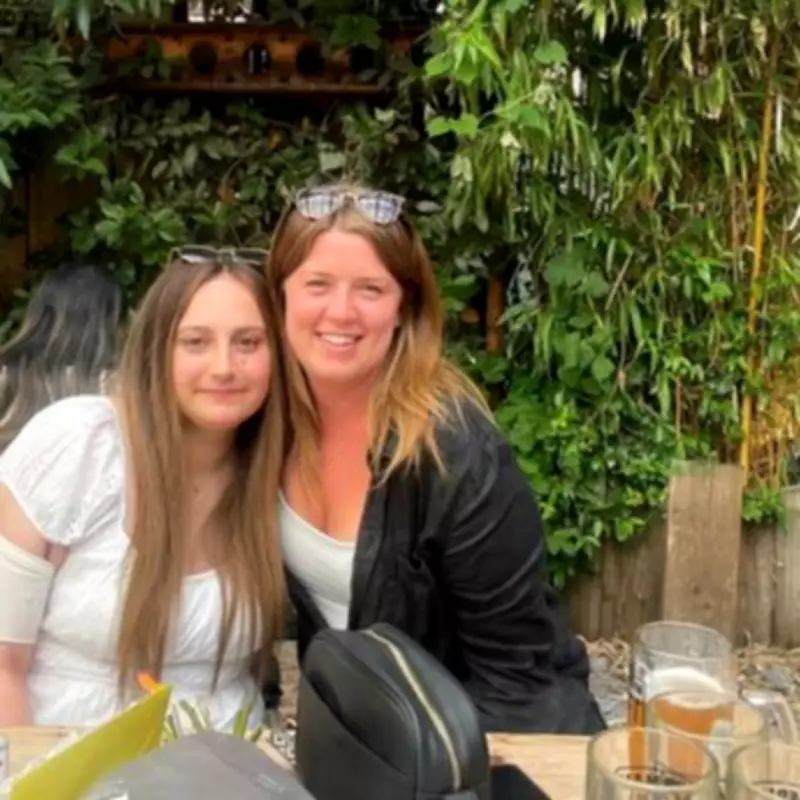
Her best friend, Katie Powell from London, recalled a telling moment: "I remember walking next to her and then realising she was about 20 metres behind me. She was so out of breath, she just couldn't keep up. We were all looking at each other thinking, 'this isn't right'."
Emergency Hospitalization and Diagnosis
The situation reached a critical point when Alana's partner, Charlie Matthews, had to call emergency services after her breathing became severely labored. Rushed to hospital, examinations finally uncovered the truth: Alana was suffering from acute myeloid leukemia (AML), an aggressive and challenging form of blood cancer.
AML represents one of the most difficult blood cancers to treat, with survival rates remaining stubbornly low despite medical advancements. Blood Cancer UK reports that only three in ten people currently survive the hardest-to-treat blood cancers, including AML.
Treatment Battles and Temporary Hope
Following her diagnosis, Alana immediately began intensive chemotherapy, spending six consecutive months in hospital. By July 2024, she had achieved remission, a period during which she remarkably completed her university degree with first-class honors. This temporary recovery offered a glimpse of normalcy and hope.
Unfortunately, weeks after this achievement, her cancer returned aggressively. Alana underwent additional treatment, including participation in clinical trials testing novel drug combinations. Initially, these experimental approaches showed promising results, but ultimately proved insufficient against the disease's progression.
Final Months and Legacy
When doctors informed Alana and her family that no further treatment options remained, she and Charlie organized their wedding ceremony in just five days. Katie described the occasion: "It was emotional, but it was also just a really beautiful day, she powered through – I think it was her perfect wedding. She just got on with it, she never complained."
Even during her final months, Alana maintained her characteristic strength and humor, supporting loved ones through their own challenges. She passed away in October 2025, surrounded by family and friends, just eighteen months after her initial symptoms appeared.
Advocacy for Awareness and Improved Care
Katie is now speaking out during AML Awareness Day to emphasize crucial lessons from Alana's experience. She urges individuals to trust their instincts when symptoms persist: "If there's one thing she would say, it's: trust your gut. She went to the GP twice and was told it was just flu – no tests were done. She knew something wasn't right."
Blood cancer remains the United Kingdom's third largest cancer killer, with more than 2,900 people diagnosed with AML annually. Jane Nunnick, Senior Clinical Trials Nurse at Blood Cancer UK, highlighted the urgent need for progress: "Alana's story demonstrates that progress has been far too slow for some people with blood cancer. While survival has improved for many, the outlook for aggressive diseases like acute myeloid leukemia remains poor."
The charity stresses that clinical trials are essential for providing access to cutting-edge treatments, calling for increased investment in research and development. Since 1960, Blood Cancer UK has invested £500 million into blood cancer research, currently supporting 100 projects totaling £31.7 million.
Continuing the Fight
In tribute to Alana, Katie has raised thousands of pounds for Blood Cancer UK through challenging physical endeavors, including an 85-mile walk from London to Brighton and a half marathon. She explained her motivation: "I needed to do something that pushed me mentally and physically. She went through so much – I felt like I could push myself too. If her story can help even one person – whether that's spotting symptoms earlier, pushing for answers, or just feeling less alone – that's what she would have wanted."
This tragic case underscores the critical importance of early detection, thorough medical investigation of persistent symptoms, and accelerated development of effective treatments for aggressive blood cancers.