In an age dominated by digital distractions and relentless productivity, the simple act of moulding clay with one's hands offers a profound antidote. Joining a pottery class is not merely about learning to throw a pot; it is a journey into mindfulness, creativity, and community. This article explores the unexpected benefits of ceramics lessons, drawing on personal experience and expert insights.
The Therapeutic Benefits of Clay
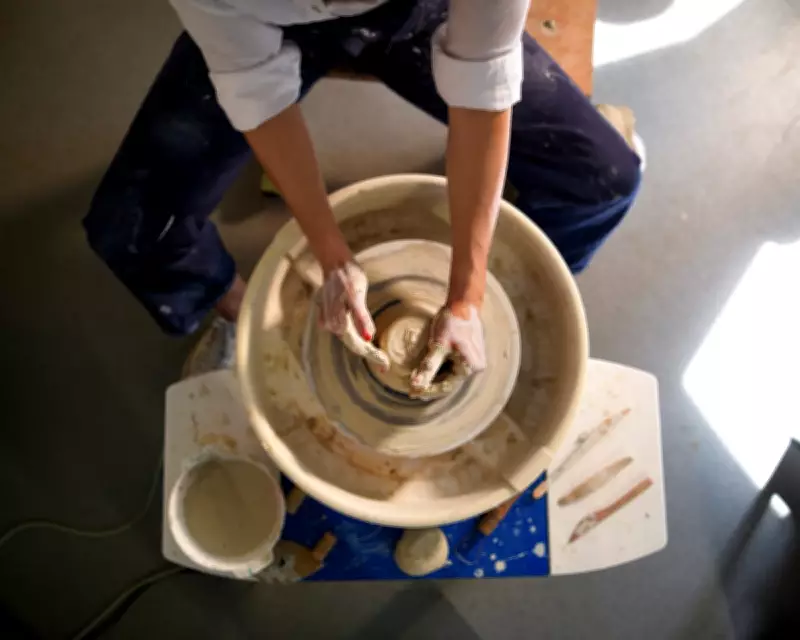
Working with clay engages both the mind and body in a unique way. The tactile sensation of wet clay spinning between your palms forces you to be present, leaving no room for ruminating over past regrets or future anxieties. Psychologists have long recognised the therapeutic value of such activities, often recommending them for stress reduction and emotional regulation. The repetitive motions involved in centering and shaping clay can induce a meditative state, lowering cortisol levels and promoting relaxation.
Creativity Without Pressure
Unlike many creative pursuits that demand a specific outcome, pottery is inherently forgiving. A lopsided bowl or a collapsed vase is not a failure but a step in the learning process. This freedom from perfectionism is liberating. Many beginners report feeling a renewed sense of playfulness, something often lost in adulthood. The process encourages experimentation with glazes and forms, allowing for self-expression without the fear of judgment.

Building Community and Connection
Pottery studios are unique social spaces. They bring together people from all walks of life, united by a shared curiosity. Conversations around the communal table are often spontaneous and genuine, focused on techniques or the joy of a successful glaze. This sense of belonging is crucial for mental health, especially in urban environments where loneliness is rampant. Many studios also host exhibitions and social events, further deepening these connections.
A Break from Digital Overload
In a world where screens dominate our attention, pottery offers a much-needed digital detox. The wet clay cannot be paused, rewound, or optimised. It demands full attention. This forced disconnection from emails and social media can be incredibly restorative. Participants often describe a feeling of time slowing down, allowing them to recharge mentally and creatively.
Practical Considerations for Beginners
If you are considering taking up pottery, here are a few tips to get started. Look for a local studio that offers beginner-friendly classes. Most provide all materials and tools, so no upfront investment is needed. Wear comfortable clothes that you don't mind getting dirty, and be prepared for a few messy sessions. The key is to approach each class with an open mind and a willingness to learn from mistakes. Over time, you will develop not only new skills but also a deeper appreciation for the art of ceramics.
Ultimately, pottery is more than a hobby; it is a practice of patience, presence, and creativity. Whether you are seeking stress relief, a new social circle, or simply a break from routine, a pottery class might be the transformative experience you need.