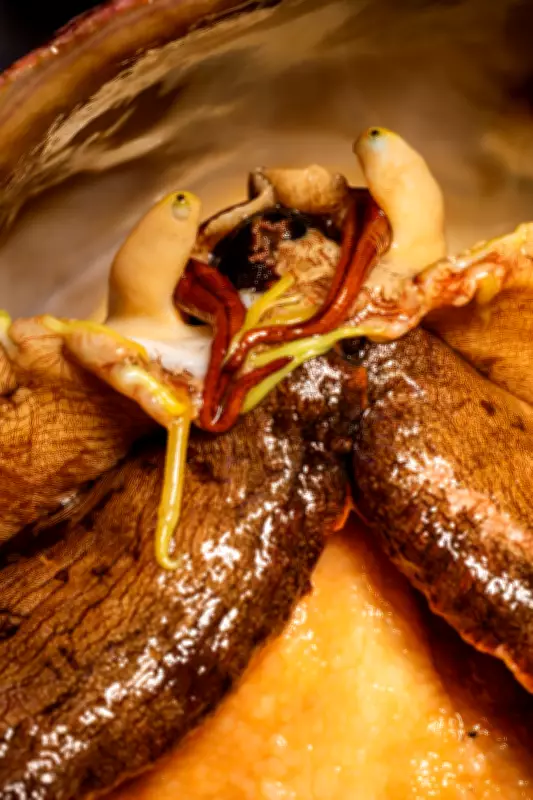
In a significant conservation effort, California has launched an intensive breeding program aimed at rescuing the critically endangered white abalone from the brink of extinction. This initiative, spearheaded by marine biologists and environmental agencies, utilizes state-of-the-art aquaculture techniques to breed and rear these marine mollusks in controlled environments before reintroducing them into their natural habitats along the Pacific coast.
Background on the White Abalone Crisis
The white abalone, once abundant in the coastal waters of California and Baja California, has seen its population plummet by over 99% since the 1970s due to overfishing, habitat degradation, and disease. Listed as endangered under the U.S. Endangered Species Act in 2001, this species faces severe threats that have pushed it to critically low numbers, with estimates suggesting only a few thousand individuals remain in the wild. The decline has disrupted marine ecosystems, as abalones play a crucial role in maintaining kelp forest health by grazing on algae.
Key Components of the Breeding Program
The breeding program involves multiple phases designed to ensure genetic diversity and long-term survival. Scientists collect adult abalones from the wild and breed them in specialized facilities, where conditions mimic natural ocean environments. Larvae are carefully nurtured through early life stages, with a focus on minimizing mortality rates. Once juveniles reach a viable size, they are tagged and monitored before being released into protected marine areas. The program also includes habitat restoration projects, such as improving water quality and reducing pollution, to support reintroduced populations.
Challenges and Innovations
Breeding white abalone presents unique challenges, including slow growth rates, susceptibility to diseases, and the need for precise water conditions. To address these, researchers have developed innovative methods like selective breeding to enhance disease resistance and using advanced filtration systems to maintain optimal water quality. Collaboration with universities and non-profit organizations has accelerated progress, with recent successes showing increased survival rates in captive-bred abalones. Monitoring efforts use underwater cameras and tracking devices to assess the health and behavior of released individuals, providing valuable data for future conservation strategies.
Impact on Marine Biodiversity
The revival of white abalone populations is expected to have positive ripple effects on marine biodiversity. As herbivores, abalones help control algal growth, which can otherwise overwhelm kelp forests and reduce habitat for other species like fish and invertebrates. Successful reintroduction could restore ecological balance, supporting fisheries and promoting tourism in coastal communities. The program also raises public awareness about marine conservation, encouraging sustainable practices and policy changes to protect endangered species.
Future Prospects and Goals
Looking ahead, the breeding program aims to release thousands of juvenile abalones annually, with a long-term goal of establishing self-sustaining populations in the wild. Scientists are exploring genetic research to further improve breeding outcomes and resilience to climate change impacts, such as ocean acidification and warming temperatures. Continued funding and public support are crucial for scaling up efforts and ensuring the white abalone's recovery. This initiative serves as a model for other endangered species conservation projects, highlighting the importance of science-based interventions in preserving biodiversity.