Which organisms are most beneficial to humans without us realising? This is the question posed in our long-running series where readers answer other readers' queries, ranging from trivial flights of fancy to profound scientific and philosophical concepts. This week's replies delve into the hidden world of tiny creatures that make a big difference in our daily lives.
The Miracle of Parasitic Wasps
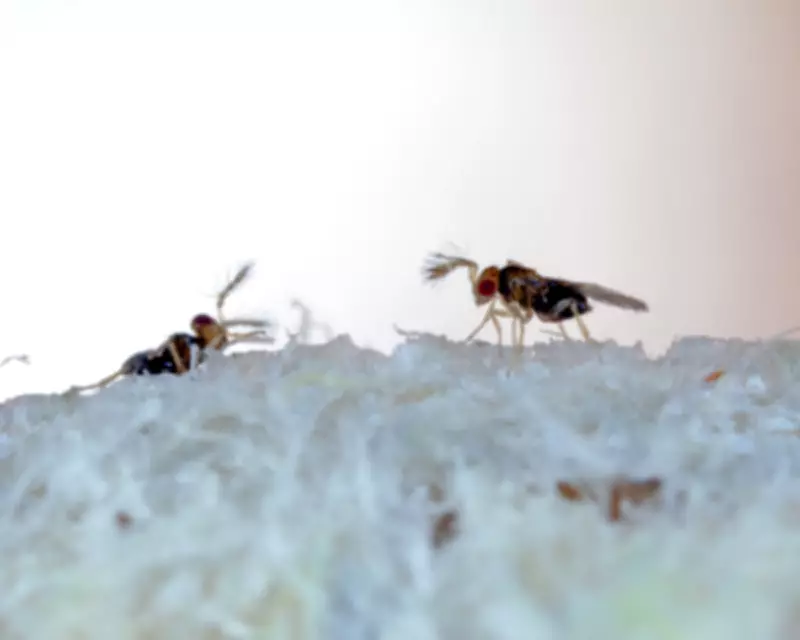
John Forward from Brixton recently experienced a plague of clothes moths. After hours of research, he discovered the miracle that is the parasitic wasp, or Trichogramma evanescens. These near-microscopic beasts can be ordered online in sachets containing 2,000 wasps. Their life's calling is to destroy clothes moth eggs, providing a natural and effective solution to a common household pest. The wasps are so tiny that they are barely visible to the naked eye, yet they play a crucial role in controlling moth populations without the need for harsh chemicals.
Other Unsung Heroes in Our Lives
This discovery led John to wonder: what else in our daily lives is so beneficial to us, yet few of us have heard of or realise is there? The answer is vast. From the bacteria in our gut that aid digestion to the fungi that decompose waste and enrich soil, countless organisms work tirelessly behind the scenes. For instance, mycorrhizal fungi form symbiotic relationships with plant roots, helping them absorb water and nutrients. Similarly, earthworms aerate the soil and recycle organic matter, making them essential for healthy gardens and agriculture.

Even in our homes, beneficial organisms abound. Dust mites, though often seen as pests, actually help break down dead skin cells. Meanwhile, certain species of spiders and beetles prey on household insects like flies and ants. In the broader environment, bees and other pollinators are critical for the reproduction of many plants, including crops that provide a significant portion of our food.
How to Appreciate and Protect These Helpers
Awareness is the first step. By learning about these organisms, we can take steps to protect them. For example, reducing pesticide use, planting native gardens, and supporting organic farming can help maintain biodiversity. Simple actions like composting and reducing waste also support the microorganisms that break down organic matter.
Readers are invited to share their own answers and new questions by posting below or sending them to nq@theguardian.com. A selection will be published next Sunday. This ongoing dialogue highlights the remarkable and often invisible ways nature supports us.