
Argentina is experiencing a significant rise in hantavirus cases, with health experts pointing to climate change as a key factor. The country has recorded 101 cases since June of the previous year, marking a 10 percent increase compared to 59 cases in the same period the year before, according to CNN.
Outbreak on the MV Hondius
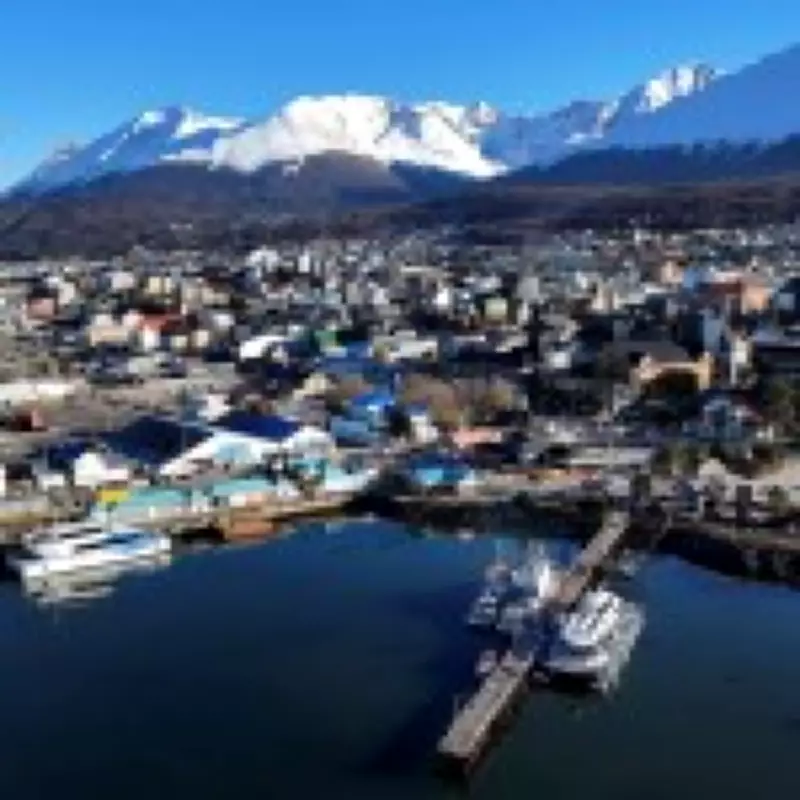
The MV Hondius cruise ship, which departed from Ushuaia in southern Argentina on April 1, has been at the center of a hantavirus outbreak. Health officials met the ship in Granadilla, Tenerife, where British passengers were flown home on a dedicated repatriation flight. While the source of the outbreak remains unknown, the ship's origin in Argentina may offer clues.
Climate Change and Habitat Destruction
Experts now believe that climate change has contributed to the rise in hantavirus cases in Argentina. Habitat destruction has led to increased human exposure to the urine and feces of infected rodents, which transmit the virus. Argentina's Ministry of Health stated: 'Increasing human interaction with wild environments, habitat destruction, the establishment of small urbanisations in rural areas, and the effects of climate change contribute to the appearance of cases outside historically endemic areas.'
Temperature changes are also affecting the spread of the disease. Ecosystem changes impact the long-tailed mouse, the primary carrier of the virus in Argentina and Chile. Rodents are more adaptable to climate change, which may explain the higher case numbers.
Geographic Distribution
Hantavirus is typically concentrated in four geographical areas of Argentina, including provinces in the northeast, northwest, and south. However, this year the capital region of Buenos Aires has become the epicenter, with 42 cases recorded. Ushuaia, the departure point of the MV Hondius, has not reported cases.
Comparison to COVID-19
The outbreak on the cruise ship has drawn comparisons to the COVID-19 pandemic. Both viruses are thought to originate from animals, with climate change and human encroachment on natural habitats cited as possible causes. However, epidemiologists do not believe hantavirus will become the next pandemic. Dr. Tedros Adhanom Ghebreyesus stated that the risk to the public remains 'low.' Unlike COVID-19, hantavirus rarely spreads between humans, usually requiring prolonged contact with an infected person.
Dr. Charlotte Hammer, an assistant professor at Cambridge University, noted that the conditions on the MV Hondius, where passengers mixed in tight spaces, were not representative of everyday life. 'In terms of the transmission potential, it is incredibly different from Covid,' she said.
Notable Cases
Dutch couple Mirjam Schilperoord, 69, and her husband both died of hantavirus after boarding the MV Hondius. They are believed to have visited at least two affected areas, Misiones and Neuquén, during a tour of South America.
Health officials continue to monitor the situation, emphasizing that while the outbreak is concerning, the overall risk to the public remains minimal.



