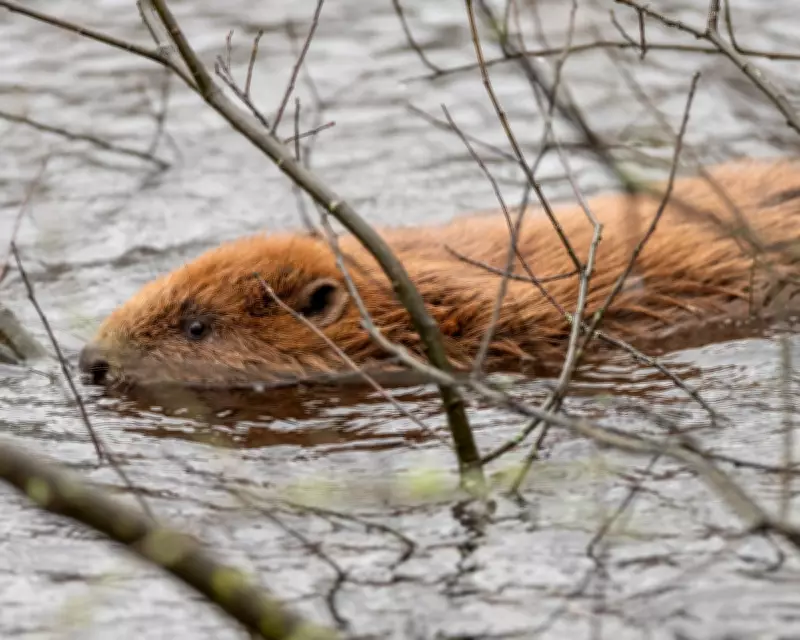
The Reform UK-led Leicestershire county council has approved the release of wild beavers into the countryside as part of efforts to reduce flooding, despite the party's broader opposition to rewilding. This decision marks a significant local policy move that contrasts with national party stances.
Background on Beaver Reintroduction
The Labour government announced last year a change in the law to allow beavers to be licensed for release into the wild in England. This came about 400 years after the animals were hunted to extinction in the country for their fur and a valuable oil they produce. Environmental campaigners praise beavers for the habitats they create by damming rivers, which can reduce flooding during heavy rain and store water during dry periods. They also improve water quality and boost populations of bats, fish, birds, amphibians, and invertebrates.
Local Support and Tourism Potential
Reform councillor Adam Tilbury, the council's cabinet member for environment and flooding, told the BBC: “We all know Leicestershire is very badly affected by flooding, and beavers are great natural engineers who could be one part of the solution.” He noted that two potential sites for beaver releases had been identified and that the rodents could also boost tourism in the area.

Another Reform councillor in Leicestershire, Joseph Boam, celebrated the news on social media, posting: “Reform UK-led Leicestershire is bringing BEAVERS BACK. Making Britain great again, one beaver at a time. Natural flood defence. Restored habitats. Real solutions.”
Internal Party Divisions
The decision has highlighted a row within Reform over rewilding, including the reintroduction of locally extinct species like beavers. Nature campaigner and Conservative Environment Network co-founder Ben Goldsmith was approached by Reform UK leader Nigel Farage to help write the party's nature policy. However, Reform's business spokesperson, Richard Tice, rejected working with Goldsmith, whose ideas about releasing wild animals and returning farmland to nature have angered farmers.
Farage said he was talking to Goldsmith and “interested in his ideas,” but the party has rejected large-scale rewilding proposals, stating such policies “are not aligned with its principles or objectives.” Goldsmith has released beavers on his Somerset estate and is a vocal advocate for their reintroduction in the UK.
Reactions from Campaigners
Commenting on the Reform council's decision, Goldsmith told the Guardian: “Nature is at the root of everything. Protecting it must be a non-partisan goal, even if there may be debates on how to deliver nature recovery. If Reform going pro-beaver is an indication that the party will be bringing out an ambitious set of nature restoration policies, that will be tremendous news – not least because it raises the bar for the other parties as well.”
Farage recently criticized plans to replace figures on British banknotes, such as Winston Churchill, with wildlife, claiming the Bank of England intended to “replace people like him with a picture of a beaver” and calling the move “absolutely crackers.”
Polling and Public Opinion
Polling indicates that centre-right voters who might consider voting for Reform are put off by the party's antipathy towards environmental policies. Reform's policy chief, James Orr, has been showing polling to top figures on the right that suggests more than 80% of Reform voters care deeply about nature, and that Tories who are more reluctant to vote for Farage's party care the most about the issue.
Reform has been contacted for comment on the council's decision and the internal divisions.