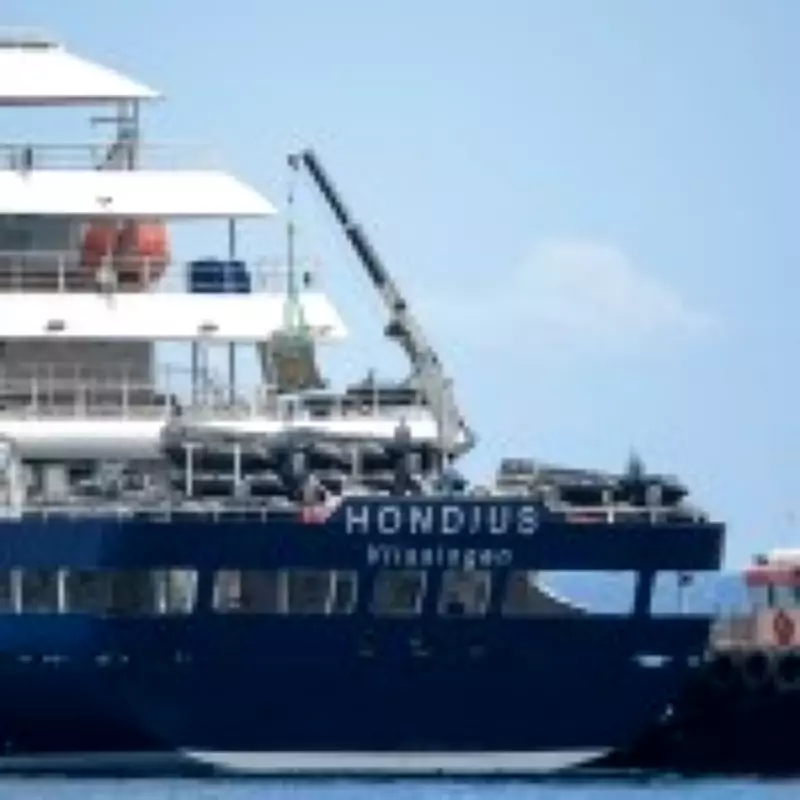
Within just weeks of one another, two cruise ships were anchored after viral outbreaks tore through their decks. The first, MV Hondius, has seen at least three people die of hantavirus in the six weeks since it began a tour of the remote islands in the Atlantic. Meanwhile, 49 people showed symptoms of the highly infectious norovirus on board the Ambassador Cruise Line’s Ambition vessel from the British Isles to Spain, while one passenger died. Social media users have questioned why those on the Hondius – including those sickened with the virus – have been flown home, while the Ambition was briefly isolated in Bordeaux.
What Happened on the Ambition?
Guests on the Ambition were asked to stay on board for around nine hours in Bordeaux, a scheduled stop on the 14-day voyage, while enhanced sanitation and inspection of samples by health officials confirmed viral gastroenteritis. The ship was given an all-clear by the French authorities, and people were allowed to disembark and go on excursions before the ship prepared to take off en route to Spain.
Why Were the Two Outbreaks Treated Differently?
Dr Katherine O’Reilly, medical director at the security and medical services company International SOS, has a few ideas as to why. ‘In the cluster of hantavirus infections on board the ship, the diagnosis was confirmed after some passengers had disembarked,’ she tells Metro. ‘Authorities made the decision to disembark passengers from MV Hondius based on a number of factors, implementing public health measures, including monitoring and isolation of passengers post disembarkation.’ Dr O’Reilly says that a simple reason why the hantavirus cruise wasn’t put under lockdown was the nature of hantavirus itself.

Hantavirus vs Norovirus: Key Differences
The hantavirus is a rare family of viruses carried by rodents that, after it burrows deep in a person’s lungs, can cause flu-like symptoms, respiratory problems and a death rate for some strains of 50%. People are sickened by inhaling particles from dried mouse droppings. Yet the virus struggles to make the jump from person to person. Even the most successful hantavirus strain at human-to-human transmission, the Andes, which is at the centre of the outbreak, still only does so rarely. ‘As a result, some passengers disembarked before the situation was fully understood,’ Dr O’Reilly says.
Norovirus, meanwhile, is fairly common and causes gastrointestinal symptoms, such as diarrhoea and vomiting. It can, however, rapidly spread among people. Hantaviruses are also not typically associated with cruise ships, which can be incubators for illnesses like the norovirus. Another key factor was the virus’s incubation period, which is how long it takes someone to develop symptoms after exposure. ‘Norovirus is highly contagious with a short incubation of 12 to 48 hours; it spreads rapidly,’ Dr O’Reilly says. ‘Whereas hantavirus has a long incubation period (up to 8 weeks) and is not associated with rapid widespread transmission.’
Public Health Measures and Human Dignity
But it’s not just their incubation periods that are different – the hantavirus and norovirus are in different leagues to one another. Tedros Adhanom Ghebreyesus, director general of the World Health Organization, revealed on Wednesday why officials did not quarantine the MV Hondius. ‘Some of the passengers were facing mental breakdown,’ he said. ‘They have the right to be treated with dignity and compassion. There were some people around the world calling for the passengers to be contained on the ship for the full quarantine period. Our view was that it would have been inhumane and unnecessary.’
Still, if you ask Dr O’Reilly, as much as the hantavirus outbreak is ‘unprecedented’, most people don’t have too much to worry about. ‘At present, the overall risk to the general public remains low,’ she says. ‘But there are still many unknowns, and the situation warrants close monitoring.’